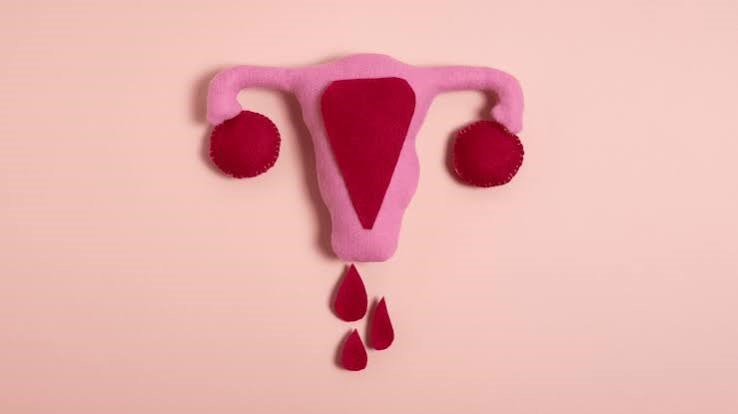
Many women experience changes in their menstrual flow from time to time, but consistently heavy periods are not something that should be ignored. Heavy menstrual bleeding can interfere with daily activities, affect quality of life, and lead to iron-deficiency anaemia if left untreated. In some cases, it may also be a sign of an underlying medical condition.
Health experts advise women to seek medical evaluation if their periods are unusually heavy, prolonged, or accompanied by severe pain.
What Is Heavy Menstrual Bleeding?
Heavy menstrual bleeding, medically known as menorrhagia, refers to menstrual periods that are unusually heavy or last longer than normal.
While menstrual flow varies from woman to woman, heavy bleeding is generally considered excessive when it disrupts normal daily life or results in significant blood loss.
What Causes Heavy Menstrual Bleeding?
Heavy periods can have many causes, including:
- Uterine fibroids.
- Endometriosis.
- Adenomyosis.
- Hormonal imbalances.
- Polycystic Ovary Syndrome (PCOS).
- Thyroid disorders.
- Bleeding disorders.
- Certain medications, including blood thinners.
- Pregnancy-related complications in some cases.
- Rarely, cancers of the uterus or cervix.
Sometimes, no clear cause is identified.
Signs That Your Period May Be Too Heavy
You should speak with a healthcare professional if you:
- Soak through a sanitary pad or tampon every hour for several hours.
- Need to use two sanitary products at the same time.
- Wake up at night to change sanitary protection.
- Pass large blood clots regularly.
- Bleed for more than seven days.
- Feel tired, weak, or short of breath during your period.
- Miss work, school, or social activities because of heavy bleeding.
These symptoms may indicate excessive menstrual blood loss.
Possible Complications
If left untreated, heavy menstrual bleeding can lead to:
- Iron-deficiency anaemia.
- Extreme fatigue.
- Dizziness.
- Reduced quality of life.
- Fertility problems in some cases, depending on the underlying cause.
Early diagnosis can help prevent these complications.
How Is Heavy Menstrual Bleeding Diagnosed?
Your healthcare provider may recommend:
- A review of your menstrual history and symptoms.
- A physical and pelvic examination.
- Blood tests to check for anaemia and hormone levels.
- Pregnancy testing when appropriate.
- Pelvic ultrasound.
- Additional procedures such as hysteroscopy or endometrial biopsy if needed.
These tests help identify the underlying cause.
Treatment Options
Treatment depends on the cause, severity of bleeding, age, and future pregnancy plans.
Medications
Your doctor may prescribe medicines to:
- Reduce menstrual bleeding.
- Relieve pain.
- Regulate hormone levels.
- Treat underlying hormonal conditions.
Hormonal Treatments
Hormonal contraceptives or hormone-releasing intrauterine devices (IUDs) can significantly reduce menstrual bleeding for many women.
Surgery
If medications are not effective, surgical options such as fibroid removal, endometrial procedures, or hysterectomy may be considered in selected cases.
Can Heavy Menstrual Bleeding Be Prevented?
Not all causes can be prevented.
However, regular gynaecological check-ups and early treatment of conditions such as fibroids or hormonal disorders may reduce the risk of complications.
When Should You Seek Immediate Medical Care?
Seek urgent medical attention if you:
- Experience extremely heavy bleeding that causes dizziness or fainting.
- Soak through multiple pads every hour for several hours.
- Develop severe pelvic pain with heavy bleeding.
- Have heavy bleeding during pregnancy.
- Feel weak, confused, or short of breath.
These symptoms may require emergency treatment.
The Bottom Line
Heavy menstrual bleeding is more than just an inconvenience—it can affect your health, daily activities, and overall well-being. While many cases are caused by treatable conditions such as fibroids or hormonal imbalances, persistent heavy periods should always be evaluated by a healthcare professional. Early diagnosis and appropriate treatment can prevent complications and improve quality of life.
Disclaimer: This article is for informational purposes only and should not replace professional medical advice. Women experiencing unusually heavy or prolonged menstrual bleeding should consult a qualified healthcare professional or gynaecologist for proper evaluation and personalised treatment.