


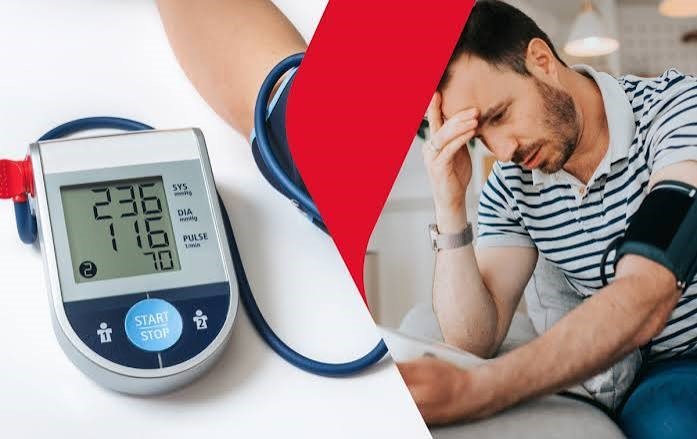
High blood pressure, also known as hypertension, remains one of the leading causes of heart disease, stroke and kidney failure worldwide. Often referred to as the “silent condition,” hypertension can develop without noticeable symptoms, leaving many people unaware they are living with the disease until serious complications occur.
Health experts continue to encourage regular blood pressure checks, healthy lifestyle choices and early treatment to reduce the growing burden of hypertension.
What Is High Blood Pressure?
Blood pressure is the force of blood pushing against the walls of the arteries as the heart pumps. When this pressure remains consistently higher than normal, it can damage blood vessels and increase the risk of life-threatening conditions.
Factors that contribute to high blood pressure include unhealthy diets, excessive salt intake, physical inactivity, obesity, smoking, excessive alcohol consumption, chronic stress and family history.

Why Hypertension Is Called a Silent Condition
One of the greatest dangers of hypertension is that it often develops without obvious warning signs. Many people feel healthy while their blood pressure gradually damages vital organs such as the heart, brain and kidneys.
In some cases, individuals may experience headaches, dizziness, blurred vision or shortness of breath, but these symptoms usually appear when the condition has become severe or complications have already developed.
Health Risks Associated With High Blood Pressure
If left untreated, hypertension can lead to several serious health problems, including:
- Heart attack
- Stroke
- Heart failure
- Kidney disease
- Vision loss
- Damage to blood vessels
- Cognitive decline and memory problems
Medical professionals warn that early detection is one of the most effective ways to prevent these complications.
Prevention Through Healthy Living
Doctors recommend several lifestyle measures to help prevent or manage hypertension. These include eating a balanced diet rich in fruits, vegetables, whole grains and lean proteins while reducing salt, saturated fats and processed foods.
Regular physical activity, maintaining a healthy body weight and getting adequate sleep also play important roles in keeping blood pressure under control.
Health experts further advise avoiding tobacco products, limiting alcohol consumption and learning healthy ways to manage stress through relaxation techniques, exercise or counselling where necessary.
The Importance of Regular Screening
Routine blood pressure checks are essential because hypertension often has no symptoms. Adults are encouraged to have their blood pressure measured regularly, especially those with a family history of hypertension, diabetes or heart disease.
Early diagnosis allows healthcare providers to recommend lifestyle changes or prescribe medication when necessary to reduce the risk of complications.
Treatment and Long-Term Management
For many people, controlling blood pressure requires a combination of healthy lifestyle habits and prescribed medication. Patients are advised to take medications exactly as directed and avoid stopping treatment without consulting a healthcare professional, even if they begin to feel better.
Regular follow-up appointments also help ensure treatment remains effective and allows doctors to adjust medications if needed.
Public Health Importance
Health authorities continue to emphasise the need for greater awareness campaigns, routine screening programmes and improved access to quality healthcare services. Increasing public understanding of hypertension can encourage early detection and reduce preventable deaths caused by cardiovascular disease.
Conclusion
High blood pressure remains a major public health concern, but it is largely preventable and manageable with early diagnosis and healthy lifestyle choices. Regular blood pressure monitoring, balanced nutrition, physical activity and adherence to medical advice can significantly reduce the risk of serious complications. As awareness grows, individuals are encouraged to take proactive steps to protect their heart health and improve their overall well-being.




