


High blood pressure, medically known as hypertension, is increasingly becoming a major public health concern among young people, challenging the long-held belief that the condition primarily affects older adults. Health experts are raising concerns over the growing number of young Nigerians developing hypertension, warning that unhealthy lifestyles, poor dietary habits, stress, physical inactivity and lack of regular medical check-ups are contributing to the worrying trend.
For many years, hypertension was commonly associated with ageing, with many people believing that only individuals above 50 or 60 years were at risk. However, recent health findings have shown that young adults, including people in their twenties and thirties, are not exempt from the condition.
The growing cases among younger populations have made hypertension an issue that requires urgent attention, particularly in Nigeria, where many people rarely check their blood pressure unless they experience symptoms or develop serious health complications.
According to the World Health Organisation’s 2025 hypertension country profile, approximately 22 million Nigerian adults aged 30 to 79 are living with high blood pressure. The report estimates that 32 per cent of adults within this age group have hypertension, while only 13 per cent of those affected have their blood pressure under control.

The figures highlight the seriousness of the condition and the need for stronger public awareness, early detection and improved access to healthcare services. Although the statistics focus on adults aged 30 to 79, hypertension is also increasingly being identified among younger adults.
A 2026 review of studies on hypertension among young Nigerians found prevalence estimates ranging from 8.1 per cent to 35.9 per cent among the populations examined, depending on their age and location. The review also highlighted the importance of early screening and preventive measures among people aged 18 to 40.
WHAT IS HIGH BLOOD PRESSURE?
High blood pressure occurs when the force of blood pushing against the walls of the arteries remains consistently too high. The heart pumps blood through blood vessels to supply oxygen and nutrients to different parts of the body. However, when the pressure becomes excessively high over time, it places additional strain on the heart and blood vessels.
According to the World Health Organisation, hypertension is generally diagnosed when blood pressure readings are consistently 140/90 mmHg or higher.
Blood pressure is measured using two numbers. The first number, known as systolic pressure, measures the force of blood against artery walls when the heart beats. The second number, known as diastolic pressure, measures the pressure when the heart rests between beats.
When blood pressure remains elevated for a prolonged period, it can damage vital organs, including the heart, kidneys, brain and eyes.
One of the most dangerous characteristics of hypertension is that it often develops without noticeable symptoms. This explains why it is frequently described as a silent killer.
Many people may appear healthy, active and physically fit while unknowingly living with dangerously high blood pressure.
WHY ARE YOUNG PEOPLE DEVELOPING HYPERTENSION?
Health experts have identified several factors that may contribute to the increasing cases of hypertension among younger populations.
One major factor is unhealthy eating habits. Many young people regularly consume foods containing excessive salt, unhealthy fats and added sugar. Frequent consumption of processed foods, instant noodles, fast foods, salty snacks and heavily seasoned meals can increase the risk of developing high blood pressure.
Excessive salt consumption is particularly concerning because too much sodium can cause the body to retain water, increasing pressure within the blood vessels.
Another contributing factor is physical inactivity. The increasing dependence on technology, prolonged sitting, online activities and sedentary lifestyles means that many young people spend several hours without engaging in physical exercise.
Regular physical activity helps maintain a healthy weight, improves blood circulation and supports heart health. A lack of exercise, on the other hand, can contribute to weight gain, obesity and other conditions associated with hypertension.
Stress is another factor that deserves attention. Young Nigerians face different forms of pressure, including unemployment, financial difficulties, academic responsibilities, relationship challenges and workplace demands.
Although stress does not automatically mean someone will develop hypertension, prolonged stress may contribute to unhealthy behaviours such as overeating, smoking, excessive alcohol consumption and poor sleeping habits, which can increase cardiovascular risks.
In addition, smoking and excessive alcohol consumption can negatively affect blood vessels and increase the risk of high blood pressure.
Genetics also plays a role. Individuals with a family history of hypertension may have a higher risk of developing the condition, making regular blood pressure monitoring particularly important.
THE DANGER OF IGNORING HIGH BLOOD PRESSURE
The increasing number of young people living with hypertension is particularly worrying because the condition can cause serious health complications when left untreated.
One of the major complications is stroke. Persistently high blood pressure can weaken or damage blood vessels in the brain, increasing the risk of a blood vessel bursting or becoming blocked.
Stroke can lead to paralysis, difficulty speaking, permanent disability and, in severe cases, death.
Another serious complication is heart disease. When the heart constantly works harder to pump blood against increased pressure, its muscles can become thickened and weakened over time. This can eventually lead to heart failure and other cardiovascular conditions.
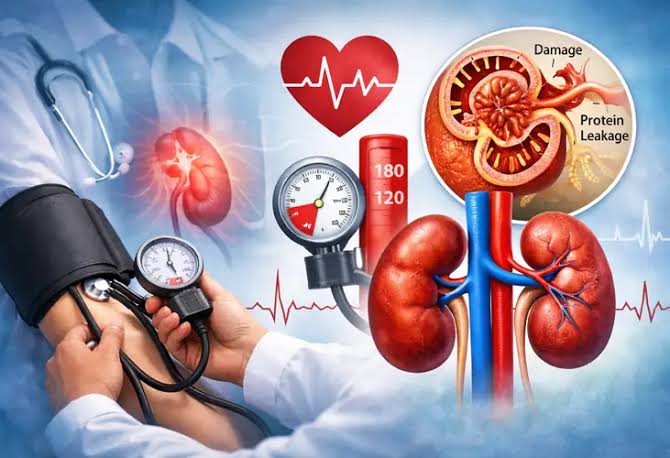
Hypertension can also damage the kidneys. The kidneys depend on healthy blood vessels to filter waste and excess fluids from the body. Prolonged high blood pressure can damage these vessels, reducing kidney function and potentially resulting in chronic kidney disease.
The eyes are not spared either. Damage to the blood vessels supplying the retina can result in vision problems and, in severe cases, loss of sight.
For young people, developing hypertension early in life can mean living with the condition for several decades, increasing their lifetime exposure to complications.
WHY MANY YOUNG PEOPLE DO NOT KNOW THEIR BLOOD PRESSURE STATUS
Despite the dangers associated with hypertension, many young Nigerians do not consider themselves vulnerable.
Some believe they are too young to develop the condition, while others assume that being physically active or appearing healthy automatically protects them.
Unfortunately, these assumptions can be dangerous.
Because hypertension often presents without symptoms, waiting until someone experiences headaches, dizziness, chest discomfort or other health problems before checking their blood pressure can delay diagnosis and treatment.
It is important to understand that these symptoms are not reliable indicators of hypertension. A person can have dangerously elevated blood pressure without experiencing any obvious warning signs.
Financial limitations, inadequate access to healthcare facilities, poor health awareness and the tendency to rely on self-medication also contribute to delayed diagnosis.
Some individuals only discover that they have hypertension during routine medical examinations or after experiencing serious complications.
Health professionals therefore encourage young adults to make blood pressure checks part of their regular healthcare routine, regardless of whether they feel sick or healthy.
PREVENTIVE MEASURES: WHAT YOUNG PEOPLE CAN DO
Although certain risk factors, including age and family history, cannot be changed, hypertension can often be prevented or effectively managed through healthier lifestyle choices.
1. Reduce salt consumption
Young people should reduce their intake of excessively salty foods, processed meals, seasoning products and packaged snacks. Preparing meals with moderate amounts of salt and choosing healthier food options can help protect cardiovascular health.
2. Exercise regularly
Physical activity is essential for maintaining healthy blood pressure. Young adults should aim for at least 150 minutes of moderate-intensity physical activity each week. Activities such as brisk walking, cycling, swimming, jogging and dancing can improve heart health.
3. Eat a balanced diet
A healthy diet should include fruits, vegetables, whole grains, beans and other nutritious foods. Reducing the consumption of processed foods, excessive fats and sugary drinks can also help maintain a healthy weight.
4. Maintain a healthy body weight
Being overweight or obese can increase the risk of developing hypertension. Maintaining a healthy weight through proper nutrition and regular exercise can significantly improve cardiovascular health.
5. Avoid smoking and excessive alcohol consumption
Smoking damages blood vessels and increases cardiovascular risks. Young people should avoid tobacco products and limit or avoid alcohol consumption.
6. Manage stress
Finding healthy ways to manage stress is important. Adequate rest, relaxation, physical exercise, social support and engaging in enjoyable activities can help improve overall well-being.
7. Get enough sleep
Poor sleep habits and consistently inadequate sleep can negatively affect cardiovascular health. Adults should generally aim for seven to nine hours of quality sleep every night.
8. Check your blood pressure regularly
Regular blood pressure screening remains one of the most effective ways to identify hypertension early. Young adults should not wait until they become older or develop symptoms before checking their blood pressure.
THE ROLE OF GOVERNMENT AND HEALTHCARE PROVIDERS
The growing burden of hypertension among young people calls for increased collaboration between government agencies, healthcare professionals, educational institutions, media organisations and community leaders.
Public health authorities should strengthen awareness campaigns that educate young people about the dangers of hypertension and the importance of preventive healthcare.
Schools, universities and workplaces can also support early detection by organising periodic blood pressure screening programmes.
Healthcare facilities should make blood pressure monitoring more accessible and affordable, particularly for people living in underserved communities.
Healthcare professionals also have an important responsibility to educate patients about lifestyle modification, early diagnosis and the dangers of discontinuing prescribed medication without medical advice.
Media organisations should continue to use their platforms to promote accurate health information and discourage harmful misconceptions surrounding hypertension.
EARLY DETECTION CAN SAVE LIVES
Hypertension should no longer be viewed as a health condition reserved for older people. Its increasing presence among younger populations is a reminder that age alone does not guarantee protection against cardiovascular diseases.
Young people must understand that good health is not determined by appearance, energy levels or the ability to carry out daily activities. Someone can look perfectly healthy and still have dangerously high blood pressure.
Individuals diagnosed with hypertension should follow medical advice, attend regular check-ups, take prescribed medications correctly and avoid stopping treatment simply because they feel better.
They should also avoid taking blood pressure medications based on recommendations from friends, relatives or unqualified individuals. Self-medication can be dangerous, as different patients require different treatment approaches.
The World Health Organisation continues to emphasise the importance of early detection, appropriate treatment and lifestyle changes in reducing the global burden of hypertension.
Ultimately, preventing hypertension requires a collective commitment to healthier living and regular medical screening.
The message is clear: High blood pressure does not wait until old age. Young people are equally vulnerable, and ignoring the condition today could have serious consequences tomorrow.
Checking your blood pressure takes only a few minutes, but that simple action could help protect your heart, kidneys, brain and overall health for years to come.
Young Nigerians must therefore abandon the belief that hypertension is exclusively an old person’s disease and begin taking their cardiovascular health seriously.
Know your numbers, make healthier choices and prioritise regular health checks. Prevention and early detection remain better than waiting for complications to occur.




