Anaemia remains a significant public health concern worldwide, affecting people of different ages, including children, pregnant women, teenagers and adults. Health professionals continue to raise awareness about the condition, encouraging individuals to recognise its warning signs, understand its causes and seek medical attention when necessary.
One major concern is that many people experience persistent tiredness, dizziness and weakness without realising that these symptoms may be linked to anaemia. Some individuals dismiss the signs as ordinary stress, hunger or lack of sleep, thereby delaying proper diagnosis and treatment.
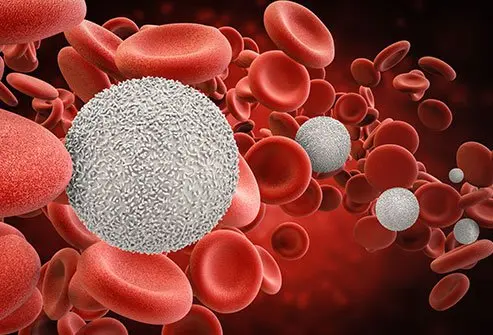
Anaemia occurs when the body does not have enough healthy red blood cells or sufficient haemoglobin to carry adequate oxygen to its tissues. Haemoglobin is a protein found in red blood cells that transports oxygen from the lungs to other parts of the body.
When the body does not receive enough oxygen, individuals may experience weakness, fatigue, shortness of breath and other health complications.
WHAT IS ANAEMIA?
Anaemia is a condition in which the level of haemoglobin or the number of healthy red blood cells is below the expected range for a person’s age, sex and other circumstances.
Red blood cells play an important role in maintaining normal body functions because they transport oxygen to vital organs, including the brain, heart and muscles.
When the body lacks sufficient healthy red blood cells, organs and tissues may not receive the oxygen they need to function properly.
Anaemia is not a disease in itself in every case; it can be a sign of an underlying health problem, nutritional deficiency or blood loss. Therefore, identifying the actual cause is essential for effective treatment.
TYPES OF ANAEMIA
There are different types of anaemia, and each may have different causes.
1. Iron-deficiency anaemia: This is one of the most common types. It occurs when the body does not have enough iron to produce adequate haemoglobin. It may result from poor dietary iron intake, blood loss, pregnancy or problems with iron absorption.
2. Vitamin-deficiency anaemia: This occurs when the body lacks essential vitamins needed to produce healthy red blood cells, particularly vitamin B12 and folate.
3. Aplastic anaemia: This is a rare but serious condition in which the bone marrow does not produce enough new blood cells.
4. Haemolytic anaemia: This occurs when red blood cells are destroyed faster than the body can replace them.
5. Sickle cell anaemia: This is an inherited blood disorder in which red blood cells become abnormally shaped, making them more likely to break down and sometimes block blood vessels.
6. Anaemia associated with chronic diseases: Long-term conditions such as chronic kidney disease, certain cancers and chronic inflammatory illnesses can interfere with red blood cell production.
CAUSES AND RISK FACTORS OF ANAEMIA
Several factors can contribute to the development of anaemia. Some are related to nutrition, while others involve medical conditions or inherited disorders.
Common causes and risk factors include:
1. Iron deficiency: Insufficient iron in the body can prevent the production of enough haemoglobin.
2. Poor nutrition: A diet lacking iron, vitamin B12, folate and other essential nutrients can increase the risk of nutritional anaemia.
3. Blood loss: Heavy menstrual bleeding, childbirth, injuries, surgery and bleeding from the digestive tract can cause anaemia.
4. Pregnancy: During pregnancy, the body’s blood volume increases and the demand for iron rises to support the mother and developing baby.
5. Malaria: Malaria can destroy red blood cells and contribute to anaemia, particularly in children and pregnant women.
6. Parasitic infections: Certain intestinal worms, especially hookworms, can cause blood loss and contribute to iron-deficiency anaemia.
7. Chronic diseases: Kidney disease, cancer and some long-term inflammatory conditions can affect the body’s ability to produce healthy red blood cells.
8. Inherited blood disorders: Conditions such as sickle cell disease and thalassaemia can cause anaemia.
WARNING SIGNS AND SYMPTOMS OF ANAEMIA
The symptoms of anaemia may develop gradually or appear more suddenly, depending on its cause and severity.
Common warning signs include:
- Persistent tiredness and weakness.
- Pale skin, gums or the inside of the eyelids.
- Dizziness or light-headedness.
- Frequent headaches.
- Shortness of breath, especially during physical activity.
- Rapid or irregular heartbeat.
- Cold hands and feet.
- Difficulty concentrating.
- Reduced ability to perform everyday activities.
- Chest discomfort in severe cases.
Some individuals with mild anaemia may not experience obvious symptoms. However, persistent or unexplained symptoms should not be ignored.
HEALTH DANGERS AND COMPLICATIONS OF ANAEMIA
When anaemia is left untreated, it can affect several body systems and lead to serious complications.
1. Severe fatigue and weakness
Insufficient oxygen delivery can make everyday activities difficult. Individuals may struggle with walking, working, exercising or concentrating.
2. Heart problems
When the blood carries insufficient oxygen, the heart may work harder to compensate. Severe or prolonged anaemia can contribute to an enlarged heart, heart failure or other cardiovascular complications, particularly in vulnerable individuals.
3. Pregnancy complications
Anaemia during pregnancy can increase the risk of maternal complications, premature delivery and low birth weight. Severe anaemia may also affect the health of the mother and baby.
4. Poor growth and development in children
Iron deficiency during childhood can affect brain development, learning, concentration and physical growth, particularly when it is severe or prolonged.
5. Reduced immunity and general wellbeing
Nutritional deficiencies associated with anaemia may affect normal immune function and overall health.
6. Complications from underlying conditions
Anaemia may be a warning sign of an underlying problem, such as internal bleeding, kidney disease or an inherited blood disorder. Delayed diagnosis may allow the underlying condition to worsen.
HOW IS ANAEMIA DIAGNOSED?
Anaemia cannot be confirmed simply by looking at someone’s skin or judging how tired they feel. Proper medical assessment and laboratory investigations are necessary.
A healthcare professional may recommend a complete blood count (CBC) to measure haemoglobin, red blood cell levels and other blood components.
Additional tests may include:
- Ferritin and iron studies to assess the body’s iron stores.
- Vitamin B12 and folate tests.
- Reticulocyte count to assess the production of new red blood cells.
- Tests for malaria or other infections when indicated.
- Investigations for blood loss or underlying medical conditions.
The specific tests depend on the patient’s symptoms, medical history and suspected cause of anaemia.
HOW TO PREVENT ANAEMIA
Although not every type of anaemia can be prevented, certain measures can reduce the risk of nutritional anaemia and help protect overall health.
1. Eat iron-rich foods: Include foods such as beans, lentils, fish, meat, eggs and dark green leafy vegetables in your meals.
2. Consume vitamin C-rich foods: Fruits such as oranges, guava, tomatoes and other vitamin C sources can improve the absorption of iron from plant-based foods.
3. Eat folate-rich foods: Vegetables, beans, peas and other legumes can help provide folate, which is important for red blood cell production.
4. Include vitamin B12 sources: Fish, meat, eggs, milk and other animal-derived foods provide vitamin B12. People who avoid animal products may need professionally guided fortified foods or supplements.
5. Treat infections promptly: Seek appropriate medical care for malaria and other infections that may contribute to anaemia.
6. Attend antenatal care: Pregnant women should attend regular antenatal appointments and follow professional advice on iron and folic acid supplementation.
7. Investigate heavy menstrual bleeding: Women experiencing unusually heavy or prolonged menstrual periods should seek medical assessment.
8. Avoid self-medication: Do not take iron supplements unnecessarily. Excess iron can be harmful, and not all forms of anaemia are caused by iron deficiency.
9. Go for medical check-ups: People experiencing persistent fatigue, dizziness or unexplained weakness should seek medical assessment rather than assuming they have anaemia.
ANAEMIA AND PUBLIC HEALTH IN NIGERIA
Anaemia remains an important public health challenge in Nigeria, particularly among young children, women of reproductive age and pregnant women.
Factors such as malaria, nutritional deficiencies, intestinal worm infections, heavy menstrual bleeding and inherited blood disorders contribute to the problem.
In some communities, limited access to healthcare, poor dietary diversity and delayed diagnosis may make the condition more difficult to manage.
Public health education, improved nutrition, malaria prevention, routine antenatal care and access to laboratory testing are important measures for reducing the burden of anaemia.
Parents and caregivers should also pay attention to symptoms such as unusual tiredness, poor appetite, weakness and pale appearance in children. These signs require proper medical assessment.
WHEN SHOULD YOU SEE A DOCTOR?
Individuals should seek medical attention if they experience persistent weakness, dizziness, pale skin, frequent headaches, breathlessness or unexplained tiredness.
People with severe breathlessness, chest pain, fainting, a very rapid heartbeat or heavy ongoing bleeding should seek urgent medical care.
Treatment depends on the underlying cause. It may involve iron or vitamin supplementation, treatment of infections, management of blood loss, medication or other specialised care. Some severe cases may require blood transfusion under medical supervision.
Patients should not begin taking iron tablets or other supplements without appropriate medical advice because treatment must address the actual cause of the anaemia.
Anaemia is a common but potentially serious health condition that can affect people of all ages. It occurs when the body does not have enough healthy red blood cells or haemoglobin to deliver adequate oxygen to its tissues.
Although nutritional deficiencies are important causes, anaemia can also result from blood loss, infections, chronic diseases and inherited conditions.
Early diagnosis and appropriate treatment can prevent complications and improve quality of life. Individuals are encouraged to eat nutritious meals, prevent infections, attend routine medical check-ups and seek professional care when warning signs appear.
HEALTH REMINDER: Persistent tiredness, dizziness and weakness should never be ignored. They may be signs of anaemia or another underlying health condition. Eat a balanced diet, seek medical advice and avoid taking iron supplements without proper diagnosis.
Remember: Healthy blood supports a healthy body. Take your blood health seriously.