Breast cancer remains one of the leading causes of cancer-related illness and death among women worldwide, raising concerns among health professionals about the importance of early detection, regular breast awareness and timely medical attention.
Although breast cancer is more common in women, men can also develop the disease. Health experts continue to encourage individuals to understand the warning signs, recognise possible risk factors and seek medical assistance when unusual changes occur in their breasts.
Breast cancer develops when abnormal cells in the breast begin to grow uncontrollably, forming a tumour that may invade surrounding tissues and, in some cases, spread to other parts of the body.
The disease can affect people of different ages, although the risk generally increases with age. However, younger women are not completely free from the possibility of developing breast cancer.
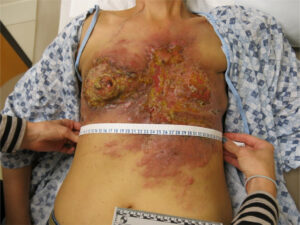
One major concern is that many people only seek medical attention when the disease has advanced. This may reduce treatment options and make recovery more difficult. Early detection, therefore, remains an important part of breast cancer control.
WHAT CAUSES BREAST CANCER?
There is no single cause of breast cancer. The disease develops through changes in the DNA of breast cells, causing them to grow and divide abnormally.
Some of these changes occur naturally over time, while others may be associated with inherited genetic factors, hormonal influences and lifestyle-related risks.
Certain individuals have a higher risk of developing breast cancer because of family history or inherited gene mutations, particularly BRCA1 and BRCA2.
However, it is important to understand that not everyone diagnosed with breast cancer has a family history of the disease. Many cases occur in individuals without any known inherited risk.
RISK FACTORS ASSOCIATED WITH BREAST CANCER
Several factors may increase a person’s chances of developing breast cancer.
1. Age: The risk of breast cancer increases as people grow older, although the disease can occur in younger individuals.
2. Family history: Having a mother, sister, daughter or other close relative diagnosed with breast cancer may increase an individual’s risk.
3. Genetic mutations: Inherited changes in genes such as BRCA1 and BRCA2 can significantly increase the risk of breast and ovarian cancers.
4. Hormonal factors: Early menstruation, late menopause and certain hormonal exposures may influence breast cancer risk.
5. Obesity: Excess body weight, particularly after menopause, is associated with an increased risk of certain types of breast cancer.
6. Alcohol consumption: Regular alcohol consumption increases the risk of breast cancer. Reducing or avoiding alcohol can help lower this risk.
7. Physical inactivity: A sedentary lifestyle may contribute to increased breast cancer risk. Regular physical activity is encouraged for overall health.
8. Previous breast cancer: Individuals who have previously had breast cancer may have an increased risk of developing another breast cancer.
Having one or more risk factors does not mean that someone will definitely develop breast cancer. Similarly, individuals without recognised risk factors can still develop the disease.
WARNING SIGNS AND SYMPTOMS OF BREAST CANCER
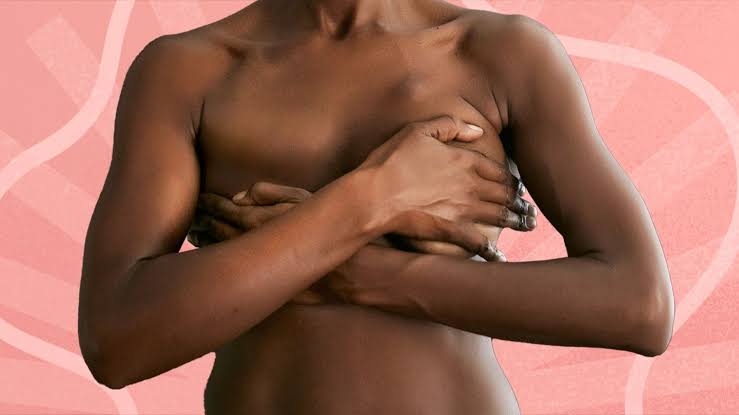
Recognising unusual breast changes is important because early breast cancer may not always cause pain.
Some common warning signs include:
- A new lump or swelling in the breast.
- A lump or swelling under the armpit.
- Changes in the size or shape of the breast.
- Unexplained changes in the appearance of the nipple.
- Nipple discharge, particularly bloody discharge.
- Nipple turning inward when this is a new change.
- Redness, thickening or unusual changes in breast skin.
- Dimpling or an orange-peel appearance of the breast.
- Persistent pain in a particular area of the breast.
- Changes in the skin around the nipple.
It is important to note that not every breast lump is cancerous. Many breast lumps are caused by harmless conditions such as cysts and fibroadenomas.
However, any new or unusual breast change should be examined by a qualified healthcare professional rather than ignored or treated through self-medication.
BREAST CANCER CAN AFFECT MEN TOO
Although breast cancer is predominantly diagnosed in women, men also have breast tissue and can develop the disease.
Male breast cancer is less common, but its symptoms may include a painless lump beneath the nipple, nipple discharge, nipple retraction and changes in the skin around the breast.
Because many men do not consider themselves at risk, they may delay seeking medical attention.
Health professionals advise men to take unusual breast changes seriously and seek medical evaluation promptly.
THE IMPORTANCE OF EARLY DETECTION
Early detection plays a significant role in improving breast cancer treatment outcomes.
When breast cancer is discovered before it spreads to distant parts of the body, treatment is generally more successful.
Some methods used to detect breast cancer include:
1. Clinical breast examination: A trained healthcare professional examines the breasts and surrounding areas for unusual changes or lumps.
2. Mammography: This is a specialised breast X-ray used to detect abnormalities, including some cancers that cannot be felt during a physical examination.
3. Breast ultrasound: Ultrasound uses sound waves to examine breast tissue and may help determine whether a lump is solid or fluid-filled.
4. Breast MRI: Magnetic resonance imaging may be recommended for certain individuals, particularly those with a high risk of developing breast cancer.
5. Biopsy: When an abnormal area is discovered, a small tissue sample may be taken and examined in a laboratory to determine whether cancer cells are present.
The appropriate screening method and starting age depend on an individual’s age, personal risk factors, family history and national medical guidelines. People at increased risk should discuss an appropriate screening plan with their healthcare providers.
HOW TO REDUCE THE RISK OF BREAST CANCER
Although breast cancer cannot always be prevented, certain lifestyle choices may help reduce the risk.
1. Maintain a healthy body weight: Eating nutritious meals and maintaining a healthy weight can contribute to reducing the risk of some cancers.
2. Exercise regularly: Engage in physical activities such as walking, cycling, swimming and other forms of exercise.
3. Eat a balanced diet: Include fruits, vegetables, whole grains, beans and other nutritious foods in daily meals.
4. Limit alcohol consumption: Alcohol increases breast cancer risk, and avoiding it is one way to reduce that risk.
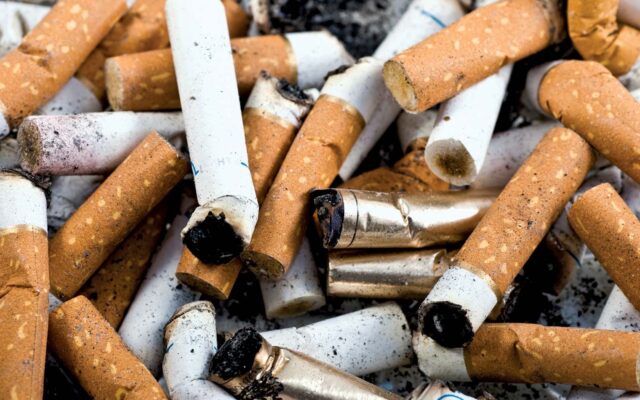
5. Avoid smoking: Smoking is associated with several cancers and other serious health conditions. Avoiding tobacco is important for overall wellbeing.
6. Breastfeed when possible: Breastfeeding has been associated with a reduced risk of breast cancer in women.
7. Know your family history: Individuals with close relatives who have had breast or ovarian cancer should discuss their risk with a healthcare professional.
8. Pay attention to breast changes: Become familiar with the normal appearance and feel of your breasts so that unusual changes can be recognised early.
It is important to understand that breast awareness and self-examination do not replace recommended mammography or medical screening.
BREAST CANCER TREATMENT OPTIONS
Breast cancer treatment depends on the type of cancer, its stage, whether it has spread and the patient’s general health.
Available treatment options include:
- Surgery: This may involve removing the cancerous tissue or, in some cases, the entire breast.
- Chemotherapy: Medicines are used to destroy cancer cells or stop them from growing.
- Radiotherapy: High-energy radiation is used to destroy cancer cells in specific areas.
- Hormone therapy: Certain medicines block hormones that may encourage some breast cancers to grow.
- Targeted therapy: Specialised medicines target particular characteristics of cancer cells.
- Immunotherapy: In selected cases, medicines help the immune system recognise and attack cancer cells.
Some patients receive a combination of treatments depending on their diagnosis.
Early medical assessment is essential because treatment decisions should be based on proper diagnosis rather than assumptions.
BREAST CANCER AWARENESS IN NIGERIA
Breast cancer remains an important public health concern in Nigeria. Limited awareness, fear of diagnosis, financial difficulties, inadequate screening opportunities and delayed hospital visits can prevent some women from receiving timely treatment.
In some communities, breast cancer is surrounded by misinformation and cultural beliefs. Some individuals may turn to unverified herbal remedies or traditional treatments instead of seeking proper medical care.
Health professionals emphasise that breast cancer is not caused by witchcraft, spiritual attacks or punishment. It is a medical disease that requires scientific investigation and appropriate treatment.
Public health organisations, government agencies, hospitals and community leaders are encouraged to strengthen awareness campaigns, improve access to screening services and support people living with the disease.
Women and men should also be encouraged to seek medical attention without shame or fear whenever they notice unusual breast changes.
Breast cancer is a serious health condition, but an early diagnosis can make a significant difference in treatment outcomes and survival.
Understanding the warning signs, knowing personal risk factors, maintaining healthy lifestyle habits and following appropriate screening recommendations are important steps towards reducing the impact of the disease.
Nobody should wait until a breast lump becomes painful before seeking medical attention. A painless lump can also be a warning sign.
- HEALTH REMINDER: Know your breasts, pay attention to unusual changes and seek medical attention promptly. Breast cancer awareness should not be limited to October; protecting your health is a responsibility that continues throughout the year.
Early detection saves lives. Don’t ignore the signs, don’t believe in cancer myths and don’t delay seeking medical help.