Heart disease remains one of the major causes of illness and death worldwide, affecting millions of people and placing an increasing burden on healthcare systems. Health professionals are raising awareness about the dangers of heart-related conditions, urging individuals to pay attention to their heart health, recognise early warning signs and adopt healthier lifestyles.
Heart disease refers to a group of medical conditions that affect the structure and functioning of the heart. These conditions can interfere with the heart’s ability to pump blood effectively, supply oxygen to the body and maintain normal circulation.
Although heart disease is often associated with older people, younger adults are not completely free from the risk. Poor dietary habits, physical inactivity, smoking, excessive alcohol consumption, obesity, diabetes and uncontrolled high blood pressure can increase the likelihood of developing heart-related problems.
One major concern is that some heart conditions develop gradually without obvious symptoms until a serious complication occurs.
WHAT IS HEART DISEASE?
Heart disease is a broad term used to describe different conditions affecting the heart and its blood vessels.
Some common types include:
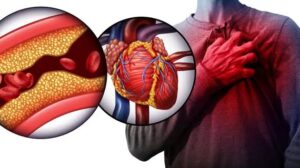
1. Coronary artery disease: This occurs when the blood vessels supplying the heart become narrowed or blocked, usually because of fatty deposits called plaques. It can reduce blood flow to the heart and cause chest pain or a heart attack.
2. Heart attack: A heart attack occurs when blood flow to part of the heart muscle becomes severely reduced or blocked, causing damage to the heart tissue.
3. Heart failure: This happens when the heart cannot pump blood effectively enough to meet the body’s needs. It may cause breathlessness, tiredness and swelling in the legs.
4. Arrhythmia: This refers to an abnormal heartbeat. The heart may beat too quickly, too slowly or irregularly.
5. Congenital heart disease: These are structural problems of the heart that are present from birth.
6. Heart valve disease: This occurs when one or more heart valves do not open or close properly, affecting normal blood circulation.
CAUSES AND RISK FACTORS OF HEART DISEASE
Several factors can increase an individual’s chances of developing heart disease. Some are related to lifestyle, while others are influenced by age, genetics and existing medical conditions.
Important risk factors include:
1. High blood pressure: Uncontrolled hypertension forces the heart to work harder than normal, potentially damaging the heart and blood vessels over time.
2. High cholesterol: Excessive levels of certain types of cholesterol can contribute to fatty deposits in the arteries, restricting blood flow.
3. Smoking: Tobacco contains harmful chemicals that damage blood vessels, increase blood pressure and raise the risk of heart attacks.
4. Poor diet: Regular consumption of foods high in salt, unhealthy fats and added sugar can contribute to obesity, high blood pressure and other cardiovascular risk factors.
5. Physical inactivity: Lack of regular exercise can increase the risk of obesity, diabetes and high blood pressure.
6. Diabetes: High blood sugar levels can damage blood vessels and increase the risk of cardiovascular complications.
7. Obesity: Excess body weight can place additional strain on the heart and increase the likelihood of developing hypertension and diabetes.
8. Family history: Individuals with close relatives who have experienced heart disease may have a higher risk, particularly when the condition occurs at a relatively young age.
9. Excessive alcohol consumption: Heavy alcohol use can contribute to high blood pressure, abnormal heart rhythms and damage to the heart muscle.
WARNING SIGNS AND SYMPTOMS OF HEART DISEASE
Recognising the symptoms of heart disease can help individuals seek medical attention before complications become severe.
Common symptoms include:
- Chest pain, pressure or discomfort.
- Shortness of breath, especially during physical activity.
- Unusual tiredness or weakness.
- Dizziness or light-headedness.
- Rapid or irregular heartbeat.
- Swelling in the legs, ankles or feet.
- Pain or discomfort in the arms, shoulders, neck, jaw or back.
- Unexplained sweating.
- Fainting or near-fainting episodes.
It is important to understand that symptoms may differ from one person to another. Some individuals, particularly people with diabetes, may experience less obvious symptoms during a heart attack.
MEDICAL WARNING: Sudden chest pressure or pain, difficulty breathing, cold sweating, faintness or discomfort spreading to the arm, jaw or back may indicate a heart attack. Seek emergency medical attention immediately. Do not wait for symptoms to disappear.
HOW DOES HEART DISEASE AFFECT THE BODY?
The heart is responsible for pumping blood throughout the body. When it becomes damaged or its blood supply is restricted, other organs may not receive the oxygen and nutrients they need.
Heart disease can lead to serious complications, including:
- Heart attacks.
- Stroke.
- Heart failure.
- Dangerous abnormal heart rhythms.
- Kidney damage.
- Reduced physical ability and quality of life.
- Sudden cardiac arrest.
These complications highlight the importance of preventing heart disease and managing existing cardiovascular conditions.
HOW TO PREVENT HEART DISEASE
Although some risk factors cannot be changed, several lifestyle choices can help reduce the risk of developing heart disease.
1. Eat a healthy and balanced diet: Include fruits, vegetables, beans, whole grains, fish and other nutritious foods in your daily meals. Reduce excessive salt, added sugar and unhealthy fats.
2. Exercise regularly: Engage in physical activities such as walking, cycling, swimming and dancing. Adults are generally encouraged to aim for at least 150 minutes of moderate-intensity physical activity weekly.
3. Avoid smoking: Quitting smoking is one of the most important steps towards protecting the heart and blood vessels.
4. Maintain a healthy body weight: Eating balanced meals and engaging in regular physical activity can help prevent excessive weight gain.
5. Monitor your blood pressure: Regular blood pressure checks can help identify hypertension early and prevent complications.
6. Control blood sugar: Individuals living with diabetes should follow their treatment plans and monitor their blood glucose levels as advised by their healthcare providers.
7. Reduce alcohol consumption: Avoiding or limiting alcohol can help reduce certain cardiovascular risks.
8. Manage stress: Practise healthy stress-management techniques such as relaxation, adequate rest, exercise and seeking emotional support.
9. Get enough sleep: Adults should generally aim for seven to nine hours of sleep each night.
10. Attend regular medical check-ups: Routine health assessments can help identify risk factors such as high cholesterol, hypertension and diabetes.
HEART DISEASE AMONG YOUNG PEOPLE
Heart disease is no longer a health concern that should be associated exclusively with older adults.
Increasing concerns about unhealthy eating, sedentary lifestyles, smoking, obesity and undiagnosed hypertension have made cardiovascular health important for younger populations.
Some young adults may ignore symptoms such as unusual tiredness, chest discomfort and breathlessness, assuming they are caused by stress or exhaustion.
However, persistent or unexplained symptoms should be medically evaluated.
Young people are encouraged to develop healthy habits early, monitor their health and avoid lifestyle choices that may increase cardiovascular risks.
HEART DISEASE AND PUBLIC HEALTH IN NIGERIA
Heart disease and other cardiovascular conditions remain important public health concerns in Nigeria.
Hypertension, diabetes, obesity, tobacco use, unhealthy diets and limited access to regular medical screening contribute to the burden of cardiovascular diseases.
One major challenge is that many people do not know their blood pressure or cholesterol levels. Some individuals only discover that they have a heart-related condition after experiencing a serious medical complication.
Financial difficulties, inadequate health awareness, self-medication and delayed hospital visits may also affect timely diagnosis and treatment.
Health professionals encourage Nigerians to make routine medical check-ups a priority and seek proper treatment when diagnosed with cardiovascular conditions.
Government agencies, healthcare facilities and community organisations also have important roles to play in improving public awareness, supporting preventive healthcare and making essential medical services more accessible.
WHEN SHOULD YOU SEE A DOCTOR?
Individuals should seek medical advice if they experience recurring chest discomfort, unexplained breathlessness, persistent palpitations, unusual fatigue, dizziness or swelling in the legs.
People with high blood pressure, diabetes, high cholesterol or a family history of heart disease should also discuss their cardiovascular risk with a healthcare professional.
Diagnosis may involve blood pressure measurement, blood tests, an electrocardiogram (ECG), echocardiography and other investigations depending on the symptoms.
Treatment may include lifestyle changes, prescribed medications, medical procedures or surgery, depending on the specific heart condition.
Patients should never stop prescribed heart or blood pressure medications without consulting their healthcare providers.
Heart disease is a serious health condition, but many cardiovascular problems can be prevented or better managed through early detection, healthy lifestyle choices and appropriate medical treatment.
Protecting the heart requires daily commitment. Eating nutritious meals, exercising regularly, avoiding tobacco, controlling blood pressure and attending routine medical check-ups can make a significant difference.
People should not wait until they experience a heart attack before taking their cardiovascular health seriously.
HEALTH REMINDER: Your heart works every second to keep you alive. Protect it by eating well, staying active, monitoring your blood pressure and seeking medical attention when necessary.
A healthy heart is essential for a healthy life. Do not ignore the warning signs.