Alcohol abuse is becoming an increasing public health concern, with serious consequences for individuals, families and society. Despite being socially accepted in many communities, excessive alcohol consumption can damage vital organs, affect mental health, destroy relationships and increase the risk of life-threatening diseases.
Health professionals continue to warn that drinking too much alcohol, particularly over a prolonged period, can have devastating effects on the human body.
Alcohol abuse occurs when a person consumes alcoholic beverages in a harmful or excessive manner, leading to physical, psychological, social or behavioural problems. Some individuals may drink occasionally but consume large quantities at once, while others develop a pattern of frequent drinking that becomes difficult to control.
One major concern is that many people do not recognise when social drinking develops into alcohol dependence. What begins as occasional drinking at parties, celebrations or social gatherings can gradually become a habit that affects everyday life.
WHAT IS ALCOHOL ABUSE?
Alcohol abuse involves drinking in a way that causes harm to an individual’s health, safety or personal responsibilities.
It may include drinking excessively, being unable to control alcohol consumption, continuing to drink despite negative consequences or experiencing a strong desire to consume alcohol.
Alcohol use disorder is a medical condition in which a person finds it difficult to control or stop drinking despite experiencing problems related to alcohol.
It is important to understand that alcohol dependence is not simply a lack of discipline. It is a health condition that may require professional treatment and support.
CAUSES AND RISK FACTORS OF ALCOHOL ABUSE
Several factors may contribute to excessive alcohol consumption. These factors can differ from one individual to another.
1. Peer pressure: Some people begin drinking because of pressure from friends, colleagues or social groups.
2. Stress and emotional problems: Individuals experiencing financial difficulties, relationship problems, work pressure or emotional distress may turn to alcohol as a way of coping.
3. Depression and anxiety: Some people use alcohol to temporarily escape uncomfortable emotions, although alcohol can worsen mental health problems.
4. Family history: Having close relatives with alcohol use problems may increase an individual’s risk.
5. Social acceptance: In some communities, excessive drinking is normalised during celebrations, parties and other social activities.
6. Early exposure to alcohol: Beginning alcohol consumption at a young age may increase the risk of developing harmful drinking patterns later in life.
7. Availability of alcoholic beverages: Easy access to alcoholic drinks can encourage frequent consumption, particularly among individuals already struggling with alcohol use.
WARNING SIGNS OF ALCOHOL ABUSE
Recognising the signs of alcohol abuse is important because early intervention can prevent more serious health and social consequences.
Some common warning signs include:
- Drinking alcohol more frequently than intended.
- Being unable to stop drinking once consumption begins.
- Developing a strong desire or craving for alcohol.
- Neglecting work, education or family responsibilities because of drinking.
- Spending excessive money on alcoholic beverages.
- Experiencing memory loss or blackouts after drinking.
- Becoming aggressive or engaging in risky behaviour while intoxicated.
- Continuing to drink despite health problems.
- Needing larger amounts of alcohol to experience the same effects.
- Experiencing shaking, sweating, anxiety or nausea when alcohol consumption is reduced or stopped.
Individuals who experience these symptoms should consider seeking professional medical assistance.
HEALTH DANGERS OF EXCESSIVE ALCOHOL CONSUMPTION
Alcohol affects several organs and systems in the human body. Prolonged excessive consumption can increase the risk of serious diseases.
1. Liver damage
The liver is responsible for processing alcohol in the body. Excessive drinking can cause fatty liver disease, alcoholic hepatitis, liver fibrosis and cirrhosis.
Cirrhosis is a serious condition in which healthy liver tissue is replaced by scar tissue, affecting the liver’s ability to function properly.
2. Heart disease
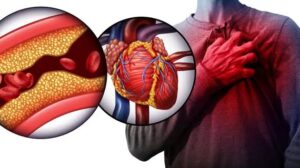
Heavy alcohol consumption can increase blood pressure and contribute to abnormal heart rhythms, weakening of the heart muscle and other cardiovascular problems.
3. Brain damage
Alcohol affects the brain and nervous system. Excessive consumption can interfere with memory, concentration, judgement, coordination and decision-making.
Long-term heavy drinking can also contribute to serious neurological problems.
4. Mental health problems
Alcohol abuse is associated with depression, anxiety, emotional instability and an increased risk of self-harm and suicide.
Although some people drink to relax or escape stress, alcohol can worsen emotional difficulties over time.
5. Increased cancer risk
Alcohol consumption increases the risk of several cancers, including cancers of the mouth, throat, oesophagus, liver, breast and colorectum.
The risk generally increases with the amount of alcohol consumed. There is no completely risk-free level of alcohol consumption in relation to cancer risk.
6. Digestive problems
Excessive drinking can irritate the digestive system and increase the risk of gastritis, pancreatitis and other gastrointestinal complications.
7. Weak immune system
Heavy alcohol consumption can weaken the body’s ability to fight infections, making individuals more vulnerable to certain illnesses.
8. Kidney and other organ problems
Alcohol can contribute indirectly to kidney-related problems, particularly through dehydration, high blood pressure and other complications associated with heavy drinking.
SOCIAL AND ECONOMIC CONSEQUENCES OF ALCOHOL ABUSE
The dangers of alcohol abuse extend beyond physical health.
Excessive drinking can damage marriages, friendships and family relationships. Individuals may become emotionally unavailable, aggressive or financially irresponsible.
Alcohol abuse can also affect workplace productivity, increase absenteeism and contribute to unemployment.
Furthermore, driving under the influence of alcohol increases the risk of road traffic accidents, injuries and deaths.
Some individuals may engage in violence, unsafe sexual activities, criminal behaviour or other risky decisions while intoxicated.
Families, particularly children living with someone who has a serious drinking problem, may experience emotional distress, insecurity and financial hardship.
HOW TO PREVENT ALCOHOL ABUSE
Preventing alcohol abuse requires personal commitment, public awareness, family support and access to appropriate healthcare.
The following measures can help:
1. Avoid drinking to cope with stress: Find healthier ways to manage emotional difficulties, such as exercise, relaxation, counselling and speaking with trusted people.
2. Choose healthier social activities: Participate in activities that do not revolve around alcohol consumption.
3. Understand the health risks: Educate yourself about the physical, psychological and social consequences of excessive drinking.
4. Avoid peer pressure: Do not allow friends or colleagues to force you into drinking alcohol.
5. Seek professional help early: Individuals struggling to control their drinking should speak with qualified healthcare professionals.
6. Build a strong support system: Family members and trusted friends can provide encouragement during recovery.
7. Promote awareness among young people: Schools, religious organisations, community groups and health institutions should educate young people about the dangers of alcohol misuse.
HOW CAN SOMEONE RECOVER FROM ALCOHOL DEPENDENCE?
Recovery from alcohol dependence is possible, and individuals should not feel ashamed to seek help.
Treatment may include medical assessment, counselling, behavioural therapy, support groups and prescribed medications when appropriate.
Healthcare professionals can help identify the severity of alcohol dependence and develop a suitable treatment plan.
An important warning is that people who have been drinking heavily for a prolonged period should not suddenly stop without medical advice. Alcohol withdrawal can cause serious complications, including seizures and delirium tremens, which can be life-threatening.
Withdrawal symptoms may include shaking, sweating, nausea, anxiety, insomnia and an increased heartbeat. Severe confusion, hallucinations or seizures require emergency medical attention.
Family members should encourage affected individuals to seek professional help rather than using insults, threats or discrimination.
ALCOHOL ABUSE AND PUBLIC HEALTH IN NIGERIA
Alcohol misuse remains an important public health concern in Nigeria, particularly among individuals exposed to social pressure, unemployment, financial difficulties and environments where excessive drinking is encouraged.
The widespread availability of alcoholic beverages and the normalisation of heavy drinking during celebrations can make it difficult for some individuals to recognise harmful consumption patterns.
Another concern is the consumption of unregulated or illicit alcoholic products, which may expose people to additional health dangers.
Public health authorities, healthcare professionals, schools, religious institutions and community leaders are encouraged to strengthen alcohol awareness programmes and promote responsible health choices.
Parents are also encouraged to educate their children about the dangers of underage drinking and provide supportive environments where young people can discuss peer pressure and emotional challenges.
Alcohol abuse is more than a social habit; it is a serious health concern that can affect almost every aspect of an individual’s life.
Excessive alcohol consumption can damage the liver, weaken the heart, affect the brain, increase cancer risk and contribute to mental health problems.
However, prevention, early intervention and appropriate treatment can help individuals regain control of their lives.
Anyone struggling with alcohol dependence should understand that seeking help is a sign of strength, not weaknes
HEALTH REMINDER: Do not use alcohol as an escape from stress, depression or life’s challenges. Protect your liver, heart, brain and mental wellbeing by making informed decisions about alcohol consumption.
Your health is more valuable than temporary pleasure. Say no to alcohol abuse and choose a healthier life.