(DDM) – Living with HIV comes with serious health considerations, and experts warn that eye complications are among the most dangerous.
HIV weakens the immune system, leaving the body vulnerable to opportunistic infections that can affect the eyes and potentially lead to blindness if untreated.
One of the most serious conditions is Cytomegalovirus (CMV) retinitis, a viral infection common in advanced HIV cases. CMV retinitis attacks the retina, causing blurred vision, dark spots, and in severe instances, complete loss of sight.
Another concern is HIV-associated retinopathy, which affects the small blood vessels in the retina. Patients may experience visual disturbances such as floaters, blurred vision, or blind spots. Early detection and proper management are critical to prevent permanent damage.
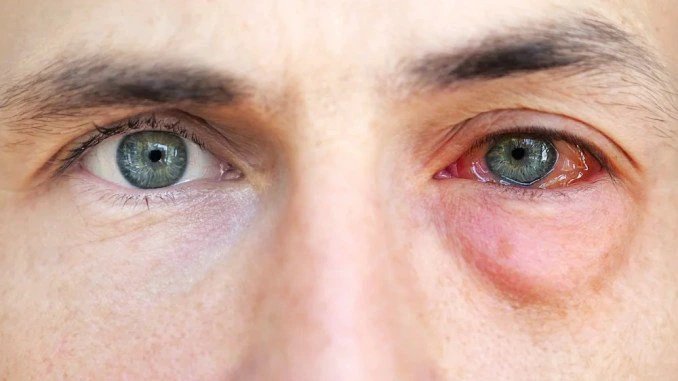
Uveitis, an inflammation of the middle layer of the eye, is a third major risk for HIV-positive individuals. This condition can cause redness, pain, light sensitivity, and visual impairment if not promptly treated.

Experts advise that regular eye examinations are essential for HIV patients, especially for those with low CD4 counts or a history of opportunistic infections. Early intervention can preserve vision and prevent serious complications.
Preventive measures, including adherence to antiretroviral therapy (ART) and proper management of viral loads, play a crucial role in reducing the risk of eye-related issues among HIV patients.
Healthcare providers also emphasize the importance of reporting any visual changes immediately, as timely treatment can significantly reduce the risk of permanent vision loss.
In summary, HIV patients must remain vigilant about their eye health. Cytomegalovirus retinitis, HIV-associated retinopathy, and uveitis are three major threats that require regular monitoring and swift medical attention.
Awareness, adherence to treatment, and proactive healthcare can protect the vision of people living with HIV and improve their overall quality of life.