
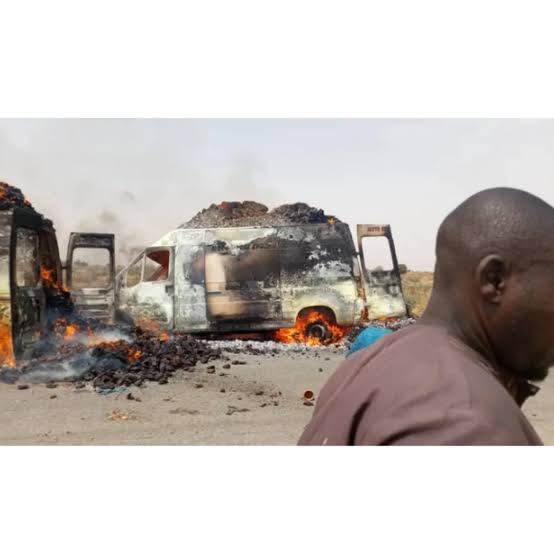
The calm of Maiduguri was violently shattered on Monday night when a series of bomb explosions ripped through parts of the city, sending waves of fear, confusion, and grief across the North-East region of Nigeria. What began as an ordinary evening quickly descended into chaos as residents fled for safety, emergency sirens pierced the darkness, and rescue teams raced against time to save lives. In the aftermath of the devastating incident, Nigeria’s medical community has raised a powerful and urgent alarm, warning that healthcare institutions must never become casualties of violence. The Nigerian Association of Resident Doctors (NARD), reacting swiftly to the tragedy, has strongly condemned the attacks and demanded immediate action to safeguard hospitals and medical personnel operating in vulnerable areas.
In a strongly worded statement released on Tuesday, the association’s president, Dr. Mohammad Suleiman, described the explosions as tragic, barbaric, and entirely unacceptable in any civilized society. According to reports gathered by DDM News, the blasts affected multiple locations across Maiduguri metropolis, intensifying existing security concerns in a region already burdened by years of insurgency and instability. Among the locations impacted was the University of Maiduguri Teaching Hospital (UMTH), a development that has sparked widespread outrage and anxiety within Nigeria’s healthcare sector.
The incident struck particularly close to home for medical professionals because one of the explosions occurred within the premises of UMTH, the largest tertiary healthcare institution in North-East Nigeria and a critical lifeline for millions of residents across the region. The hospital has long served as a beacon of hope, providing specialized medical care to patients from Borno and neighboring states, many of whom rely on its services amid limited healthcare alternatives. For many observers, the idea that such a facility could be caught in the crossfire of violence represents a deeply troubling escalation.
NARD emphasized that hospitals occupy a unique and sacred position in society — spaces dedicated solely to healing, compassion, and the preservation of human life. The association noted that targeting or endangering healthcare facilities undermines not only medical services but also the moral foundations of humanity itself. In its statement, the body stressed that witnessing violence encroach upon a place meant to restore health and hope was both painful and unacceptable.
Despite the frightening circumstances, there was a measure of relief as the association confirmed that none of its members stationed at UMTH lost their lives or sustained injuries during the explosions. This outcome, many believe, was nothing short of fortunate given the scale of the incident and the panic that followed. Nonetheless, the psychological impact on healthcare workers and patients alike remains profound, highlighting the vulnerability of medical institutions operating within conflict-prone environments.
As emergency responders mobilized, resident doctors, medical and dental students, nurses, and other healthcare workers demonstrated remarkable courage and professionalism. Eyewitness accounts described scenes of coordinated urgency as medical teams immediately attended to victims brought into the hospital, many arriving with injuries sustained from the blasts. According to DDM News, healthcare personnel worked tirelessly through the night, prioritizing patient stabilization and emergency care despite the uncertainty surrounding their own safety.
The association commended these frontline workers for their unwavering commitment to duty, noting that their swift response exemplified the highest ideals of the medical profession. NARD also praised the management of the University of Maiduguri Teaching Hospital for its decisive leadership and effective coordination during the crisis. Hospital authorities reportedly activated emergency protocols promptly, ensuring that medical resources were efficiently deployed to handle the influx of casualties.
Beyond commendations, the association extended heartfelt condolences to the government and people of Borno State, as well as families who lost loved ones in the attacks. The tragedy has once again underscored the heavy human cost of insecurity, particularly in communities striving to rebuild stability after years of conflict. NARD expressed deep sympathy for victims and offered prayers for those injured, wishing them speedy recovery while honoring the memories of lives lost.
However, the doctors’ response went beyond sympathy and condemnation. The association issued a firm call to action directed at the Federal Government and relevant security agencies, urging them to strengthen protective measures around healthcare facilities nationwide, especially in regions exposed to security threats. The group warned that failure to secure hospitals could discourage healthcare professionals from serving in high-risk areas, ultimately worsening already fragile healthcare delivery systems.
Among its recommendations, NARD advocated enhanced surveillance systems, increased deployment of security personnel, and strategic positioning of Explosive Ordnance Disposal (EOD) units around UMTH and other critical healthcare locations. The association stressed that proactive prevention strategies are essential to avert future attacks and reassure both medical workers and patients that hospitals remain safe environments.
Healthcare experts have long argued that protecting medical infrastructure is not only a security responsibility but also a humanitarian obligation. When hospitals are threatened, access to life-saving care becomes compromised, placing entire populations at risk. For residents of Maiduguri and surrounding communities, UMTH represents far more than a medical institution — it symbolizes resilience, survival, and hope in the face of adversity.
DDM News gathered that the latest incident has reignited national conversations about safeguarding essential services during periods of insecurity. Many stakeholders believe that stronger collaboration between health authorities and security agencies is necessary to create protective frameworks that shield hospitals from harm while enabling healthcare professionals to carry out their duties without fear.
As Maiduguri begins the slow process of healing from yet another traumatic episode, the voices of resident doctors echo as both a warning and an appeal. Their message is clear: healthcare workers cannot continue to save lives while constantly fearing for their own safety. Hospitals must remain sanctuaries, untouched by violence and protected by deliberate, coordinated security efforts.
The association concluded its statement with prayers for peace, healing, and renewed commitment from authorities to ensure that such an incident never occurs again. For many Nigerians, the tragedy serves as a sobering reminder that the protection of healthcare institutions is inseparable from the protection of humanity itself — a responsibility that demands urgent and sustained action.