


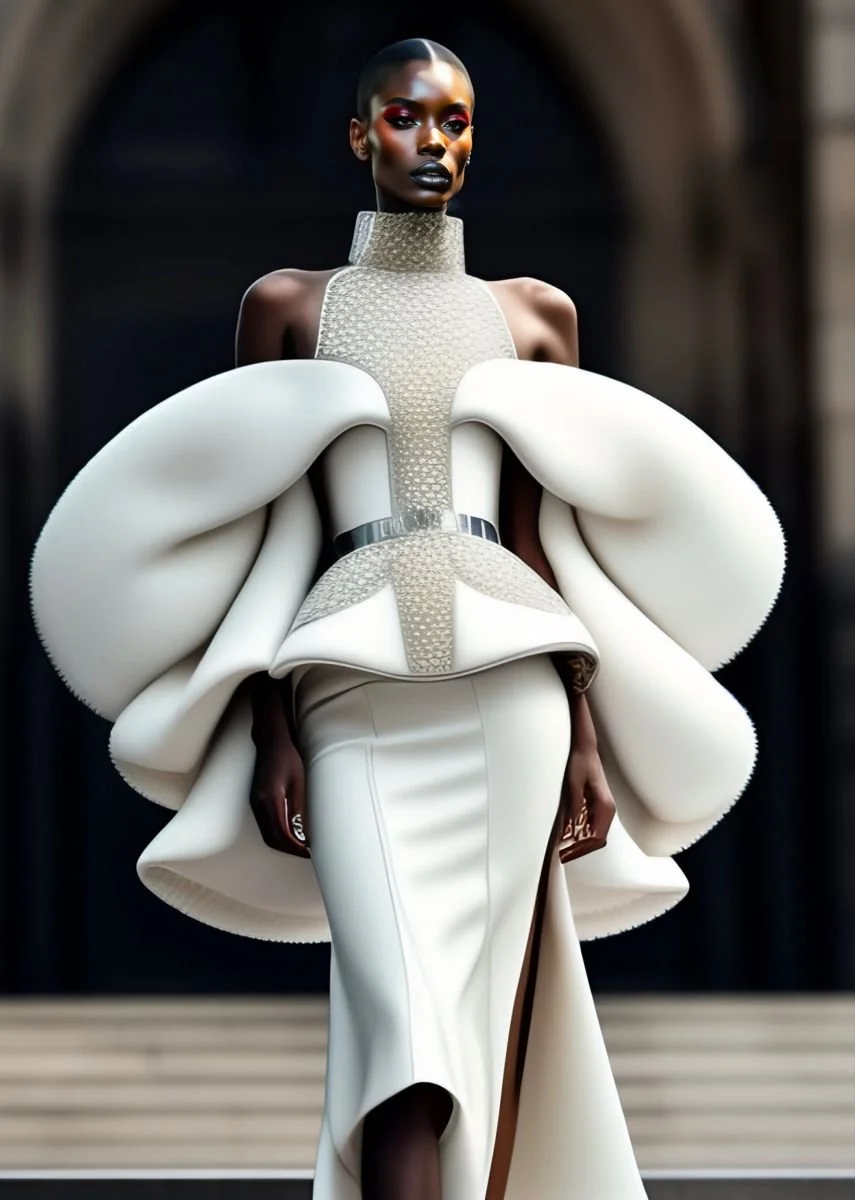
Artificial intelligence is no longer a futuristic concept reserved for science fiction or technology companies. It has quietly become one of the most powerful forces transforming the global fashion industry, changing the way clothes are designed, manufactured, marketed, sold, and even worn. What was once an industry driven primarily by human creativity and intuition is now increasingly supported by intelligent systems capable of analyzing enormous amounts of data, predicting consumer preferences, identifying emerging trends, and helping brands make faster and more profitable decisions. From luxury fashion houses to independent designers and small online boutiques, businesses of every size are embracing AI to remain competitive in a rapidly evolving marketplace where customer expectations continue to rise.
For decades, the fashion business relied heavily on experience, seasonal forecasting, and educated guesses to determine what consumers would want months before collections reached stores. Designers traveled to fashion capitals, attended runway shows, studied street style, and interpreted cultural shifts to create collections that would hopefully resonate with buyers. While creativity remains the heart of fashion, artificial intelligence has introduced an entirely new dimension to decision-making. Today’s AI-powered tools can analyze millions of social media posts, online searches, customer reviews, purchasing habits, and even weather patterns to identify trends long before they become mainstream. This allows brands to make informed decisions backed by data rather than relying solely on instinct.
The rise of fast-moving digital platforms has made speed one of the most valuable assets in fashion. Trends that once lasted an entire season can now emerge and disappear within weeks, largely driven by social media influencers and viral content. Artificial intelligence enables fashion businesses to monitor these shifts in real time, giving brands the ability to respond quickly by adjusting designs, production schedules, and marketing campaigns before competitors even recognize the opportunity. This level of responsiveness is becoming essential in an industry where timing can determine whether a product becomes a bestseller or remains unsold.
AI is also transforming the creative process itself. Designers now use intelligent software to generate fresh design concepts, experiment with patterns, create multiple color combinations, and visualize garments before producing physical samples. Instead of replacing designers, these tools act as creative partners, helping professionals explore new ideas more efficiently while reducing the time required to move from concept to production. This collaboration between human imagination and machine intelligence is opening doors to innovation that would have been difficult to achieve through traditional methods alone.

One of the most significant advantages artificial intelligence brings to fashion businesses is improved inventory management. Overstocking has long been one of the industry’s greatest financial challenges, resulting in billions of dollars’ worth of unsold clothing each year. On the other hand, underestimating demand often leads to missed sales opportunities and disappointed customers. AI systems analyze historical sales data, regional buying patterns, seasonal trends, and market conditions to forecast demand with far greater accuracy. This helps businesses produce the right quantity of products, minimize waste, reduce operational costs, and improve profitability while supporting more sustainable business practices.
Personalization has become another defining feature of the modern fashion industry, and artificial intelligence is making it possible on an unprecedented scale. Today’s consumers expect brands to understand their preferences and recommend products that align with their unique tastes. AI-powered recommendation engines study browsing history, previous purchases, preferred colors, favorite brands, and shopping behavior to present customers with highly relevant suggestions. This creates a more engaging shopping experience, increases customer satisfaction, and significantly improves conversion rates for online retailers.
Virtual fitting technology is also changing how people shop for clothing. One of the biggest obstacles in online fashion retail has always been uncertainty about size and fit. Artificial intelligence, combined with computer vision, now allows shoppers to upload photographs or body measurements and virtually try on garments before making a purchase. These innovations help customers make more confident buying decisions while reducing product returns, one of the largest expenses facing e-commerce fashion businesses. As the technology continues to improve, virtual fitting rooms are expected to become a standard feature across many online retail platforms.
Marketing strategies within the fashion industry are becoming increasingly data-driven as well. Artificial intelligence enables brands to identify the right audience, determine the best time to launch campaigns, optimize advertising budgets, and create personalized content tailored to individual consumers. Instead of broadcasting the same message to everyone, companies can now deliver highly targeted promotions based on customer interests and purchasing behavior. This level of precision improves marketing efficiency while strengthening relationships between brands and consumers. As observed by DDM News, businesses that successfully combine creativity with intelligent technology are positioning themselves for stronger long-term growth in an increasingly competitive fashion landscape.
Small fashion entrepreneurs are perhaps among the greatest beneficiaries of this technological revolution. In the past, sophisticated market research and advanced analytics were resources available mainly to large multinational brands with enormous budgets. Today, affordable AI powered platforms allow independent designers and startup clothing labels to access many of the same capabilities. Entrepreneurs can identify profitable niches, forecast demand, optimize pricing, automate customer service through intelligent chatbots, manage inventory more efficiently, and build stronger online stores without requiring large teams or substantial financial resources. This democratization of technology is creating new opportunities for innovation and competition across the industry.
Sustainability, another growing priority for consumers and regulators alike, is also receiving significant support from artificial intelligence. Fashion has long faced criticism for excessive waste, pollution, and inefficient supply chains. AI helps companies monitor production processes, reduce fabric waste during manufacturing, optimize transportation routes, and improve resource utilization throughout the supply chain. By predicting demand more accurately, businesses can avoid unnecessary overproduction, reducing the volume of unsold garments that often end up in landfills. These improvements benefit not only the environment but also the financial health of fashion companies seeking to operate more responsibly.
Despite its many advantages, artificial intelligence presents important challenges that businesses cannot ignore. Concerns surrounding data privacy, cybersecurity, intellectual property, and workforce displacement continue to shape discussions across the industry. Fashion companies must ensure that AI systems are used ethically, transparently, and responsibly while protecting customer information and respecting the creative contributions of designers. The most successful businesses will likely be those that treat AI as a powerful tool that enhances human creativity rather than attempting to replace it entirely.
Looking ahead, the relationship between fashion and artificial intelligence is expected to grow even stronger. Advances in generative AI, predictive analytics, smart manufacturing, digital fashion, and immersive shopping experiences will continue to reshape how clothing is designed, produced, marketed, and consumed. Consumers will enjoy more personalized experiences, businesses will operate with greater efficiency, and designers will have access to new creative possibilities that expand rather than limit artistic expression.
The fashion industry has always evolved alongside cultural, technological, and economic change. Artificial intelligence represents the next major chapter in that evolution, offering opportunities that extend far beyond automation. It is redefining how businesses understand customers, respond to trends, manage resources, and compete in an increasingly digital world. As DDM News continues to monitor developments across global industries, one reality is becoming increasingly clear: artificial intelligence is no longer simply influencing the fashion business it is helping shape its future, and companies that embrace this transformation responsibly will be best positioned to thrive in the years ahead.
