


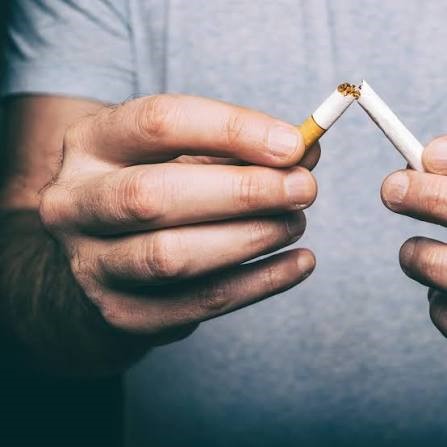
Smoking remains one of the leading preventable causes of disease and premature death worldwide. While many people associate smoking with lung cancer, health experts warn that tobacco use affects nearly every organ in the body, increasing the risk of numerous serious health conditions.
The harmful chemicals in tobacco smoke enter the bloodstream within seconds of inhalation, allowing them to damage tissues and organs throughout the body.
Brain
Smoking increases the risk of stroke by damaging blood vessels and reducing blood flow to the brain. It has also been linked to a higher risk of cognitive decline and dementia later in life.
Heart
The chemicals in cigarette smoke raise blood pressure, reduce oxygen levels in the blood, and damage blood vessels. These effects significantly increase the risk of heart attacks, heart disease, and other cardiovascular conditions.

Lungs
Smoking is the leading cause of chronic obstructive pulmonary disease (COPD), a group of lung conditions that make breathing difficult. It is also the biggest risk factor for lung cancer and can worsen asthma and other respiratory illnesses.
Mouth and Throat
Tobacco use increases the risk of cancers of the mouth, throat, voice box, and oesophagus. It can also cause bad breath, gum disease, tooth loss, and delayed healing after dental procedures.
Stomach and Digestive System
Smoking has been linked to stomach ulcers, acid reflux, Crohn’s disease, and several digestive cancers. It may also interfere with the body’s ability to absorb important nutrients.
Liver
The liver works harder to remove harmful substances from tobacco smoke. Smoking can worsen existing liver disease and may increase the risk of liver cancer.
Kidneys
Smoking damages blood vessels that supply the kidneys, increasing the risk of chronic kidney disease. It can also reduce kidney function over time, particularly in people with diabetes or high blood pressure.
Bones and Muscles
Tobacco use weakens bones, increasing the risk of osteoporosis and fractures. Smokers may also experience slower healing after injuries or surgery.
Skin
Smoking reduces blood flow to the skin and breaks down collagen, the protein responsible for keeping skin firm and elastic. This can lead to premature wrinkles, dull skin, and slower wound healing.
Reproductive Health
Smoking can reduce fertility in both men and women. During pregnancy, it increases the risk of miscarriage, premature birth, low birth weight, and other complications.
Benefits of Quitting Smoking
Health experts say the body begins to recover soon after smoking stops. Some benefits include:
- Improved heart rate and blood pressure within hours.
- Better circulation and lung function within weeks to months.
- Reduced risk of heart disease, stroke, and certain cancers over time.
- Improved breathing, energy levels, and overall quality of life.
It is never too late to quit, and the health benefits begin almost immediately.
The Bottom Line
Smoking affects far more than the lungs. It damages the brain, heart, kidneys, digestive system, bones, skin, and reproductive organs while increasing the risk of life-threatening diseases. Quitting smoking remains one of the most effective steps a person can take to improve overall health and extend life expectancy.
Disclaimer: This article is for informational purposes only and should not replace professional medical advice. Anyone seeking help to quit smoking should consult a qualified healthcare professional for guidance and available treatment options.




