


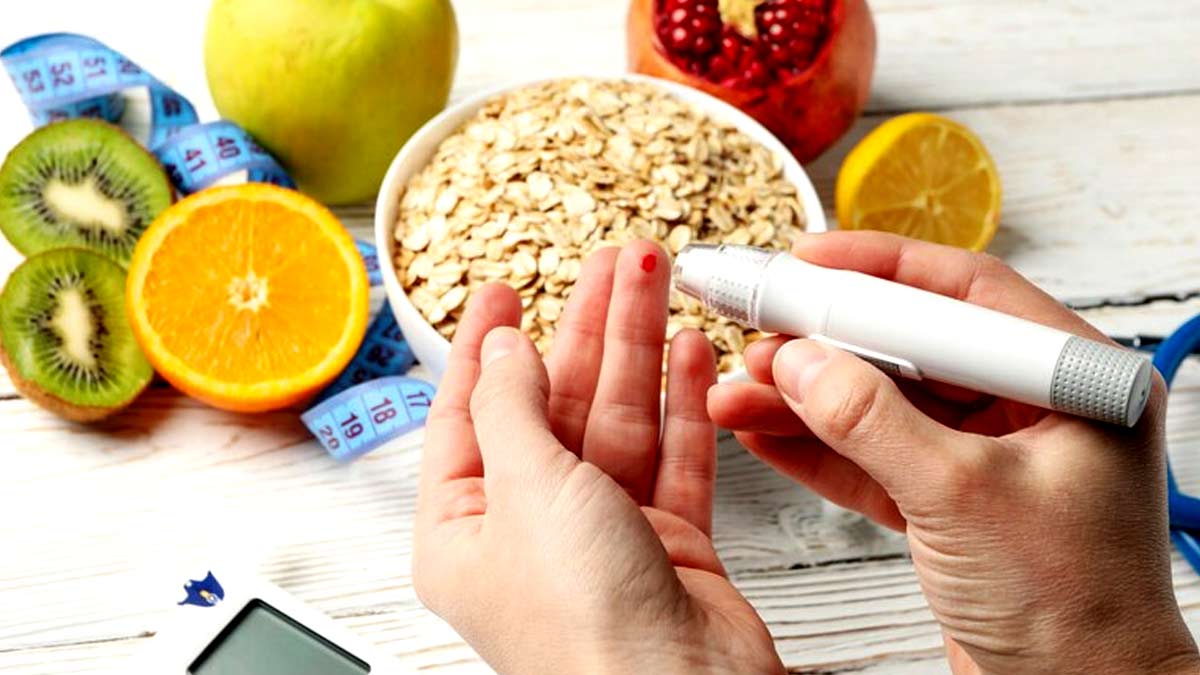
Blood sugar spikes rapid increases in blood glucose followed by sharp drops can affect energy levels, increase hunger, and over time contribute to serious health conditions such as Type 2 Diabetes and heart disease.
Health experts emphasize that consistent daily habits, particularly diet and lifestyle choices, play a major role in stabilizing blood sugar and reducing long-term health risks.
Why Blood Sugar Spikes Matter
Frequent spikes place stress on the body’s ability to regulate glucose. Over time, this can lead to insulin resistance, where the body becomes less effective at controlling blood sugar levels.
Persistent high blood sugar may also damage blood vessels, increasing the risk of complications such as stroke and cardiovascular disease.
Key Strategies to Prevent Blood Sugar Spikes
1. Reduce Carbohydrate Intake
Carbohydrates are the primary source of glucose in the bloodstream. Reducing overall intake especially simple carbohydrates can help maintain more stable blood sugar levels.

Lower-carbohydrate eating patterns have also been linked to improved weight management, which further supports blood sugar control.
2. Limit Refined Carbohydrates
Refined carbohydrates are quickly digested and absorbed, leading to rapid glucose spikes.
Common sources include:
-
White bread and white rice
-
Sugary cereals
-
Processed snacks and baked goods
Replacing these with whole grains and fiber-rich foods can slow digestion and reduce sudden increases in blood sugar.
3. Cut Back on Added Sugars
Foods and drinks high in added sugars provide little nutritional value and can cause immediate spikes in blood glucose.
Frequent high sugar intake is also associated with insulin resistance, making blood sugar harder to control over time.
4. Maintain a Healthy Weight
Excess body weight can impair the body’s ability to use insulin effectively.
Losing even a small percentage of body weight can improve blood sugar control and reduce the risk of developing diabetes-related complications.
5. Engage in Regular Physical Activity
Exercise helps the body use insulin more efficiently and encourages muscle cells to absorb glucose from the bloodstream.
Both moderate and high-intensity activities can contribute to better blood sugar regulation.
6. Increase Fiber Intake
Dietary fiber, particularly soluble fiber, slows the absorption of carbohydrates and helps prevent sharp spikes in blood sugar.
Good sources include:
-
Oats
-
Beans and lentils
-
Fruits such as apples and berries
-
Vegetables
Fiber also promotes fullness, which can help regulate overall food intake.
7. Stay Hydrated
Adequate water intake supports healthy blood sugar levels.
Dehydration can trigger hormonal responses that increase blood glucose, while proper hydration helps the body eliminate excess sugar through urine.
8. Include Vinegar in Meals
Some evidence suggests that adding small amounts of vinegar to meals may help improve insulin response and reduce post-meal blood sugar spikes.
This effect appears modest but may support overall glucose control when combined with other healthy habits.
9. Ensure Adequate Mineral Intake
Certain minerals, such as chromium and magnesium, play a role in glucose metabolism.
Foods rich in these nutrients include:
-
Leafy green vegetables
-
Nuts and seeds
-
Whole grains
-
Seafood
Adequate intake may support better insulin function.
10. Use Natural Spices Wisely
Spices such as cinnamon and fenugreek have been studied for their potential role in blood sugar control.
While results are mixed, incorporating these spices into meals may offer additional benefits when combined with a balanced diet.
11. Consider Plant Compounds
Natural compounds like berberine, found in certain plants, have shown potential in supporting blood sugar regulation.
However, individuals should approach supplements cautiously and seek medical guidance before use, especially if managing existing health conditions.
12. Address Lifestyle Factors
Stress Management
High stress levels can trigger hormonal changes that raise blood sugar. Techniques such as relaxation, exercise, and mindfulness can help reduce this effect.
Adequate Sleep
Poor sleep is linked to insulin resistance and increased cravings for high-sugar foods. Maintaining consistent sleep patterns supports better metabolic health.
Limit Alcohol Intake
Alcoholic beverages often contain added sugars and can disrupt blood sugar balance, especially when consumed in excess.
The Bottom Line
Preventing blood sugar spikes requires a combination of balanced nutrition, regular physical activity, and healthy lifestyle habits.
Focusing on whole, fiber-rich foods, limiting refined carbohydrates and sugars, staying active, and managing stress can significantly improve blood sugar stability.
Consistent daily choices remain one of the most effective ways to reduce the risk of insulin resistance and support long-term health.

