
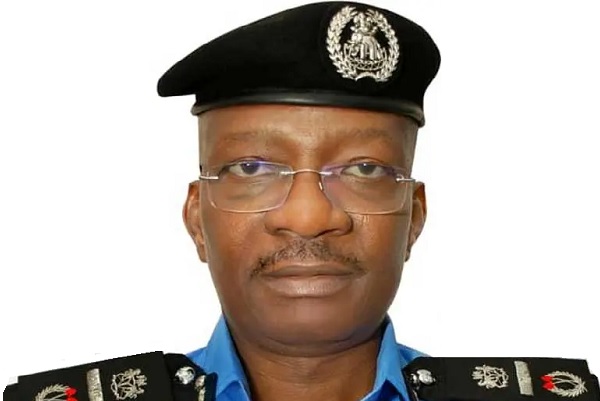
Abuja, March 23, 2025 — Nigeria‘s Inspector-General of Police (IGP) Dr. Kayode Adeolu Egbetokun ordered police officers nationwide to put an immediate end to illegal detentions, calling for strict adherence to human rights laws. Addressing through Force spokesman ACP Olumuyiwa Adejobi, Egbetokun condemned behaviors insulting the dignity and liberty of citizens, citing Sections 34 and 35 of Nigeria‘s Constitution
“Respect for human rights isn’t negotiable—it defines our duty,” Egbetokun declared. He warned that overstepping legal detention limits breaches public trust and invites disciplinary action. His directive follows rising outcries over alleged police abuses, particularly arbitrary arrests straining community relations.
Meanwhile, the police chief reminded commanders that accountability starts at the top. “Every officer must prioritize ethical conduct,” he insisted, linking professionalism to stronger public partnerships. The statement emphasized humane treatment for detainees, aligning with broader reforms to rebuild credibility.
This push comes as Nigeria’s police force undergoes modernization efforts, including sensitivity training and tech-driven oversight. Analysts see Egbetokun’s stance as pivotal in curbing decades-old misconduct patterns. “Leadership sets the tone,” said Abuja-based rights lawyer Amina Bello. “This could signal real change.”

Additionally, Egbetokun demanded station audits to identify detention irregularities. Officers face mandatory retraining on legal protocols, while whistleblowers receive protection. “No loopholes for rights violations,” the statement read, urging citizens to report abuses via revamped complaint channels.
Critics, however, urge caution. “Directives mean little without enforcement,” warned activist group Rightify Nigeria. Past pledges to punish rogue officers rarely yielded prosecutions, fueling skepticism. The police chief acknowledged these concerns, vowing transparent investigations into all allegations.
As the new measures take effect, stations nationwide display updated detention guidelines. Supervisors now monitor holding cells daily, logging entries to prevent overstay. Egbetokun also plans quarterly reviews to assess compliance, with underperforming units facing restructuring.
Human rights advocates have applauded the reforms, calling them overdue. “This aligns Nigeria with global policing standards,” said Amnesty International’s Nigeria director, Isa Sanusi. Communities report cautious optimism, though many demand faster action. “We’ll believe it when victims get justice,” said Lagos trader Chika Nwosu.
For now, the IGP’s message echoes loudly: unlawful detention erodes justice. With public trust hanging in balance, Nigeria’s police face a defining test—transforming words into lasting accountability.
Citizens can report violations through toll-free police hotlines or partner human rights groups. “Your voice matters,” Adejobi urged. “Together, we’ll restore dignity to policing.”