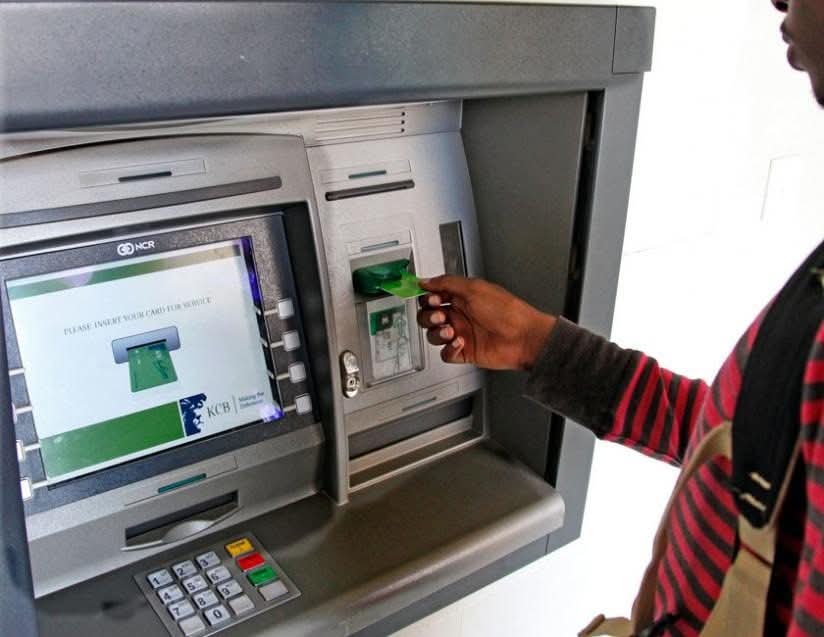
A growing wave of ATM card swap fraud is quietly devastating bank customers across Nigeria, leaving victims stunned as their savings vanish in minutes.
The scheme often unfolds inside bank premises or crowded ATM galleries, where unsuspecting customers approach machines to withdraw cash.
Instead of receiving money, many experience card capture, transaction failure, or sudden confusion as strangers offer unsolicited “help.”
Within moments, victims begin to receive debit alerts showing withdrawals, transfers, or online purchases they did not authorize.
By the time they realize their ATM cards have been swapped, their accounts are often emptied or severely depleted.

Several victims recount standing helplessly inside banking halls while alerts kept rolling in on their phones.
The fraudsters exploit distraction, urgency, and the trust people place in fellow customers or security personnel.
In many cases, criminals deliberately observe customers entering PINs before executing the swap.
Some work in pairs or groups, with one person distracting the victim while another switches the card.
Others use fake ATM cards designed to look identical to popular Nigerian bank cards.
Once the swap succeeds, the fraudsters quickly withdraw funds from nearby ATMs or transfer money electronically to mule accounts.
Victims often rush into banking halls expecting immediate reversal, only to meet slow processes and paperwork.
Banks usually instruct customers to block their cards, write statements, and wait for investigations.
For many, the damage is already done before any action can stop the fraud.
DDM observed that this crime thrives on weak surveillance, poor ATM monitoring, and limited public awareness.
Security cameras around ATMs often fail to deter criminals or produce usable evidence after incidents.
Some victims allege insider compromise, accusing bank staff or security guards of negligence or silent collaboration.
Banks routinely deny institutional involvement, insisting that customers must protect their PINs at all times.
However, victims argue that banks should provide safer ATM environments and faster response systems.
Consumer protection groups say ATM fraud is rising because penalties remain weak and prosecutions rare.
Fraudsters exploit the reality that many Nigerians depend heavily on ATMs due to cash shortages and digital payment failures.
The emotional toll on victims is severe, especially retirees, small traders, and salary earners who lose entire life savings.
Some victims report depression, sleeplessness, and financial ruin after years of disciplined saving disappear in minutes.
Law enforcement agencies admit that tracking ATM fraud syndicates remains difficult due to digital trails and fake identities.
Experts urge banks to redesign ATM layouts, improve lighting, and deploy real-time transaction monitoring.
They also recommend public education campaigns warning customers never to accept help at ATMs.
Customers are advised to shield keypads, retrieve cards immediately, and report any anomaly instantly.
As Nigeria’s cashless system expands, ATM fraud highlights the urgent need for stronger consumer protection.
Until banks, regulators, and security agencies act decisively, ATM card swap fraud will continue to silently destroy lives across the country.