



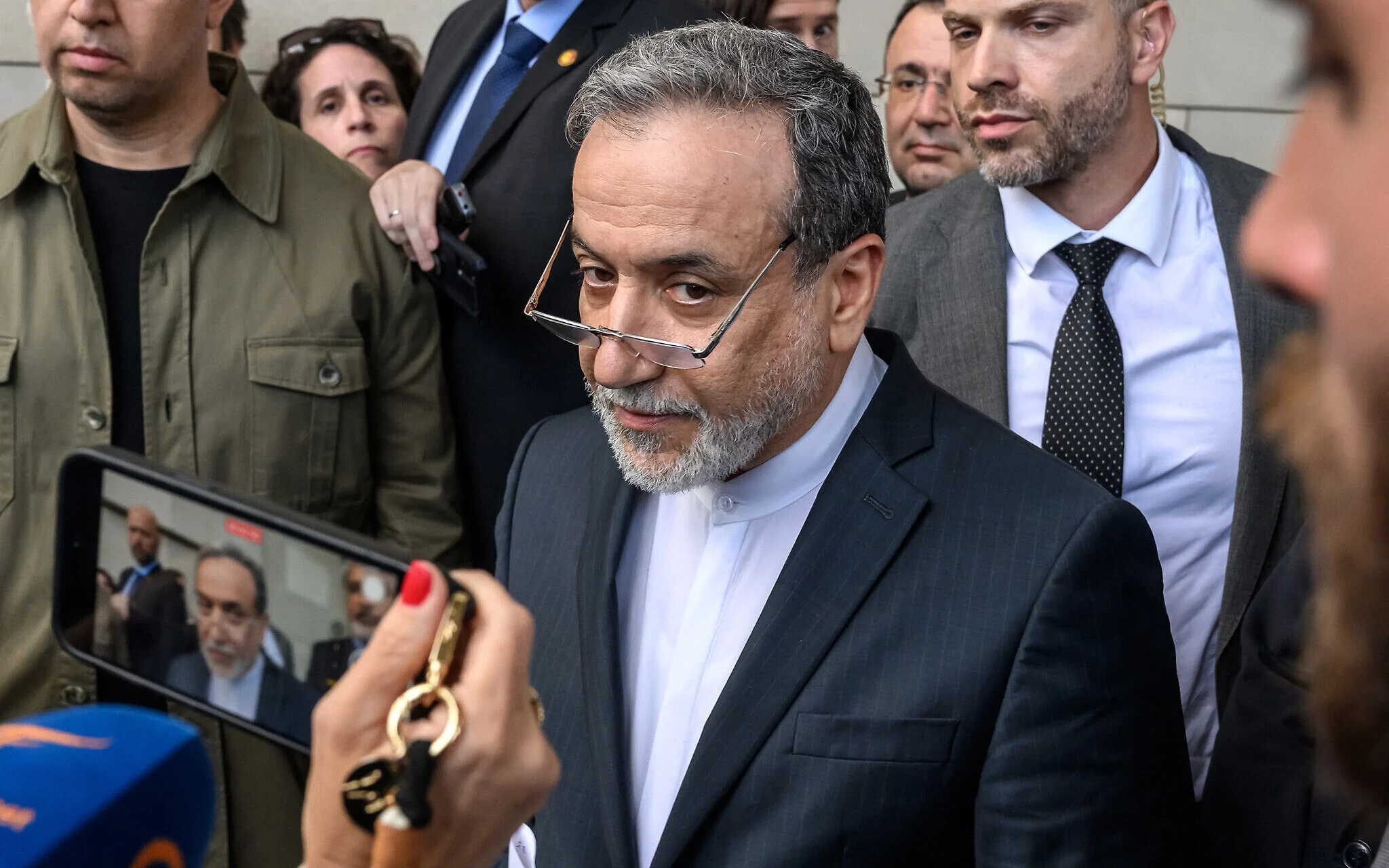
Iran has called for an emergency meeting of the United Nations nuclear watchdog following coordinated military strikes by the United States and Israel, describing the attacks as unlawful aggression based on what it termed “baseless” allegations about its nuclear programme.
In a statement posted Saturday, Iran’s mission to the Vienna-based International Atomic Energy Agency announced it had formally requested an urgent extraordinary session of the agency’s Board of Governors to address the escalating crisis.
The request was contained in an official letter addressed to the agency’s Director-General, Rafael Grossi, urging immediate international scrutiny of what Tehran described as false accusations used to justify military action against the country.
“In light of ongoing acts of aggression by the US and Israeli regimes, an urgent extraordinary meeting is required,” Iran’s diplomatic mission said, adding that “baseless claims, vicious threats and wrongful acts of aggressors against Iran’s peaceful nuclear programme must be addressed immediately.”
Nuclear Dispute at Centre of Conflict

The latest diplomatic move comes after large-scale strikes hit several Iranian cities on Saturday, triggering explosions and heavy plumes of smoke across the capital, Tehran. Israeli authorities described the operation as a “pre-emptive strike,” while Washington said the attacks were aimed at neutralising imminent security threats.
Western governments, led by the United States and Israel — widely believed by experts to be the Middle East’s only nuclear-armed state — have long accused Tehran of pursuing nuclear weapons capability. Iran has consistently denied the allegations, maintaining that its nuclear programme is intended solely for civilian energy and research purposes.
The IAEA had earlier stressed the “utmost urgency” of verifying Iran’s nuclear materials, according to a confidential report cited by international media, highlighting growing global concern before the outbreak of hostilities.
Director-General Grossi had participated in US-Iran discussions earlier in February, talks viewed by observers as among the final diplomatic efforts to prevent military confrontation.
US and Israel Defend Military Action
US President Donald Trump said the objective of the operation was to eliminate threats posed by Iran’s military capabilities.
In a video message released on social media, Trump declared that American forces had begun “major combat operations” inside Iran.
“We are going to destroy their missiles and raze their missile industry to the ground,” he said, adding that Iran’s naval capabilities would also be targeted.
Israeli Defence Minister Israel Katz described the strikes as preventive measures aimed at stopping future attacks against Israel.
Iran Retaliates, Pentagon Reports Limited Damage
Iran responded with missile and drone attacks targeting US-linked military installations across the region. However, the US Department of Defense said no American casualties had been reported.
According to the United States Central Command (CENTCOM), American and allied defence systems intercepted hundreds of incoming missiles and drones during the retaliation.
The Pentagon added that damage to US facilities was minimal despite the scale of the assault.
Rising Diplomatic and Security Concerns
The exchange of strikes has heightened fears of a broader regional conflict, prompting emergency diplomatic consultations among European and Middle Eastern governments.
Analysts warn that Iran’s appeal to the IAEA signals a parallel diplomatic battle unfolding alongside military escalation, as Tehran seeks international backing while hostilities continue.
With retaliatory attacks ongoing and diplomatic channels under strain, global attention is now focused on whether international institutions can help prevent the crisis from spiralling into a wider war.



 and then