
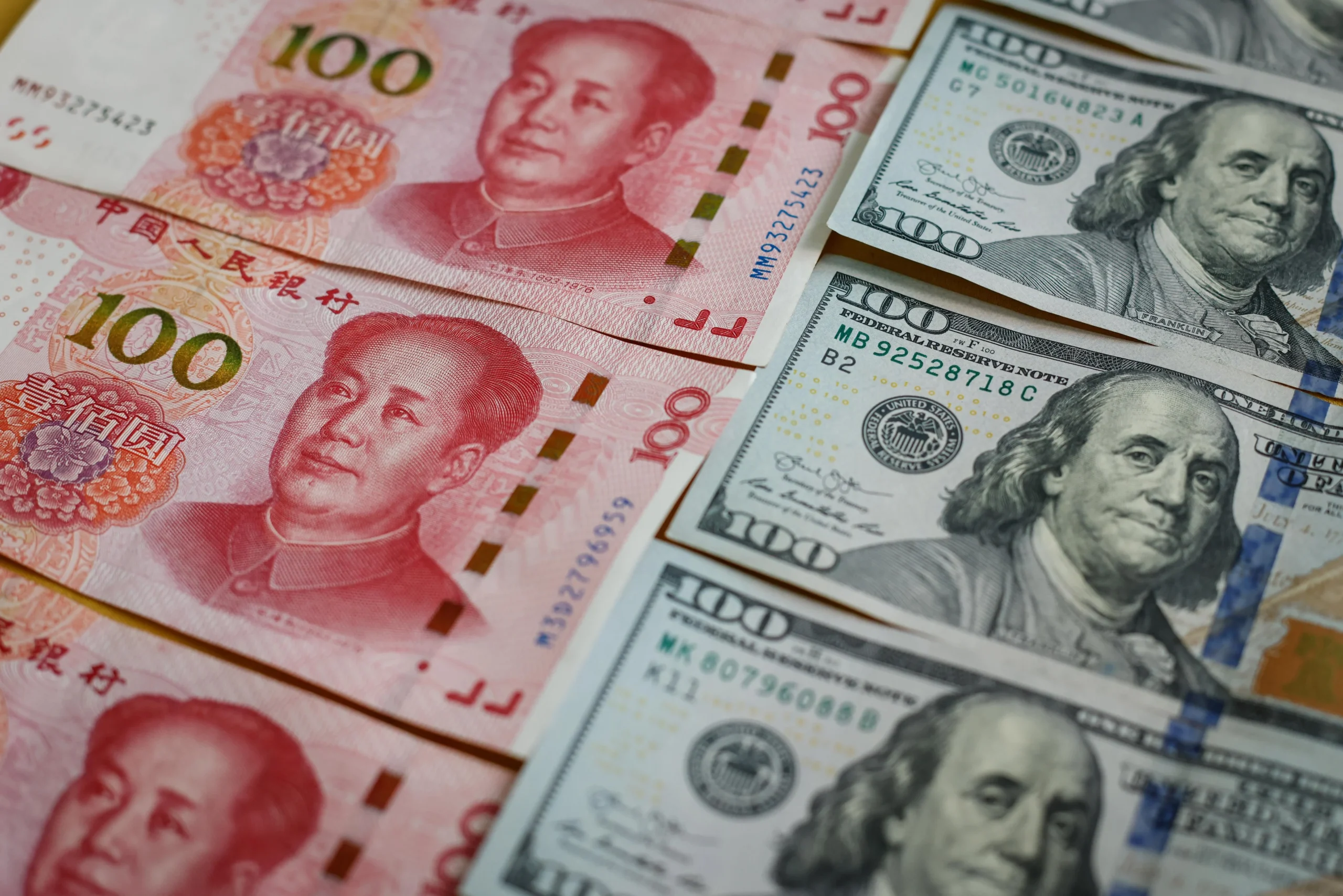
A dramatic shift appears to be unfolding in the global financial landscape as China’s currency, the yuan, records unprecedented levels of cross-border transactions, a surge that analysts increasingly link to the intensifying conflict involving Iran and broader instability in the Middle East. In what is being described as a landmark moment for Beijing’s long-standing ambition to internationalize its currency, China’s Cross-border Interbank Payment System has witnessed a historic spike in activity, signaling a possible recalibration of global trade and payment dynamics.
According to emerging financial data, the Cross-border Interbank Payment System, widely known as CIPS, recorded a single-day transaction value exceeding 1.22 trillion yuan, equivalent to approximately $178.5 billion. This milestone represents the highest volume ever processed by the system in a single day and underscores the growing reliance on yuan-denominated transactions in international trade. The figure is particularly striking given the steady but less dramatic growth trajectory the system has followed in recent years, suggesting that recent geopolitical developments may have accelerated an already evolving trend.
At the heart of this surge lies the ongoing crisis involving Iran, which has introduced fresh uncertainties into global markets, particularly in energy trade. Analysts point to the conflict as a significant catalyst, noting that countries seeking to avoid exposure to Western financial systems, especially those denominated in US dollars, are increasingly turning to alternative mechanisms. In this context, the yuan has emerged as a viable option, supported by China’s expanding financial infrastructure and strategic partnerships across Asia, the Middle East, and beyond.
DDM News gathered that one of the most notable drivers of the increased demand for yuan settlements is the oil trade. With tensions disrupting traditional trading routes and financial channels, energy transactions are gradually shifting toward currencies that offer greater flexibility and reduced geopolitical risk. The yuan’s growing acceptance in oil settlements marks a significant development, as the global energy market has historically been dominated by the US dollar. This shift, while still in its early stages, could have far-reaching implications for the balance of economic power worldwide.

The momentum behind the yuan is further reflected in broader transaction trends observed over recent months. In March alone, the average daily transaction value within the CIPS network rose sharply to over 920 billion yuan, representing a substantial increase compared to the previous month. Transaction volumes also surged, with daily averages climbing from just under 26,000 to more than 35,000 transactions. These figures indicate not only a rise in value but also a growing number of participants and transactions, pointing to deeper integration of the yuan into global financial systems.
Experts attribute this growth to a combination of factors beyond the immediate geopolitical climate. China’s sustained investment in cross-border payment infrastructure has played a crucial role, enabling faster, more efficient, and more secure transactions across borders. Additionally, the relative stability of the yuan compared to other currencies has made it an attractive option for countries seeking to hedge against volatility in global markets. This stability has been particularly important in a period marked by fluctuating exchange rates and economic uncertainty.
DDM News understands that Beijing’s long-term strategy has been to reduce dependence on the US dollar and to position the yuan as a major global reserve currency. The recent surge in CIPS transactions suggests that these efforts are beginning to yield tangible results. By expanding the network of financial institutions participating in the system and strengthening bilateral trade agreements that encourage yuan usage, China has laid the groundwork for a more diversified global payment ecosystem.
The implications of this development extend beyond China and its immediate trading partners. A growing adoption of the yuan in international transactions could challenge the dominance of the US dollar, potentially reshaping global financial norms. While the dollar remains the world’s primary reserve currency, the rise of alternative systems like CIPS introduces new dynamics that could gradually erode its supremacy, particularly in regions seeking greater financial independence.
At the same time, the transition is unlikely to be immediate or without challenges. Analysts caution that the yuan still faces significant hurdles, including regulatory constraints, limited convertibility, and concerns about transparency within China’s financial system. However, the current trajectory suggests that these obstacles are being addressed incrementally, as Beijing continues to refine its policies and expand its global financial footprint.
The role of geopolitical tensions in accelerating this shift cannot be overstated. The Iran conflict, in particular, has highlighted the vulnerabilities of existing financial systems and the need for alternatives that can operate outside the influence of traditional power structures. As countries navigate an increasingly complex global environment, the appeal of diversified payment options is likely to grow, further boosting the yuan’s prospects.
In the foreign exchange market, the yuan has also demonstrated resilience, maintaining a relatively strong position against the US dollar. Recent trading data indicates that the offshore yuan has been strengthening, reflecting increased confidence among investors and traders. This trend not only reinforces the currency’s attractiveness but also supports its broader adoption in international trade.
Ultimately, the record-breaking surge in yuan settlements represents more than just a financial milestone; it signals a potential turning point in the global economic order. As China continues to expand its influence and as geopolitical tensions reshape traditional alliances, the role of the yuan is set to become increasingly significant.
As DDM News continues to monitor developments, it is clear that the intersection of geopolitics and finance is driving profound changes in how the world conducts trade and manages economic relationships. The events unfolding today may well define the financial architecture of tomorrow, with the yuan poised to play a central role in that transformation.