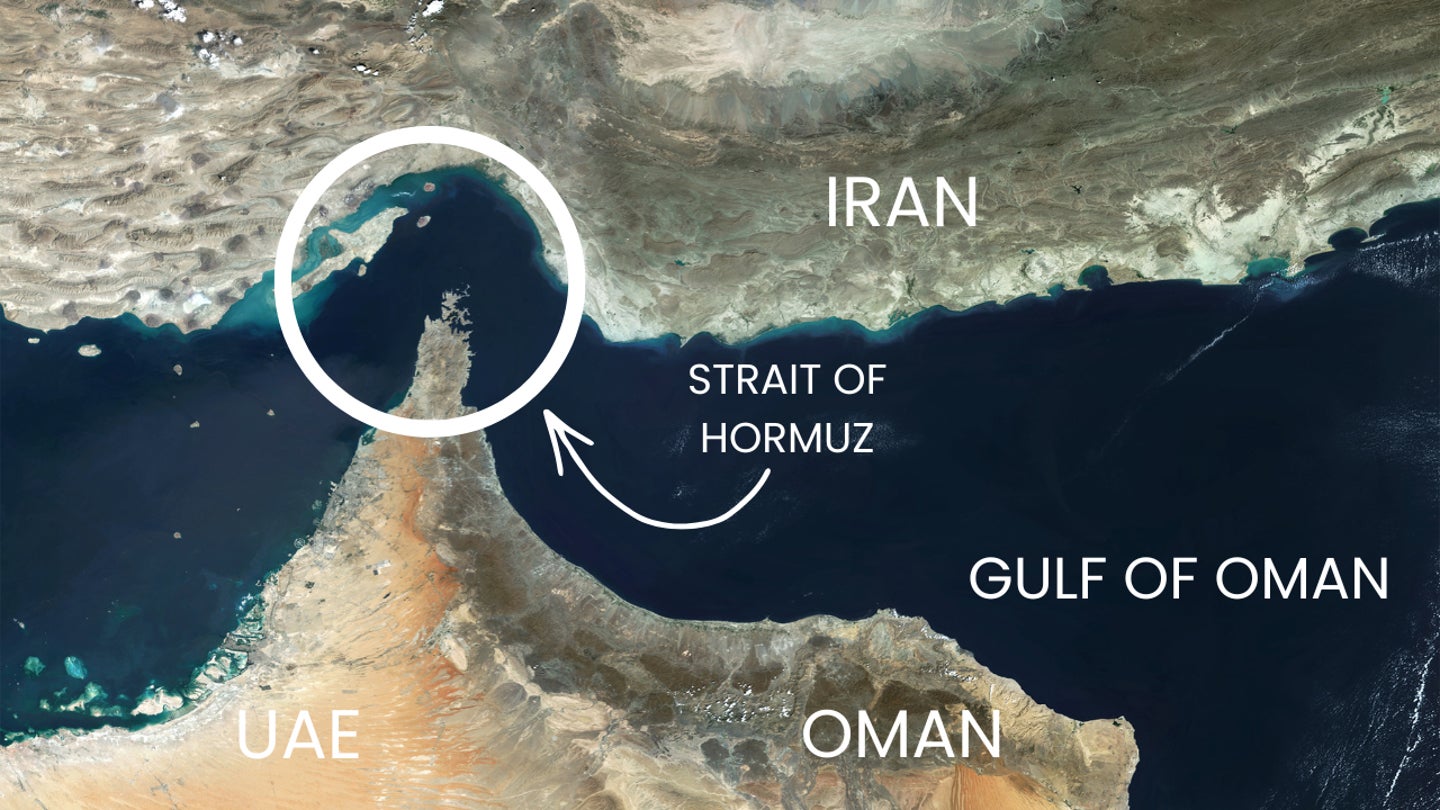
Amid ongoing tensions linked to the fragile ceasefire between the United States and Tehran, Iranian authorities have announced the opening of alternative shipping routes through the Strait of Hormuz, citing safety concerns over possible sea mines.
Iran’s Revolutionary Guards instructed vessels to avoid traditional shipping lanes and instead use alternative passages through the strait.
The move, according to local media, is aimed at reducing the risk of collisions with suspected naval mines while maintaining maritime safety.
The directive comes as part of broader adjustments following a temporary two-week ceasefire agreement with the United States, reached amid escalating regional tensions.

The Strait of Hormuz remains one of the world’s most critical energy chokepoints, responsible for handling roughly one-fifth of global crude oil exports.
Any disruption to traffic through the waterway can have immediate effects on global oil prices and shipping routes.
Iran’s earlier restrictions on the strait had contributed to a surge in oil prices and disrupted global energy supply chains.
While the reopening of alternative routes may ease immediate pressure, concerns persist over maritime safety and regional stability.
The ceasefire agreement, reached shortly before a deadline set by U.S. President Donald Trump, remains fragile, with both sides accusing each other of violations.
Although the new routing measures may temporarily stabilize shipping activity, analysts warn that uncertainty remains high.
Shipping companies are still cautious due to the risk of unexploded mines and continued geopolitical instability in the region.
While Iran’s directive provides a short-term solution to keep maritime traffic moving, the situation in the Gulf remains volatile.
Energy markets and global shipping routes continue to be closely watched as tensions between Washington and Tehran evolve.