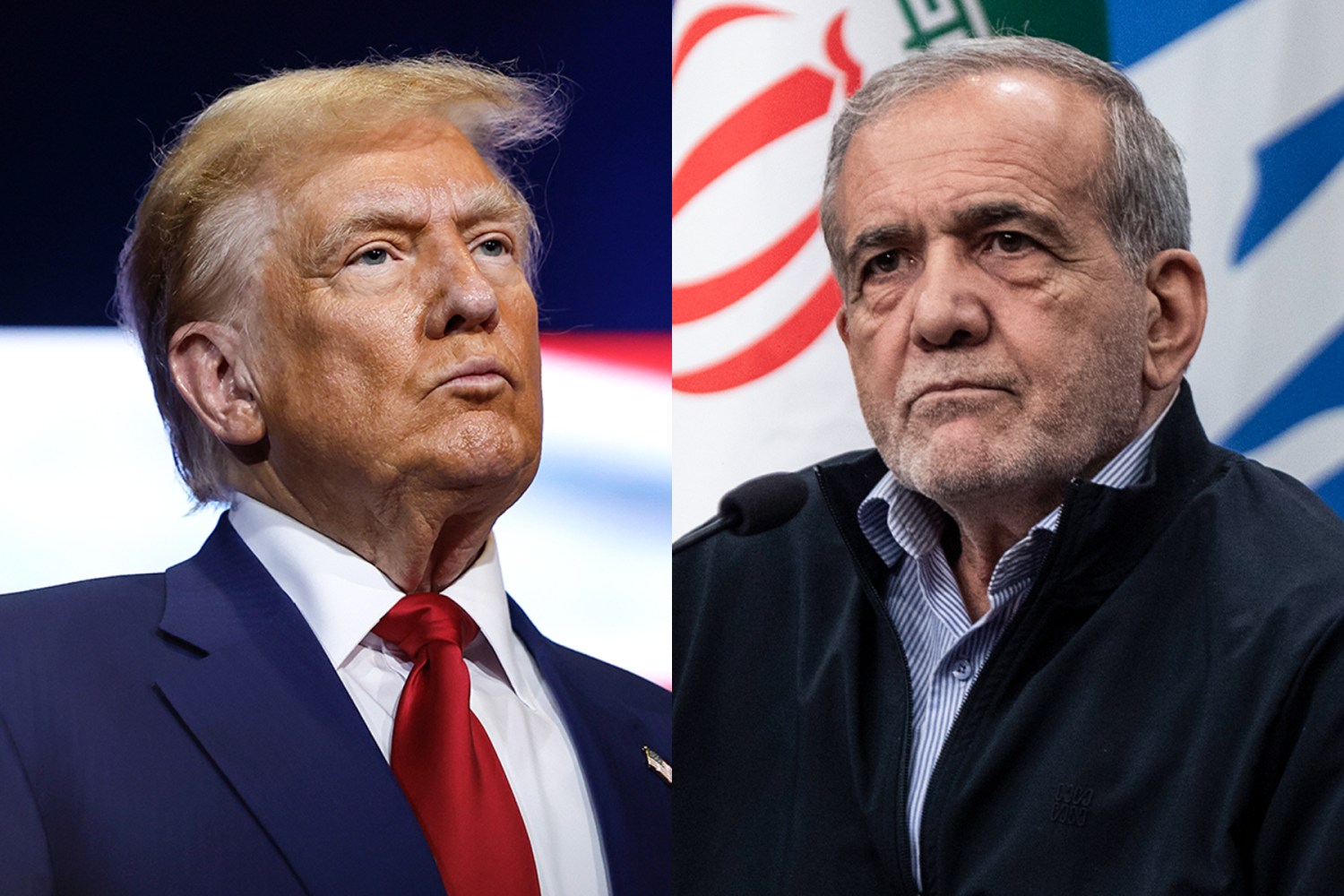
Iran has ruled out any negotiations with the United States as tensions continue to escalate across the Middle East following deadly military exchanges involving Iran, the United States and Israel.
The Secretary of Iran’s Supreme National Security Council, Ali Larijani, declared on Monday that Tehran would not return to diplomatic talks with Washington, dismissing reports suggesting otherwise.
Larijani made the statement in a post on social media platform X, responding to a report by The Wall Street Journal claiming he was considering renewed negotiations with the United States.
“We will not negotiate with the United States,” Larijani wrote, firmly rejecting the suggestion of diplomatic engagement.
The announcement comes as the confrontation between Iran, Israel and the United States entered its third day, following coordinated airstrikes launched on Saturday by U.S. and Israeli forces inside Iran.

The strikes reportedly killed Iran’s former Supreme Leader, Ayatollah Ali Khamenei, triggering widespread retaliation by Tehran.
In response, Iran launched multiple waves of missile and drone attacks targeting Israel and U.S. military installations across Gulf countries, prompting airspace closures and heightened security alerts throughout the region.
The violence has expanded beyond Iran and Israel, with Hezbollah fighters firing missiles and drones from southern Lebanon toward northern Israel on Sunday night, further intensifying fears of a broader regional war.
In separate posts, Larijani accused U.S. President Donald Trump of dragging the region into conflict and risking American lives in support of Israel.
“Trump’s wishful thinking has dragged the whole region into an unnecessary war,” Larijani said, adding that the U.S. leader was sacrificing American “treasure and blood” to advance what he described as Israeli Prime Minister Benjamin Netanyahu’s expansionist ambitions.
The Iranian official also warned that Tehran’s military response would intensify.
“Yesterday Iran fired missiles at the United States and Israel, and they did hurt. Today we will hit them with a force that they have never experienced before,” he said.
The exchange of threats and military actions has heightened concerns among global leaders about the risk of a wider Middle East conflict, as attacks and counterattacks continue across multiple countries.