


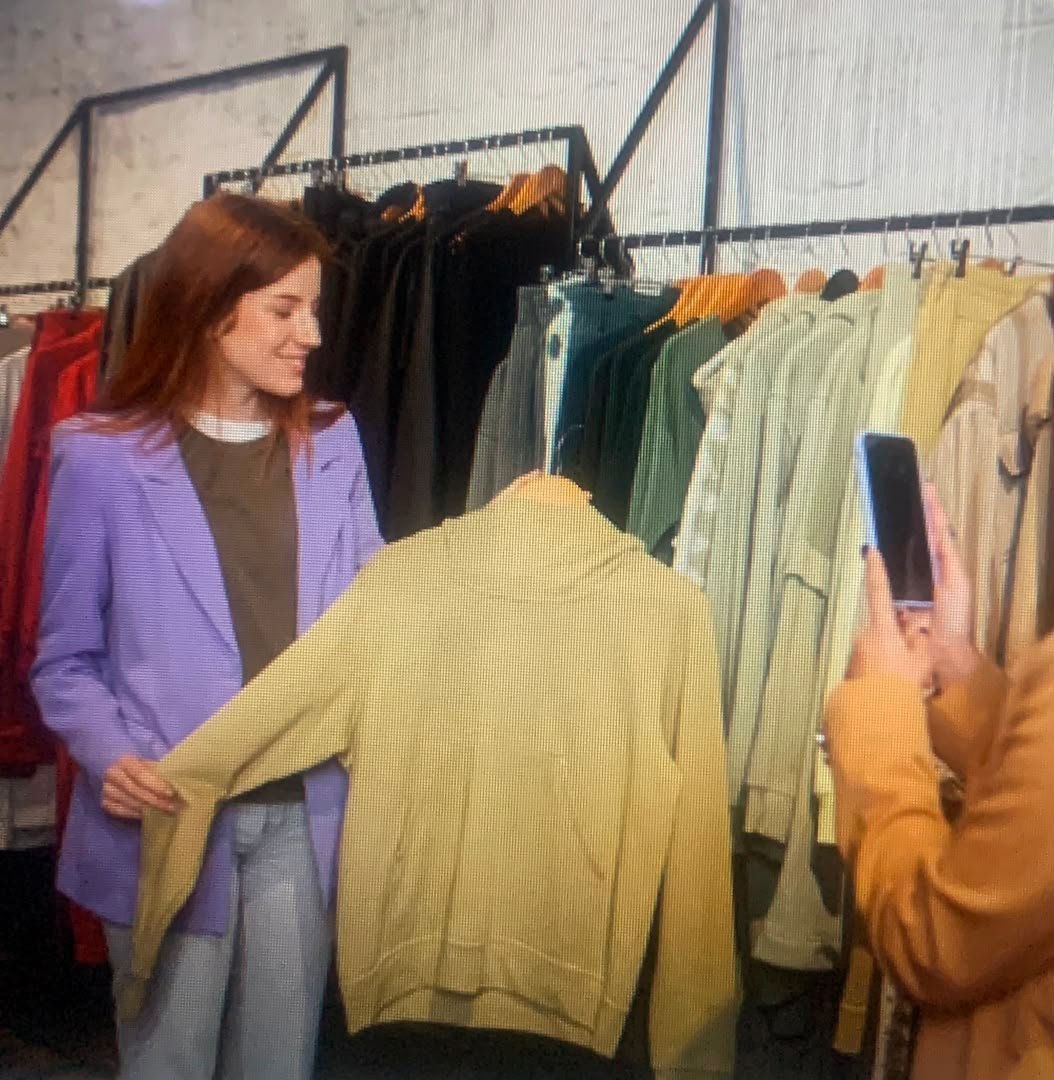
The global fashion industry is experiencing one of the most profound transformations in its history, as the rise of digital media continues to redefine how brands are created, marketed, and consumed. For generations, fashion was primarily judged by craftsmanship, originality, fabric quality, and design innovation. Designers earned recognition through years of dedication, collections were unveiled on prestigious runways, and consumers often made purchasing decisions based on durability, tailoring, and brand heritage. Today, however, a different reality is emerging. In an age dominated by TikTok, Instagram, YouTube, and other digital platforms, fashion is no longer just about the clothes people wear it is increasingly about the content people watch, share, and engage with. This dramatic shift has sparked a growing debate across the industry: is fashion becoming more about content than clothing?
The question reflects a broader change in consumer culture. Modern shoppers are constantly connected to their smartphones, spending hours each day scrolling through videos, photographs, live streams, and influencer posts. Rather than discovering new collections in shopping malls or glossy fashion magazines, consumers now encounter trends while watching lifestyle creators, fashion influencers, celebrities, and everyday users showcase outfits in entertaining and highly relatable ways. The result is a marketplace where attention often determines success long before product quality enters the conversation.
Content has become the new storefront. Every short video, behind-the-scenes clip, styling tutorial, unboxing experience, and customer review has the potential to influence purchasing decisions on a massive scale. A garment that appears ordinary on a retail shelf can suddenly become one of the most sought-after fashion items after being featured in a viral video. Consumers are no longer simply buying shirts, dresses, sneakers, or handbags; they are buying into a story, a lifestyle, an aesthetic, and an online identity that content creators present to millions of viewers every day.
One of the defining characteristics of this new era is the speed at which trends emerge and disappear. In previous decades, fashion trends evolved gradually, often lasting entire seasons or even years. Today, a single viral video can launch a trend that dominates social media within hours and fades just as quickly when audiences move on to the next exciting piece of content. Fashion has become deeply intertwined with the fast-moving nature of digital entertainment, where visibility and engagement often carry as much weight as creativity and craftsmanship.

This evolution has fundamentally changed the priorities of many fashion brands. Marketing departments now invest enormous resources into producing engaging digital content that captures consumer attention within the first few seconds. Instead of focusing exclusively on product catalogs and traditional advertising campaigns, companies create cinematic short films, interactive live streams, influencer collaborations, humorous skits, styling challenges, and user-generated campaigns designed to encourage sharing and discussion. Success is increasingly measured by views, likes, shares, comments, and engagement rates alongside revenue and profit margins.
For emerging fashion businesses, this shift presents unprecedented opportunities. Unlike previous generations, entrepreneurs no longer require enormous advertising budgets to gain national or international recognition. A compelling piece of content can introduce an unknown brand to millions of potential customers almost instantly. Creative storytelling has become one of the industry’s most valuable competitive advantages, allowing smaller businesses to compete directly with globally established fashion houses. A startup operating from a modest studio can achieve remarkable visibility if its content resonates with online audiences.
The influence of content creators has further accelerated this transformation. Social media personalities have become some of the most powerful marketing forces in modern retail because they cultivate authentic relationships with their followers. Consumers often perceive creators as trusted individuals rather than traditional advertisers. When a creator genuinely incorporates a fashion product into daily life, audiences frequently interpret the recommendation as more credible than a professionally produced commercial. This trust translates directly into purchasing behavior, enabling relatively unknown brands to experience dramatic sales increases within hours of appearing in a viral post.
The growing emphasis on content has also influenced how fashion products are designed. Many brands now consider how garments will appear in photographs and videos as carefully as they consider comfort or construction. Bold colors, oversized silhouettes, unique textures, eye-catching accessories, and visually striking details are often developed with social media visibility in mind. Designers increasingly recognize that a product capable of generating conversation online may outperform a technically superior item that attracts little digital attention.
Consumer behavior has evolved alongside these industry changes. Purchasing decisions are no longer based solely on practical needs such as warmth, durability, or affordability. Many shoppers seek products that enhance their online presence, complement their personal brand, and create visually appealing content for their own social media profiles. Clothing has become a tool for digital self-expression, allowing individuals to communicate identity, creativity, confidence, and lifestyle through carefully curated online images and videos. Fashion has expanded beyond physical appearance into the realm of digital storytelling.
However, this content-driven economy has also generated criticism from designers, sustainability advocates, and industry analysts. Some argue that the relentless pursuit of viral attention encourages overconsumption, short-lived trends, and disposable purchasing habits. Consumers may buy clothing not because they genuinely need it or appreciate its quality but because it is temporarily popular online. Once the trend fades, those items often lose their appeal, contributing to increased textile waste and environmental challenges. Critics warn that the emphasis on content risks reducing fashion to a cycle of constant novelty rather than thoughtful design and lasting value.
Another concern involves the growing pressure placed on fashion brands to become media companies. Businesses that once focused primarily on producing exceptional garments must now invest heavily in video production, photography, influencer partnerships, social media management, and digital analytics simply to remain competitive. Smaller brands may possess extraordinary design talent but struggle to compete if they cannot consistently produce engaging online content. In this environment, creative marketing skills can sometimes overshadow traditional craftsmanship, leading many to question whether commercial success still accurately reflects design excellence.
Despite these concerns, many experts believe content and clothing are not necessarily competing forces but complementary elements of modern fashion. Exceptional products still matter because customer satisfaction determines whether buyers return after the initial excitement fades. Viral videos may generate first-time purchases, but lasting brand success depends on quality, reliability, customer service, and trust. Content captures attention, while well-made clothing builds loyalty. The most successful fashion companies understand that sustainable growth requires excellence in both areas rather than choosing one at the expense of the other.
As DDM News continues to follow the rapid evolution of the global fashion industry, it is becoming increasingly evident that digital content has transformed from a marketing tool into one of the industry’s most influential commercial assets. Brands capable of telling compelling stories, building engaged communities, and creating memorable online experiences are gaining significant competitive advantages in an increasingly crowded marketplace. The ability to inspire conversations has become nearly as valuable as the ability to design outstanding garments.
Looking toward the future, the relationship between fashion and content is expected to deepen as technology continues to reshape consumer experiences through artificial intelligence, augmented reality, livestream shopping, and immersive digital platforms. Clothing will always remain the foundation of the fashion industry, but the stories surrounding those garments are becoming equally powerful drivers of consumer interest and business growth. As DDM News observes this continuing transformation, one conclusion stands out with remarkable clarity: in today’s digital economy, fashion is no longer defined solely by what people wear but also by the content that shapes how those garments are discovered, desired, discussed, and remembered across the world.




