(DDM) – The Akwa Ibom State Government has declared two medical doctors wanted after they allegedly abandoned their posts despite years of state-sponsored training.
Diaspora Digital Media (DDM) gathered that the doctors, identified as Dr. Uduakabasi Ita, a consultant radiologist, and Dr. Mfonobong Bassey, a consultant haematologist, were beneficiaries of an extensive eight-year government-funded medical program.
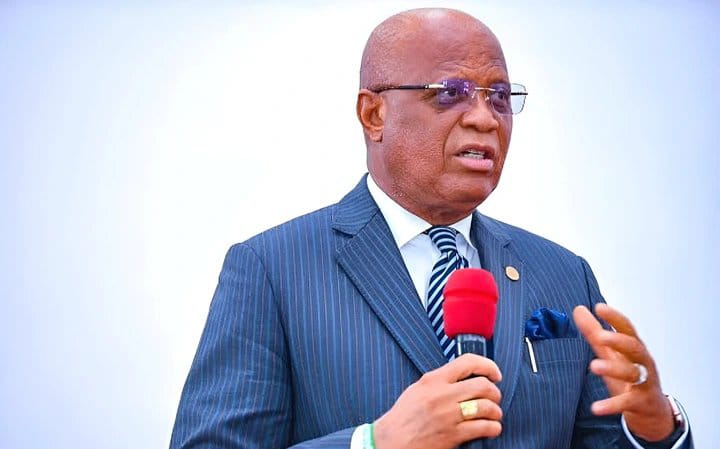
According to the Commissioner for Health, Dr. Ekem John, both doctors failed to complete the mandatory service years required of them as part of the agreement with the state government.
The commissioner disclosed that the state has already stopped paying their salaries, while formal notifications have been sent to relevant medical regulatory bodies.
He revealed that the Medical and Dental Councils of Nigeria may soon take disciplinary measures that could bar the two doctors from further practice within the country.

John stressed that the government cannot continue to invest heavily in human capital development, only for beneficiaries to abscond in search of greener pastures.
The commissioner urged families and associates of the wanted doctors to prevail on them to return and fulfill their obligations to the people of Akwa Ibom State.
He warned that failure to comply would compel the government to pursue legal options, including demanding full refunds of the training costs spent on both specialists.
John emphasized that Governor Umo Eno’s administration, through the ARISE Agenda, has placed healthcare at the center of its development vision.
He noted that the government is working to address critical shortages of medical personnel across the state, particularly in rural areas where access to specialists remains limited.
Observers said the case highlights a growing national challenge in Nigeria’s health sector, where state-sponsored medical professionals often leave for private practice or foreign opportunities after completing costly training.
In recent years, brain drain in the medical profession has worsened as Nigerian doctors and nurses relocate abroad in search of better pay and improved working conditions.
Stakeholders argue that without strict enforcement of agreements and improved welfare packages, states will continue to lose trained specialists despite huge investments in healthcare education.
Health experts also caution that the state’s approach may spark debates about balancing enforcement with providing conducive environments that encourage professionals to remain in Nigeria.
Meanwhile, the declaration of the two consultants as wanted marks one of the most decisive steps yet by any Nigerian state government to enforce compliance.
The controversy is expected to trigger discussions among medical professionals, policymakers, and the public about the sustainability of government-sponsored medical training programs in the face of ongoing brain drain.