Iran has reportedly begun laying naval mines in the Strait of Hormuz, a critical global shipping route responsible for transporting about one-fifth of the world’s crude oil supply, according to sources familiar with U.S. intelligence assessments.
According to CNN report, mining operation is said to be limited so far, with only a few dozen mines reportedly deployed in recent days.
However, officials warn that Iran still retains the majority of its small boats and mine-laying vessels, meaning it could rapidly expand the operation if tensions escalate.
The waterway is effectively controlled by Iran’s Islamic Revolutionary Guard Corps (IRGC) alongside the country’s conventional navy.
Security analysts say the IRGC has the capacity to deploy numerous mine-laying craft, explosive-laden boats and coastal missile batteries capable of threatening vessels attempting to pass through the strait.

Iran had earlier warned that ships attempting to use the strategic passage could be targeted.
Since the conflict with the United States and Israel intensified, the strait has largely been shut to commercial traffic, with some officials describing it as extremely dangerous for shipping.
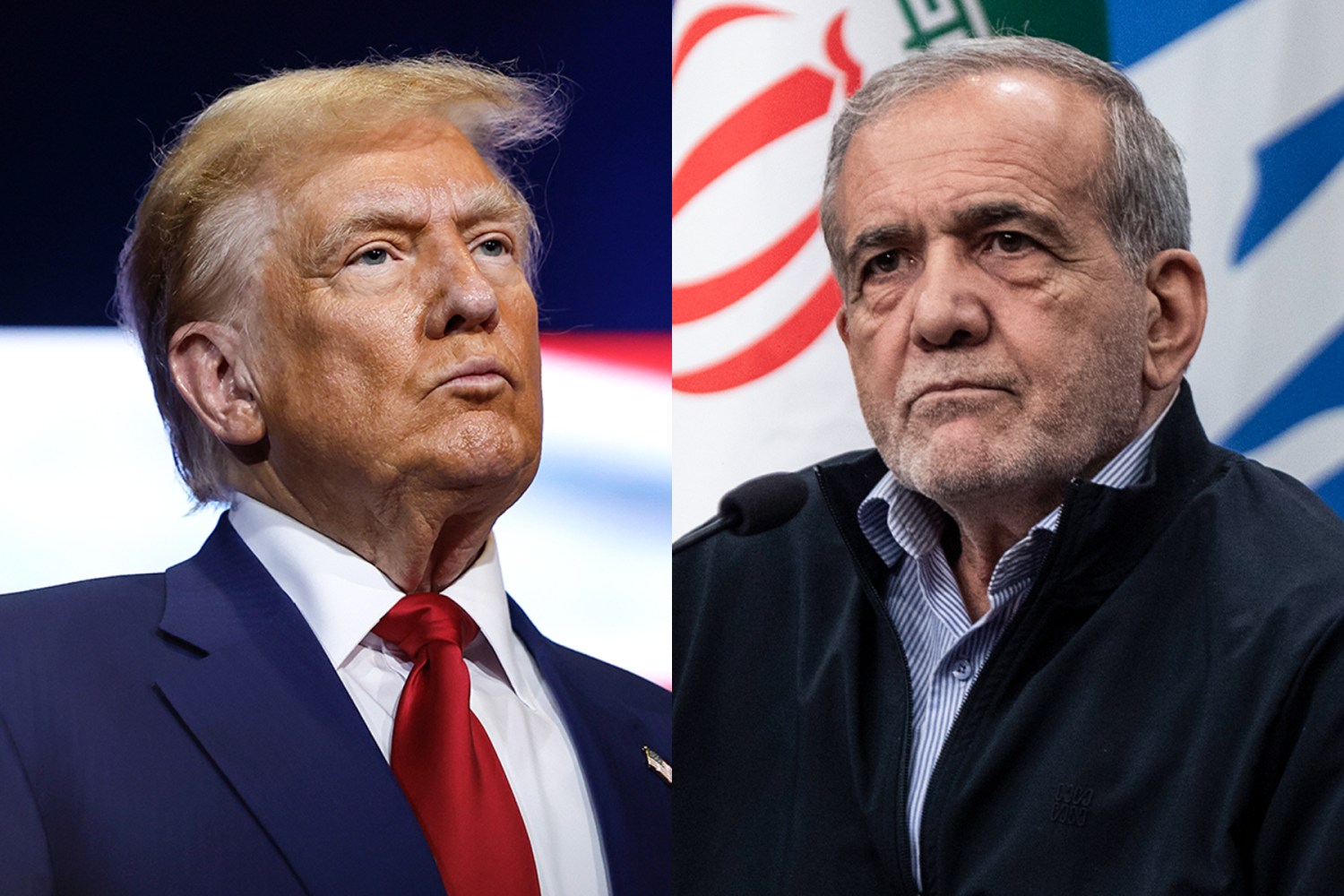
U.S. officials say the United States Navy has not yet escorted vessels through the waterway, although President Donald Trump said his administration is considering options to ensure safe passage.
In a post on social media, Trump warned Iran to remove any mines immediately.
“If Iran has put out any mines in the Hormuz Strait, we want them removed immediately,” the president wrote, adding that failure to do so could result in severe military consequences.
U.S. Defence Secretary Pete Hegseth also said American forces had begun targeting suspected mine-laying vessels in the area under orders from the president.
The closure of the strategic waterway has already disrupted global energy flows.
Analysts estimate that nearly 15 million barrels of crude oil per day, along with about 4.5 million barrels of refined fuel, are currently unable to move through the Gulf because producers such as Iraq and Kuwait rely almost entirely on the route for exports.
The disruption has triggered extreme volatility in global oil markets, with prices fluctuating sharply as traders react to uncertainty surrounding the security of the shipping lane.
Leaders of the Group of Seven (G7) economies have indicated they may consider releasing strategic oil reserves if supply shortages worsen