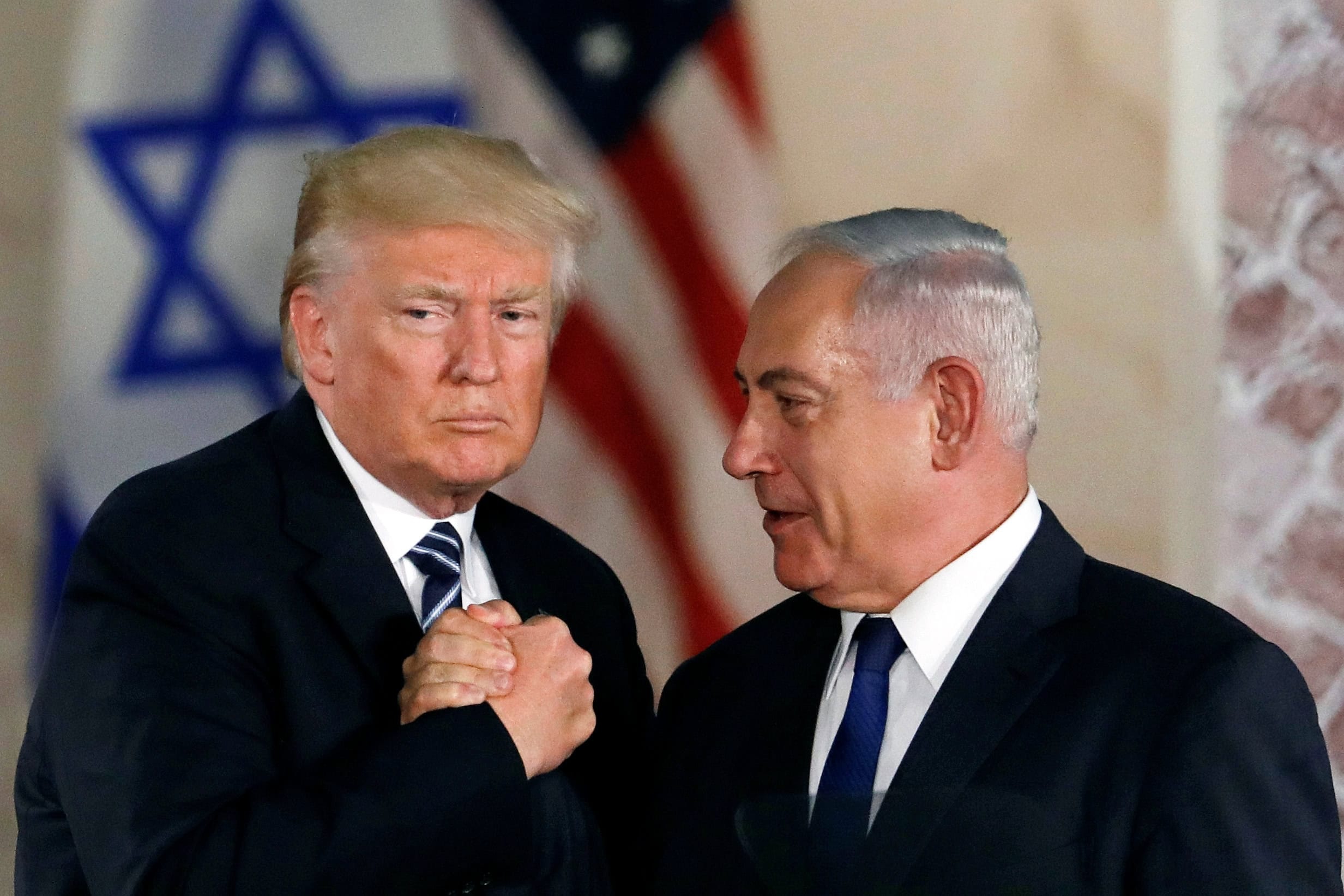
Israeli Prime Minister Benjamin Netanyahu has formally requested a presidential pardon in his long-running corruption case, marking a major reversal in a trial he has repeatedly insisted would clear him of wrongdoing.
In a letter sent to President Isaac Herzog on Thursday and made public on Sunday, Netanyahu described his trial as a “focal point of fierce controversy” and argued that granting a pardon would serve the “public interest.”
He said he remained personally committed to proving his innocence, but claimed that “the public interest dictates otherwise.”
Herzog’s office confirmed receiving the request, saying the president would “consider it with great care and responsibility.”
Under Israeli law, the president has sole authority to grant pardons.
Netanyahu’s letter did not include an admission of guilt or any indication that he intended to step away from political life. The prime minister has consistently denied charges of bribery, fraud and breach of trust across three separate cases.
The move represents a significant shift for Netanyahu, who for years maintained that the indictments would collapse and that he would prove his innocence in court.
His trial, which began in 2020, has been subject to numerous delays, many initiated by his legal team. Given the remaining stages
including testimony, judgment and potential appeals the proceedings are expected to stretch on for years.
In the letter, Netanyahu said Israel faced “security challenges and diplomatic opportunities,” adding that he aimed to “heal rifts, achieve national unity, and restore public trust in the state’s institutions.”
Opposition slams pardon request
The request drew swift condemnation from opposition leaders.
Yair Lapid, head of the opposition, urged Herzog to reject the appeal unless Netanyahu admits guilt, expresses remorse and immediately withdraws from politics.
“You cannot grant Netanyahu a pardon without an admission of guilt,” Lapid said.
Yair Golan, leader of the left-wing Democrats party, wrote on X that “only someone guilty asks for a pardon,” adding that after eight years of trial delays, Netanyahu was seeking to evade judgment.
Supporters rally behind Netanyahu
Netanyahu’s allies defended the request, with far-right National Security Minister Itamar Ben Gvir calling the pardon “critical for the security of the state.”
U.S. President Donald Trump also weighed in earlier this month, urging Herzog to grant a full pardon.
In a letter shared publicly by Herzog’s office, Trump called Netanyahu a “formidable and decisive war-time prime minister.”
A Channel 12 poll conducted shortly after Trump’s intervention found 48% of Israelis opposed an unconditional pardon, while 44% supported it.
Unusual request under Israeli law
The Israel Democracy Institute notes that while the president has wide discretion, pardons are traditionally granted only after a conviction.
Granting one before or during trial, experts say, risks undermining the authority of Israel’s law-enforcement and judicial institutions.
Netanyahu is the first sitting Israeli prime minister to face criminal prosecution while in office.
His most serious case involves allegations that he advanced regulatory benefits worth more than $250 million to telecom magnate Shaul Elovitch in exchange for favorable media coverage.
Both men deny wrongdoing.
There is no timeline for President Herzog’s decision on the pardon request.