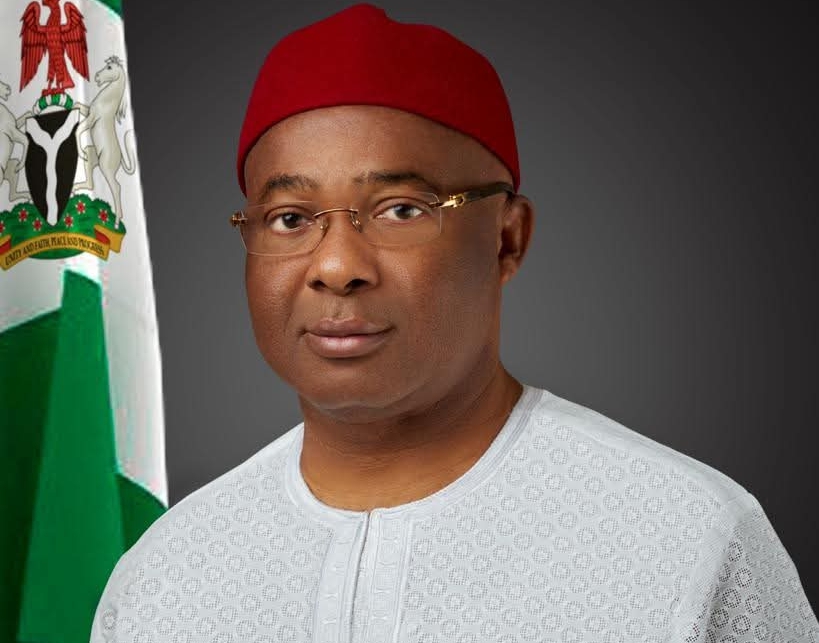
Imo State Governor, Senator Hope Uzodimma, has approved a new minimum wage of N104,000 for civil servants, marking a significant salary increase for workers across the state.
The governor announced the new wage structure during a meeting with labour leaders and representatives of the workforce at the Government House in Owerri.
He explained that the review was made possible by improved internally generated revenue and increased federal allocations.
Governor Uzodimma further disclosed that medical doctors in the state’s civil service will now earn N533,000 monthly, aligning their pay with national standards and reducing the risk of brain drain in the health sector.
“This is a deliberate effort to stimulate our economy and improve the welfare of our workers.

We believe that a motivated workforce is critical to delivering good governance and quality services to our people,” the governor said.
The governor also announced that his administration has earmarked N16 billion to clear outstanding gratuity arrears owed to pensioners in Imo State.
He stressed that the measure will bring relief to retired workers who had endured years of unpaid entitlements.
According to him, the wage increment is not only a response to economic realities but also a reflection of his administration’s commitment to equity and fairness in governance.
He added that the state government will continue to engage with labour unions to ensure industrial harmony and long-term economic growth.
The development has been welcomed by sections of the state workforce, with many describing it as a bold step to ease the burden of rising living costs.
Labour unions are expected to meet in the coming days to discuss the implementation framework for the new wage.
Observers note that the announcement comes amid wider conversations across Nigeria about wage adjustments, following the federal government’s recent review of the national minimum wage.
With this move, Imo State becomes one of the first states in the South-East region to adopt a new wage structure that surpasses the federal benchmark, positioning it as a model for other states grappling with demands for better pay.