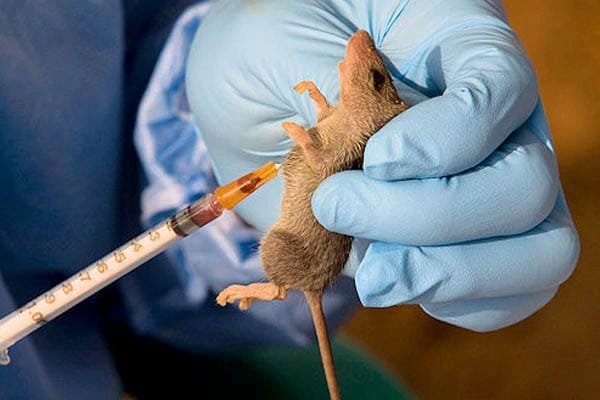
(DDM) – Nigeria’s annual Lassa fever season has returned with renewed concerns, as the viral disease increasingly infects frontline health workers responsible for containing outbreaks. Public health experts warn that the trend highlights deep vulnerabilities in the country’s disease response system and raises urgent questions about preparedness.
Recent data from the Nigeria Centre for Disease Control (NCDC) shows that more than 15 healthcare workers had contracted Lassa fever by Epidemiological Week Seven of the year. The outbreak has already claimed at least 75 lives, with 1,538 suspected cases reported across 35 local government areas in nine states.
Health authorities say the growing infection rate among medical staff is particularly alarming because these workers serve as the first line of defence during outbreaks. When the very professionals tasked with treatment and containment become infected, the consequences ripple through the entire health system.
Taraba State currently appears to be the worst affected, with the Federal Medical Centre, Jalingo reporting 35 deaths linked to the disease. In neighbouring Benue State, officials confirmed heavy losses as well, including the deaths of ten healthcare workers.
Why infections among health workers matter

CNN-style explainer: Lassa fever is a viral hemorrhagic illness caused by the Lassa virus, typically transmitted to humans through food or household items contaminated with urine or droppings from infected rodents. Human-to-human transmission can also occur, especially in healthcare settings without adequate infection control.
Experts say when health workers become infected, three major problems quickly emerge.
First, staffing shortages worsen in already overstretched hospitals. During peak Lassa fever season, treatment centres often operate at or beyond capacity. Losing trained medical personnel can delay treatment, reduce hospital efficiency, and weaken emergency response efforts.
Second, morale among health workers can decline sharply. Fear of infection may discourage staff from volunteering for high-risk units or working in rural areas where medical personnel are already scarce.
Third, public trust in hospitals may decline. When communities perceive hospitals as unsafe, people often delay seeking treatment. Such delays can worsen patient outcomes and increase the risk of further community transmission.
A recurring outbreak with systemic challenges
Lassa fever outbreaks occur almost every year in Nigeria, particularly during the dry season when rodent activity increases. Despite its recurring pattern, experts argue that the national response still appears fragmented and reactive.
Some public health analysts have even raised concerns that the disease receives less urgent attention compared with other global health crises such as COVID-19 or HIV/AIDS.
The perception that Lassa fever disproportionately affects poorer rural communities has fueled criticism that it is sometimes treated as a “poor man’s disease,” a characterization health experts say should alarm policymakers.
What health experts say must change
CNN-style explainer: Experts emphasize that preventing infections among healthcare workers requires strong infection prevention systems.
Hospitals must maintain steady supplies of personal protective equipment, including gloves, gowns, and face shields. Supply chain disruptions have occasionally left facilities temporarily without these critical materials.
Medical professionals are also calling for mandatory Infection Prevention and Control training for both clinical and non-clinical hospital staff. Proper hand hygiene, functional washing stations, and alcohol-based hand rubs remain essential tools in stopping transmission.
Healthcare facilities must also strengthen triage systems that quickly identify and isolate suspected Lassa fever cases when patients arrive.
Rapid laboratory confirmation is equally critical. Improved specimen transportation networks and expanded laboratory capacity could significantly reduce testing delays and improve containment efforts.
Public awareness remains critical
Beyond hospitals, experts say public awareness campaigns must intensify. Government agencies, including the National Orientation Agency, state authorities, media organisations, and civil society groups must educate communities about symptoms, prevention, and the importance of seeking early treatment.
Lassa fever may be seasonal, but health experts say it is neither new nor unpredictable.
The fact that the virus continues to claim lives, including those of trained health professionals, underscores systemic weaknesses that require urgent attention.
For Nigeria’s health sector, the message is clear: protecting healthcare workers is not optional, it is the foundation of any effective epidemic response.