


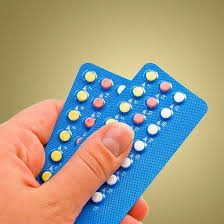
Low-dose birth control pills have become a popular contraceptive option, offering effective pregnancy prevention while containing lower hormone levels than earlier generations of oral contraceptives.
Healthcare experts say these modern formulations may help reduce the risk of certain side effects associated with higher-dose birth control pills while providing additional health benefits beyond contraception.
What Are Low-Dose Birth Control Pills?
Low-dose birth control pills are hormonal contraceptives that contain smaller amounts of hormones, particularly estrogen, than older formulations.
There are two main types:

- Combination Oral Contraceptives (COCs): Contain both estrogen and progestin.
- Progestin-Only Pills (POPs): Also known as “mini-pills,” these contain only progestin.
Most modern combination pills contain between 10 and 35 micrograms of estrogen, significantly lower than earlier formulations that often contained more than 50 micrograms.
Medical experts note that lower estrogen doses have contributed to improved safety profiles for many users.
Potential Benefits
Beyond preventing pregnancy, low-dose birth control pills may provide several health benefits.
According to healthcare professionals, combination pills can help:
- Regulate menstrual cycles
- Reduce menstrual cramps
- Improve acne
- Decrease unwanted hair growth
- Lower the risk of ovarian, uterine, and colorectal cancers
Progestin-only pills may also help regulate periods and are often recommended for women who cannot safely use estrogen-containing contraceptives.
Understanding the Risks
Although considered safe for most healthy individuals, low-dose birth control pills are not entirely risk-free.
Experts explain that estrogen-containing contraceptives can slightly increase the risk of cardiovascular complications, including blood clots, stroke, and elevated blood pressure.
The risk is generally higher among women who:
- Smoke cigarettes
- Are over age 35
- Have obesity
- Have a history of blood clots
- Have heart disease or other cardiovascular risk factors
In rare cases, blood clots may develop in the legs, a condition known as deep vein thrombosis (DVT), and potentially travel to the lungs or other organs, causing serious complications.
Healthcare providers emphasize that these risks remain relatively low for most healthy women but should be carefully assessed before starting hormonal contraception.
Possible Side Effects
Like all hormonal contraceptives, low-dose birth control pills may cause side effects, particularly during the first few months of use.
Common side effects include:
- Headaches
- Breast tenderness
- Mood changes
- Changes in menstrual bleeding patterns
- Depression or emotional fluctuations
Many women find that these symptoms improve as their bodies adjust to the medication.
When to Consider Changing Birth Control Methods
Doctors say finding the most suitable contraceptive option often involves some trial and error.
Women may wish to discuss alternative birth control methods with their healthcare provider if they experience:
- Persistent side effects
- Severe headaches or migraines
- Symptoms that interfere with daily activities
- New medical conditions that increase health risks
- Concerns about smoking while using hormonal contraception
Several non-hormonal alternatives are available, including condoms, diaphragms, copper intrauterine devices (IUDs), and permanent contraceptive procedures for those who no longer wish to become pregnant.
Choosing the Right Option
Medical experts stress that no single birth control method is right for everyone.
Factors such as age, overall health, family medical history, lifestyle habits, and reproductive goals should all be considered when selecting a contraceptive method.
Women are encouraged to speak with their healthcare provider about the benefits and risks of each option and to report any concerning symptoms while using hormonal birth control.
Key Takeaway
Low-dose birth control pills offer effective contraception with lower hormone levels than older formulations and may provide additional health benefits such as menstrual regulation and reduced cramping. While generally safe, they can still carry risks and side effects, making individualized medical guidance essential when choosing the most appropriate birth control method.




