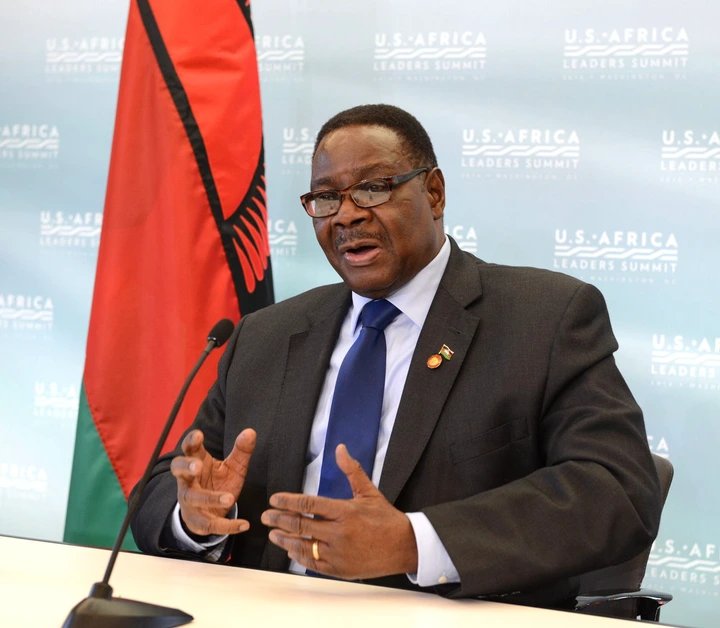
(DDM) – Malawi’s President, Peter Mutharika, has issued a sweeping executive order prohibiting public health workers from owning or operating private clinics and pharmacies.
The directive, released on Tuesday, targets employees in government hospitals and state-run health facilities, aiming to eliminate conflicts of interest and curb corruption in the health sector.
It also bars health personnel from soliciting or accepting payments or favours from patients as a condition for treatment.
The move follows concerns raised by Health and Sanitation Minister Madalitso Baloyi, who highlighted allegations that some medical practitioners demanded large sums of money from patients or their guardians in public hospitals to provide services.
Officials also warned that some employees were steering patients toward private clinics to access “better care,” a practice the president deemed illegal and unethical.
Mutharika emphasized that such conduct violates patients’ constitutional rights to receive public health services.

The executive order gives public health employees 30 days to divest from any private facilities or shares they hold. Noncompliance will result in dismissal and potential legal action.
The Malawi Health Equity Network welcomed the policy, describing it as a “bold and long-overdue intervention” to protect citizens from illegal charges, coercion, and discriminatory practices in healthcare.
The government hopes the new directive will strengthen trust in public health institutions, ensure equitable access to care, and uphold professional ethics among medical personnel.
The order represents one of the most stringent measures in recent years to enforce accountability within Malawi’s healthcare system. Public health experts note that its success will depend on rigorous enforcement and monitoring to prevent violations.
With healthcare costs rising across the region, authorities argue that removing incentives for private profiteering among state employees is crucial to ensuring fairness and protecting patients.
Officials have stated that the Ministry of Health will monitor compliance, while advocacy groups have pledged to support enforcement and public awareness campaigns to educate patients on their rights.
Observers believe that Malawi’s bold action could set a precedent for other African countries struggling with similar challenges in the public health sector.
The executive order reinforces the government’s commitment to improving the quality, accessibility, and integrity of public healthcare services nationwide.
Patients and advocacy groups are urged to report any violations, ensuring that the ban is fully effective and contributes to a more transparent and ethical healthcare environment.
The directive marks a significant step in reinforcing accountability and professionalism among Malawi’s public health workforce.