


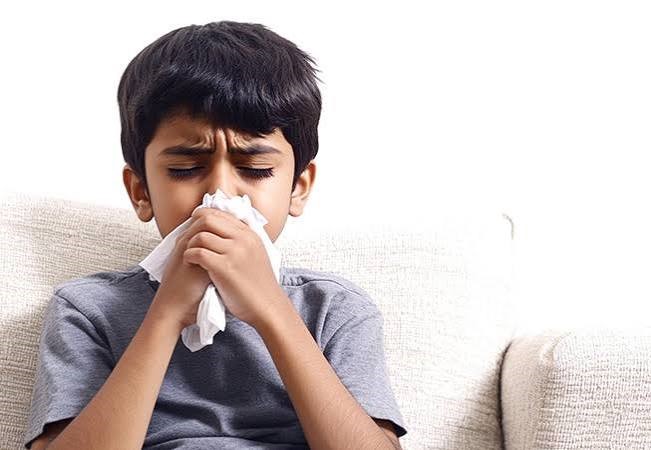
Medical experts are encouraging parents and caregivers to take extra precautions to protect children from seasonal respiratory infections, as changing weather conditions often lead to an increase in illnesses such as the common cold, influenza, respiratory syncytial virus (RSV), and other viral infections.
Children, particularly those under the age of five, are more vulnerable because their immune systems are still developing. While many respiratory infections are mild and resolve with proper care, some can become serious if left untreated.
Common Symptoms to Watch For
Doctors advise parents to monitor children for symptoms that may include:
- Persistent cough
- Runny or blocked nose
- Fever
- Sore throat
- Sneezing
- Difficulty breathing or rapid breathing
- Fatigue or reduced appetite
Parents are urged to seek medical attention immediately if a child has severe breathing difficulties, persistent high fever, bluish lips, dehydration, or becomes unusually drowsy.

Preventive Measures
Health professionals say simple daily habits can greatly reduce the spread of respiratory infections. They recommend:
- Encouraging children to wash their hands regularly with soap and clean water.
- Teaching proper cough and sneeze etiquette by covering the mouth and nose with a tissue or the elbow.
- Keeping children away from people who are visibly ill whenever possible.
- Cleaning frequently touched surfaces such as toys, door handles, and tables.
- Ensuring children eat a balanced diet rich in fruits and vegetables.
- Providing enough sleep and regular physical activity to support a healthy immune system.
Importance of Vaccination
Doctors also stress that routine childhood vaccinations remain one of the most effective ways to protect children from several serious infectious diseases. Parents are encouraged to keep their children’s immunization schedules up to date and consult healthcare providers about recommended vaccines.
Vaccination not only protects individual children but also helps reduce the spread of disease within communities.
When to Keep Children at Home
Health experts recommend keeping children at home if they have a fever or symptoms of a contagious respiratory illness. This helps prevent the spread of infections in schools and daycare centres while allowing the child adequate time to recover.
Parents should also avoid giving antibiotics without a doctor’s prescription, as most seasonal respiratory infections are caused by viruses, which antibiotics cannot treat.
Public Health Reminder
Healthcare providers continue to emphasize that good hygiene, proper nutrition, adequate rest, and timely medical care remain the best defenses against seasonal respiratory illnesses. They also encourage parents to seek reliable health information and avoid self-medication.
Looking Ahead
As seasonal respiratory infections continue to affect children each year, medical experts believe that increased public awareness and preventive healthcare practices can significantly reduce illness and hospital admissions. By staying alert to symptoms and adopting healthy habits, families can better protect children and support their overall health throughout the year.




