


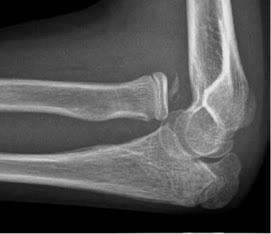
Medical professionals are warning the public against delaying treatment for dislocated joints, stressing that prompt medical attention is essential to prevent permanent damage, long-term disability, and chronic pain. According to healthcare experts, joint dislocations occur when the bones that form a joint are forced out of their normal position, often due to falls, sports injuries, road accidents, or direct trauma to the body. They emphasize that this condition is a medical emergency that should never be managed with home remedies or ignored in the hope that it will resolve on its own.
Doctors explain that dislocations most commonly affect the shoulders, fingers, knees, hips, elbows, and jaw. Among these, shoulder dislocations are particularly frequent due to the joint’s wide range of movement and relative instability. When a joint becomes dislocated, the surrounding ligaments, muscles, tendons, nerves, and blood vessels may also be stretched or torn, increasing the risk of serious complications if treatment is delayed.
According to orthopedic specialists, a dislocated joint is usually easy to recognize. Common symptoms include sudden and severe pain, visible deformity, swelling, inability to move the joint, bruising, and a sensation that the bone has “come out of place.” In some cases, there may also be numbness, tingling, or weakness if nearby nerves are affected. Doctors warn that attempting to move or use the injured joint can significantly worsen the damage.
Medical professionals strongly advise against trying to force a dislocated joint back into place without proper training. Improper manipulation can cause additional injury to blood vessels, nerves, or surrounding tissues, and may convert a simple dislocation into a more complex and dangerous condition. Instead, the affected area should be kept still and supported in the position it is found.

Doctors recommend applying a cold compress or ice pack wrapped in a cloth to the injured area to help reduce pain and swelling while awaiting medical care. The limb should be immobilized using a sling, splint, or makeshift support if possible, and the person should be taken to the nearest hospital or emergency facility as quickly as possible.
Health experts explain that early treatment of dislocated joints typically involves a procedure called “reduction,” where a trained medical professional carefully realigns the bones into their proper position. This procedure is often followed by imaging tests such as X-rays or scans to check for fractures or additional injuries. Pain relief, immobilization, and physiotherapy may also be required to restore normal joint function.
Medical professionals warn that delaying treatment increases the risk of serious complications. These may include permanent joint instability, chronic pain, nerve damage, reduced range of motion, repeated dislocations, and in severe cases, tissue death due to interrupted blood supply, particularly in hip dislocations. Recovery becomes more difficult and prolonged when treatment is not received promptly.
Doctors also highlight that certain groups are more vulnerable to dislocations, including athletes, older adults with weakened bones, individuals with ligament injuries, and people involved in high-impact accidents. Preventive measures such as warming up before physical activity, using protective gear during sports, maintaining good muscle strength, and avoiding risky movements can help reduce the likelihood of joint injuries.
Medical professionals conclude that a dislocated joint should always be treated as an emergency. They emphasize that quick immobilization, avoidance of self-treatment, and immediate hospital care are critical to ensuring full recovery. By responding promptly and seeking professional treatment without delay, individuals can significantly reduce the risk of permanent joint damage and restore normal mobility more effectively.




