


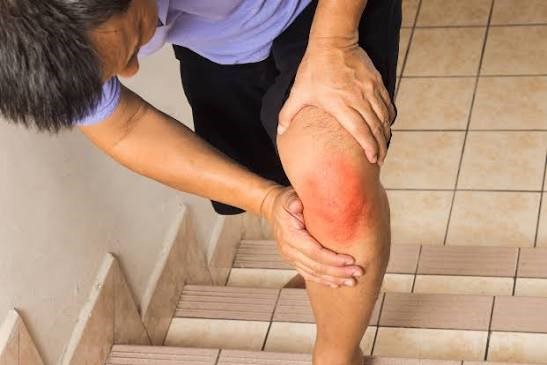
Health experts are warning Nigerians not to ignore frequent joint stiffness, stressing that persistent difficulty in moving joints may indicate an underlying musculoskeletal or inflammatory condition that requires medical attention.
According to medical professionals, joint stiffness refers to reduced flexibility or difficulty in moving joints such as the knees, elbows, shoulders, or fingers. While occasional stiffness can occur after long periods of inactivity or strenuous activity, frequent or persistent stiffness should not be overlooked.
Doctors explain that joint stiffness can be caused by several conditions, including arthritis, osteoarthritis, rheumatoid arthritis, gout, injuries, poor posture, prolonged sitting, and age-related wear and tear of cartilage. In some cases, infections or autoimmune disorders may also affect joint health.
Health experts note that symptoms may include swelling, pain, redness, warmth around the joints, reduced range of motion, and difficulty performing daily activities such as walking, climbing stairs, or lifting objects.

Medical professionals advise individuals to seek medical evaluation if joint stiffness persists for several days, worsens over time, or is accompanied by severe pain, swelling, or deformity of the affected joints.
Doctors recommend regular low-impact exercises such as walking, swimming, and stretching to help maintain joint flexibility and strengthen surrounding muscles, which can reduce stiffness and improve mobility.
Experts also encourage maintaining a healthy body weight, as excess weight places additional stress on weight-bearing joints like the knees and hips, increasing the risk of joint problems.
Health professionals caution against self-medicating with painkillers or herbal remedies without proper diagnosis, as this may only mask symptoms while the underlying condition progresses.
Doctors explain that diagnosing joint stiffness may involve physical examination, imaging tests such as X-rays or MRI scans, and blood tests to identify inflammation or autoimmune conditions.
Medical experts conclude that frequent joint stiffness should not be ignored. They encourage Nigerians to seek timely medical care and adopt healthy lifestyle habits to support joint health and prevent long-term disability.




