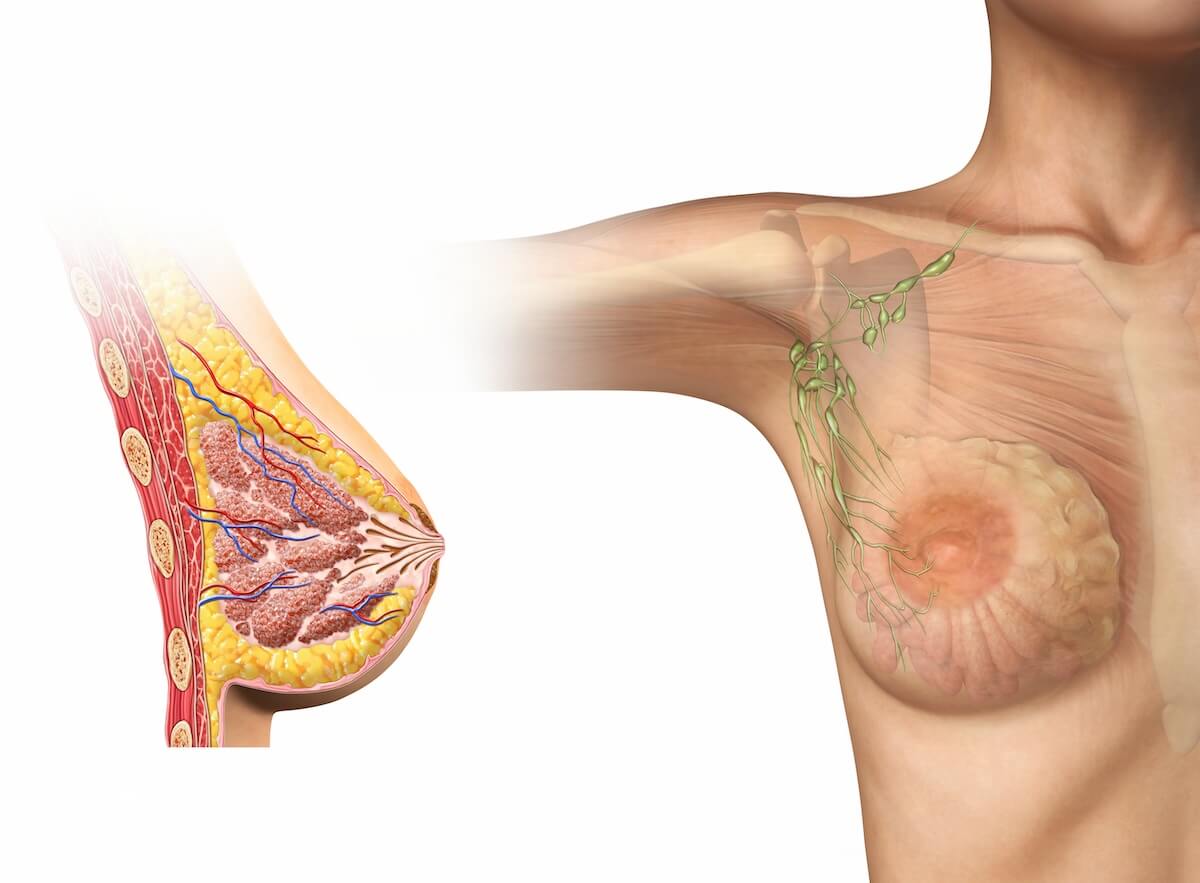
Metastatic Breast Cancer also known as stage IV breast cancer refers to cancer that has spread beyond the breast to other parts of the body. Rather than being a separate type of cancer, it describes how the disease behaves as it advances.
This stage is considered the most advanced form of breast cancer. It commonly spreads to the bones, liver, lungs, brain or chest wall. While metastatic breast cancer is not typically curable, ongoing advances in treatment are helping many patients live longer and maintain a better quality of life.
How metastatic breast cancer develops
Metastatic breast cancer often occurs when cancer cells survive initial treatment and later begin to grow again. These cells may remain inactive for years before spreading through the bloodstream or lymphatic system to other parts of the body.
In some cases, the cancer has already spread at the time of diagnosis, a condition known as de novo metastatic breast cancer.

Even when it spreads, the disease is still treated as breast cancer because the cells originate from breast tissue.
Symptoms to watch for
Symptoms vary depending on where the cancer has spread. General warning signs may include fatigue, unexplained weight loss or loss of appetite.
More specific symptoms are linked to the affected organs:
- Bones: persistent pain, fractures or swelling
- Brain: headaches, dizziness, seizures or vision changes
- Lungs: shortness of breath or chronic cough
- Liver: abdominal pain, nausea or yellowing of the skin and eyes
Doctors may also detect signs through routine tests, such as abnormal blood results or imaging scans.
Diagnosis and monitoring
Diagnosing metastatic breast cancer typically involves imaging tests such as CT scans, PET scans or MRIs to identify the extent of spread. Blood tests, including tumor markers, may help monitor disease progression.
Regular follow-up care is essential to track how the cancer responds to treatment and to detect any changes early.
Treatment approaches
Treatment for metastatic breast cancer focuses on controlling the disease, slowing its progression and improving quality of life. Most therapies are systemic, meaning they work throughout the body.
Common options include:
- Chemotherapy: to destroy cancer cells and slow growth
- Hormone therapy: for hormone receptor-positive cancers
- Targeted therapy: designed to attack specific genetic or protein changes in cancer cells
- Immunotherapy: helps the immune system recognize and fight cancer
Surgery and radiation are less commonly used but may be recommended in specific cases to relieve symptoms or manage localized tumors.
A personalized care strategy
Treatment decisions are highly individualized, based on factors such as previous therapies, genetic characteristics of the tumor and the patient’s overall health.
Experts emphasize the importance of open communication with healthcare providers. Asking questions and understanding treatment goals can help patients make informed decisions about their care.
Living with metastatic breast cancer
Managing metastatic breast cancer extends beyond medical treatment. Supportive care including nutrition, physical activity, mental health support and symptom management plays a vital role in overall well-being.
While a diagnosis of metastatic breast cancer can be overwhelming, continued progress in research and treatment is offering new hope, helping patients live longer and more fulfilling lives.