
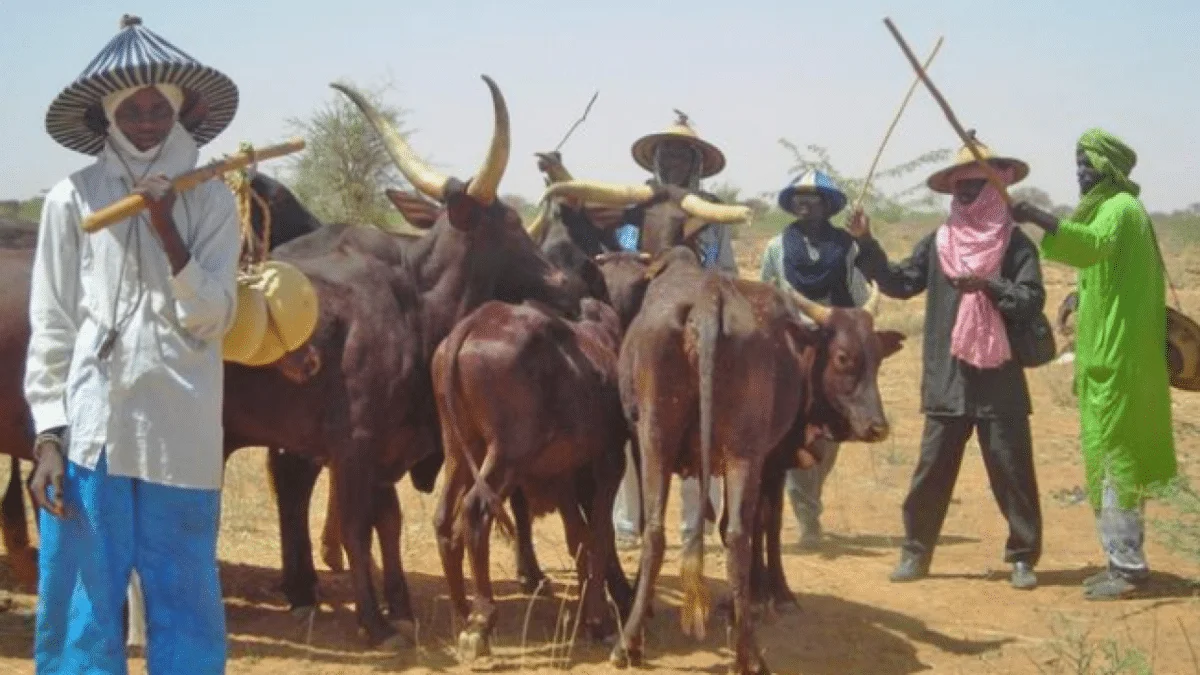
The Miyetti Allah Cattle Breeders Association of Nigeria (MACBAN) has denied allegations linking it to banditry, terrorism, kidnapping, and cattle rustling, following a proposed bill by United States lawmakers seeking sanctions over religious freedom violations in Nigeria.
The proposed sanctions reportedly target individuals and groups including Rabiu Kwankwaso, MACBAN, Miyetti Allah Kautal Hore, and entities described as Fulani ethnic nomad militias.
Speaking at a press conference, MACBAN National President Baba Ngelzarma said the association respects the sovereign right of the US to deliberate on human rights and religious freedom issues but rejected narratives linking the group to terrorism.
“We categorically reject such insinuations as false, unfounded, and injurious to the integrity of a duly registered national association,” he said.
Ngelzarma noted that MACBAN, established in 1986, operates as a legally registered corporate entity with national, state, and local structures and democratically elected executives.

He added that the association is recognised by federal and state governments as a stakeholder in livestock development, pastoral welfare, and conflict mediation.
He warned that blacklisting legitimate actors could lead to economic losses, trade disruptions, and further marginalisation of vulnerable communities.
According to him, pastoralists have also been victims of insecurity, with armed groups attacking communities, rustling cattle, displacing families, and assassinating leaders.
He said at least eight state leaders of the association were killed in 2025.
MACBAN urged Nigeria’s Senate committees on foreign affairs and national security to pass a resolution correcting what it described as an erroneous characterisation and called for parliamentary diplomatic channels to engage the US Congress.
The association also warned against external narratives undermining Nigeria’s security architecture and stressed that counterterrorism cooperation should not be based on what it termed false equivalences.