


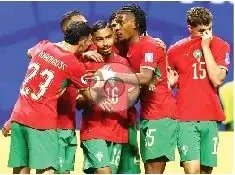
Morocco has further cemented its reputation as one of Africa’s football powerhouses after becoming the continent’s highest earning nation from the 2026 FIFA World Cup, securing an impressive $31.5 million in prize money following another outstanding campaign.
The Atlas Lions built on the momentum of their historic 2022 World Cup run in Qatar by once again producing an impressive performance on football’s biggest stage. Their latest achievement not only brought pride to Moroccan football but also established a new record for the highest World Cup prize money earned by an African nation.
The financial reward reflects FIFA’s expanded prize structure, with participating nations receiving increased payments based on their progress in the tournament. Morocco’s deep run ensured one of the largest payouts among all competing countries, underlining both their sporting success and growing influence in international football.

Although the Atlas Lions fell short of the final, they impressed throughout the competition with disciplined defending, tactical intelligence, resilience and technical quality. Their performances against several of the world’s strongest teams earned widespread praise from football analysts and supporters.
The latest earnings mark another significant milestone for the Royal Moroccan Football Federation, whose sustained investment in youth development, coaching, football infrastructure and talent identification has transformed Morocco into one of Africa’s most consistent and competitive national teams.
Football officials have consistently maintained that revenue generated from major international competitions should support long term development. The World Cup prize money is expected to strengthen grassroots football, expand youth academies, promote women’s football, improve referee education and enhance domestic football facilities across the country.
Morocco’s football structure has become a model for many African nations seeking sustainable success. The country’s progress has been driven by professional administration, modern training facilities, effective scouting networks and the integration of players competing in Europe’s top leagues.
Many members of the current national team emerged from well structured youth development programmes before establishing themselves at leading European clubs. Their experience at the highest level has helped Morocco compete confidently against some of football’s traditional giants.
Football finance experts believe the $31.5 million prize will further enhance Morocco’s ability to invest in future generations through improved training centres, advanced medical facilities, sports science programmes and expanded coaching education.
Beyond football, the team’s continued success has boosted Morocco’s international profile, creating greater opportunities for tourism, sponsorship and commercial investment while showcasing the country’s sporting ambitions on the global stage.
Across Africa, Morocco’s achievements have strengthened belief that teams from the continent can consistently compete in the latter stages of the FIFA World Cup. The Atlas Lions have demonstrated that long term planning, sound governance and sustained investment can produce results against the world’s leading football nations.
Analysts note that Morocco’s rise is the result of years of strategic planning rather than a single successful tournament. Continued investment in football academies, improvements to domestic competitions and partnerships with European clubs have contributed to building a strong and sustainable football ecosystem.
Supporters across Morocco celebrated both the team’s achievements and the historic financial milestone, expressing confidence that the latest success will encourage further investment in young talent and strengthen the country’s ambitions ahead of future international competitions.
Football administrators across Africa are expected to continue studying Morocco’s development model as they seek to replicate its achievements in coaching, youth development, infrastructure and football governance.
Looking ahead, Morocco will aim to build on its recent success and maintain its place among the world’s leading football nations. With a talented generation of players, experienced coaching staff and continued institutional support, expectations remain high that the Atlas Lions will remain competitive at future major international tournaments.
For Morocco, the $31.5 million prize is more than a financial reward. It reflects years of strategic planning, sustained investment and commitment to football development. As Africa’s highest World Cup prize money earner, Morocco has reinforced its position as a leading force on the continent while providing a blueprint for long term football success.




