


By Agency Report
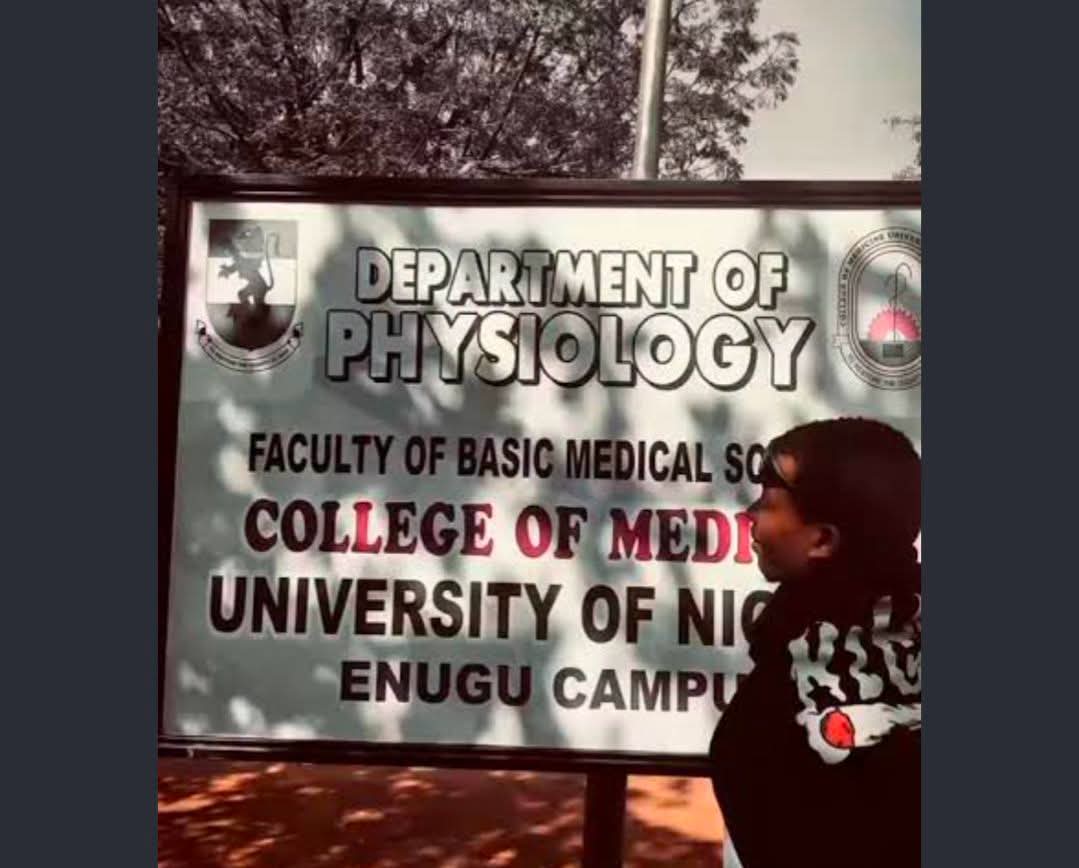
Over 24,510 undergraduate physiology students across Nigerian universities are facing an uncertain professional future amid what the Students’ Physiological Association of Nigeria, SPAN, described as inadequate regulation, limited clinical opportunities and a severe shortage of structured career pathways.
The association said Nigeria was producing thousands of students in physiology without putting in place the professional and institutional structures required to absorb them into the healthcare, research, sports and other specialised sectors.
National President of SPAN, Mr Victor Iyiola, disclosed this in an interview with the News Agency of Nigeria (NAN) in Ibadan on Wednesday.

According to him, a nationwide enumeration conducted by the association identified 24,510 undergraduate physiology students across 53 registered university chapters, representing a huge pool of young Nigerians being trained in one of the basic medical sciences.
But Iyiola warned that without urgent intervention, the growing number could translate into a generation of highly trained graduates with limited opportunities to deploy their skills.
He identified the absence of a statutory regulatory council for physiology as one of the biggest obstacles confronting the profession, arguing that the regulatory vacuum had weakened efforts to establish professional standards, protect career opportunities and properly represent holders of B.Sc., M.Sc. and Ph.D. degrees in physiology.
“Despite the importance of physiology to medicine and healthcare, graduates continue to face structural barriers that limit their ability to apply their training in clinical and other specialised fields,” he said.
Iyiola also raised concerns over the limited access of physiology students to meaningful clinical postings and the scarcity of structured positions for physiology graduates in teaching hospitals.
He said the problem had become more serious because universities, which traditionally absorbed many physiology graduates into academic careers, could no longer accommodate the growing number of graduates.
“The problem is compounded by the concentration of physiology graduates in academic careers, but universities cannot absorb the growing number of graduates.
“Applied branches such as clinical physiology, sports physiology, environmental and climate physiology, nutritional and metabolic physiology, and aerospace and aviation physiology face structural neglect,” he said.
The SPAN president said Nigeria’s situation was particularly troubling when compared with countries where clinical and applied physiology had developed clearer professional pathways within healthcare systems.
He further identified poor laboratory infrastructure and inadequate access to modern diagnostic equipment as major weaknesses in the training of physiology students.
“Students often graduated without adequate exposure to equipment such as digital spirometers, advanced EEG machines and metabolic carts, forcing some graduates to undertake additional training after university,” he said.
According to him, the challenges extend beyond employment to research, where inadequate domestic funding and weak laboratory infrastructure have increased dependence on collaborations with institutions outside Nigeria.
Iyiola described the situation as a “missed opportunity”, arguing that the country could derive greater value from its growing pool of trained physiologists if the necessary professional structures and investment were provided.
He called for the establishment of an appropriate statutory regulatory framework for the profession, clearer pathways for clinical postings and internships, and structured employment opportunities for physiology graduates.
The association also advocated increased government and private-sector investment in research facilities and laboratory infrastructure to enable students and graduates acquire practical skills relevant to modern healthcare and scientific research.
Iyiola urged improvements in the health and education sectors, warning that poor working conditions and limited career opportunities could further encourage skilled professionals to seek opportunities outside the country.
He said the 24,510 students captured in the association’s census should not be regarded merely as a statistic but as a pipeline of human capital capable of contributing to Nigeria’s healthcare and scientific development.
“These professionals could contribute to healthcare, scientific research, sports science, nutrition and other areas if properly supported,” he said.
NAN




