


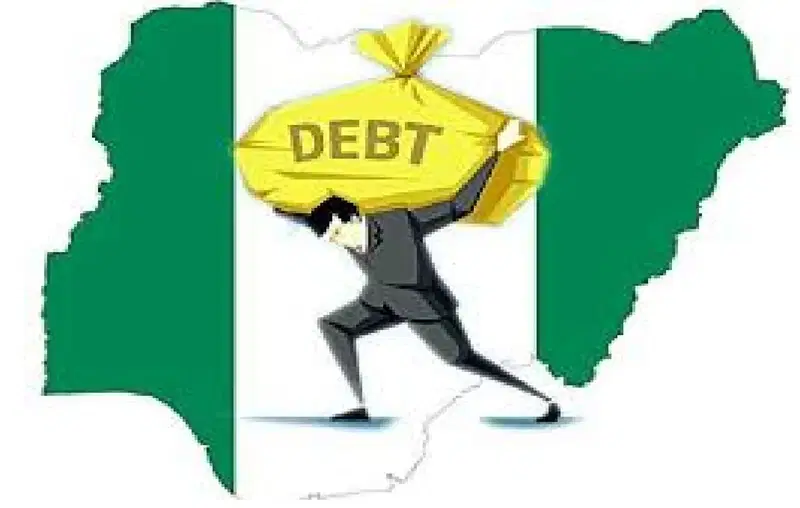
The Federal Government has spent ₦7.7tn on debt interest payments in the first half of 2026, exceeding its total revenue of ₦6.2tn by ₦1.5tn, according to the World Bank’s October 2026 Nigeria Development Update.
The figures show that interest payments accounted for 124.2 per cent of the government’s revenue between January and June 2026.
Debt interest payments rose by 37.5 per cent from ₦5.6tn recorded in the corresponding period of 2025, amid high domestic borrowing costs.
Meanwhile, federal revenue increased by 72.2 per cent to ₦6.2tn, supported by oil receipts, corporate taxes and independent revenue sources.

Despite the increase in revenue, capital expenditure fell sharply from one per cent of gross domestic product (GDP) to 0.3 per cent, equivalent to about ₦700bn.
The report indicated that the government spent approximately 11 times more on debt interest payments than on reported capital projects during the period.
Combined spending on debt interest and personnel costs reached ₦11.9tn, almost twice the government’s total revenue.
Nigeria’s public debt stock was estimated at ₦177tn in 2025, representing 40 per cent of GDP. This was a significant increase from ₦67tn, or 27.6 per cent of GDP, in 2021.
The World Bank also projected that Nigeria’s fiscal deficit would widen from 3.1 per cent of GDP in 2025 to 3.5 per cent in 2026.
The rising cost of debt servicing has raised concerns about the funds available for infrastructure, healthcare, education and other public services, as a growing share of government revenue goes towards meeting financial obligations.
The report also points to pressure on the government to improve revenue generation and manage borrowing costs amid concerns that increased spending ahead of the 2027 general elections could add to fiscal pressures.




