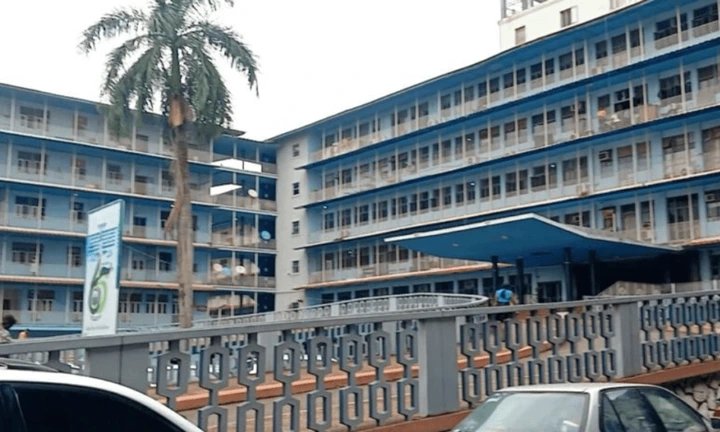
(DDM) – Healthcare services at the historic University College Hospital in Ibadan have been severely disrupted following a worsening power and water crisis that has crippled hospital operations.
Diaspora Digital Media (DDM) gathered that the dual crisis has forced many wards and clinical departments of the hospital to suspend or drastically reduce medical services.
The development has triggered deep concern among patients, healthcare workers and hospital administrators struggling to maintain essential services.
Health workers at the facility have also embarked on strike action in protest against what they described as deteriorating working conditions caused by the persistent infrastructure breakdown.
Union leaders representing health workers said the inability to guarantee stable electricity and water supply has created an unsafe environment for both patients and medical staff.

A representative of the health workers’ union warned that medical care becomes extremely difficult when hospitals cannot guarantee basic utilities.
The union noted that when hospital wards go dark and taps run dry, the ability of medical professionals to save lives becomes significantly compromised.
The power and water shortages have reportedly affected several critical hospital services including surgeries, laboratory operations, and patient care units.
Medical personnel say life-saving equipment often requires constant electricity to function effectively.
Without reliable power, doctors and nurses are forced to delay or cancel important medical procedures.
The water shortage has also compounded the crisis by affecting sanitation and hygiene within the hospital.
Hospital wards, laboratories, and operating theatres rely heavily on water supply for sterilisation and infection control.
Healthcare experts warn that inadequate sanitation in medical facilities increases the risk of hospital-acquired infections.
The situation has therefore raised alarm about patient safety at the hospital.
Established in 1948, the University College Hospital holds a special place in Nigeria’s medical history.
It is widely recognised as the first teaching hospital in Nigeria.
The institution was created to serve as the teaching hospital for the University of Ibadan medical school.
For decades, the hospital has played a major role in training doctors, nurses and other healthcare professionals across the country.
UCH has also been one of Nigeria’s most important referral hospitals.
Patients from different parts of the country often travel to Ibadan to receive specialised treatment at the facility.
The hospital’s long-standing reputation has made it one of the most respected public healthcare institutions in West Africa.
However, the current crisis reflects wider challenges facing Nigeria’s public health infrastructure.
Many government hospitals across the country struggle with poor electricity supply and aging infrastructure.
In some cases, hospitals rely heavily on diesel-powered generators to maintain operations during electricity outages.
Rising fuel costs have further increased the financial burden on healthcare institutions already operating under limited budgets.
Water supply challenges have also become a recurring problem in several Nigerian cities due to aging pipelines and weak urban infrastructure.
Health sector analysts warn that such infrastructural breakdowns could weaken Nigeria’s healthcare delivery system.
They argue that government investment in hospital infrastructure is critical to maintaining quality healthcare services.
Medical unions have repeatedly called on authorities to prioritise stable power supply and water systems in major public hospitals.
Some stakeholders have also suggested partnerships with private power providers to ensure constant electricity supply for hospitals.
Observers note that hospitals are critical national infrastructure that require uninterrupted utility services.
The ongoing strike action at UCH is expected to disrupt patient care further if the crisis persists.
Families of patients receiving treatment at the hospital have also expressed worry over the deteriorating situation.
Many fear that prolonged disruption could force patients to seek treatment in private hospitals where medical costs are significantly higher.
Healthcare advocates are therefore urging the government to urgently intervene to restore essential services at the hospital.
For now, medical workers insist that immediate solutions must be implemented before normal operations can resume fully at the historic institution.