


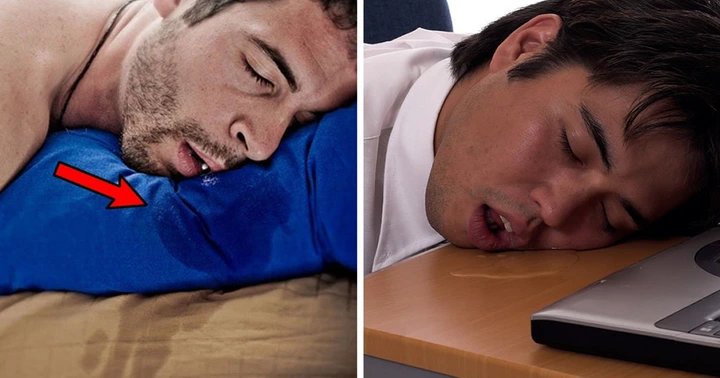
(DDM) — Waking up to find a wet pillow can be uncomfortable and sometimes embarrassing.
While occasional nighttime drooling may be caused by simple factors like sleeping positions or temporary nasal congestion, persistent drooling during sleep could indicate deeper health concerns.
Medical experts told DDM that chronic drooling, medically referred to as sialorrhea, should not be ignored, as it may be an early warning sign of certain medical issues.
One possible cause is sleep apnea, a condition where breathing repeatedly stops and starts during sleep. This can lead to mouth breathing and increased saliva flow.

Another is gastroesophageal reflux disease (GERD), in which stomach acid flows back into the esophagus, irritating the throat and triggering excessive saliva production.

Neurological disorders such as Parkinson’s disease, cerebral palsy, or the aftermath of a stroke can also impair muscle control, making it harder to swallow saliva during sleep.
Allergies and sinus infections are another common trigger, as blocked nasal passages force individuals to breathe through their mouths, increasing drooling.
Dental issues, including misaligned teeth or oral infections, may contribute by affecting jaw alignment and swallowing patterns.
Lastly, certain medications, especially those with side effects that increase saliva production or relax muscles, can worsen nighttime drooling.
Health professionals recommend that anyone experiencing persistent drooling during sleep should seek medical evaluation to rule out serious conditions and find targeted solutions.
Possible treatments may include lifestyle adjustments, medication changes, dental corrections, or therapies to improve muscle control.
DDM gathered that, in some cases, treating the underlying condition, such as managing GERD or addressing allergies, can significantly reduce nighttime drooling.
Ignoring the symptom may lead to complications, including skin irritation, disrupted sleep, and social discomfort.

