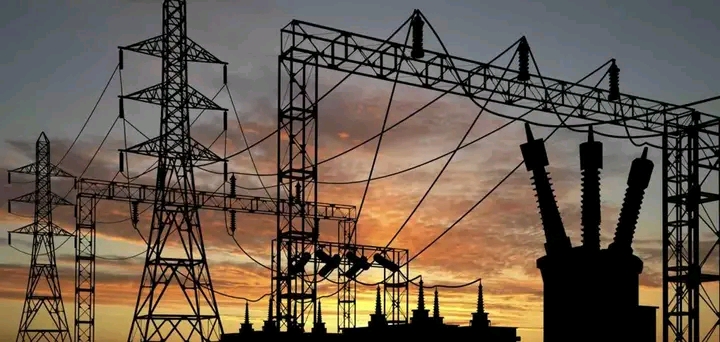
ABUJA, NIGERIA — The Nigerian Independent System Operator (NISO) has announced a reduction in electricity transmission losses to 7.05 percent, marking a significant improvement in efforts to stabilise Nigeria’s national grid and enhance power delivery efficiency.
Diaspora Digital Media (DDM) gathered that the development is part of ongoing reforms aimed at strengthening grid management, reducing energy wastage, and improving overall reliability within Nigeria’s power sector.
Officials disclosed that the reduction in transmission losses reflects improved coordination in grid operations, better monitoring systems, and strategic upgrades in transmission infrastructure across key nodes in the national network.
Transmission losses, which typically occur due to technical inefficiencies, outdated infrastructure, and energy dissipation over long distances, have long been a major challenge in Nigeria’s electricity value chain. Reducing these losses is considered critical to improving power supply and minimising revenue leakages.

NISO stated that its reforms are focused on enhancing real-time grid management, deploying advanced technologies, and improving collaboration with generation and distribution companies to ensure a more stable and responsive power system.
Background analysis shows that Nigeria’s electricity sector has struggled for decades with issues including inconsistent power supply, grid collapses, inadequate infrastructure, and financial inefficiencies. These challenges have affected both industrial productivity and household energy access across the country.
Energy experts say that reducing transmission losses to 7.05 percent represents a positive step toward achieving a more efficient power system, although further improvements are needed to meet global benchmarks.
The reforms being implemented by NISO are also expected to support ongoing efforts by the federal government to modernise the electricity sector and attract investment into power generation, transmission, and distribution.
Stakeholders note that grid stability remains a major priority, especially given the frequency of system disturbances and partial or total grid collapses recorded in recent years.
By improving operational efficiency and reducing losses, NISO aims to ensure that more generated power is successfully delivered to end users, thereby improving supply consistency and customer satisfaction.
Analysts further highlight that sustained investment in infrastructure, policy consistency, and regulatory enforcement will be essential in maintaining the progress achieved so far.
The announcement signals cautious optimism within the energy sector, as reforms begin to yield measurable outcomes in Nigeria’s long-standing effort to build a more reliable and efficient electricity system.