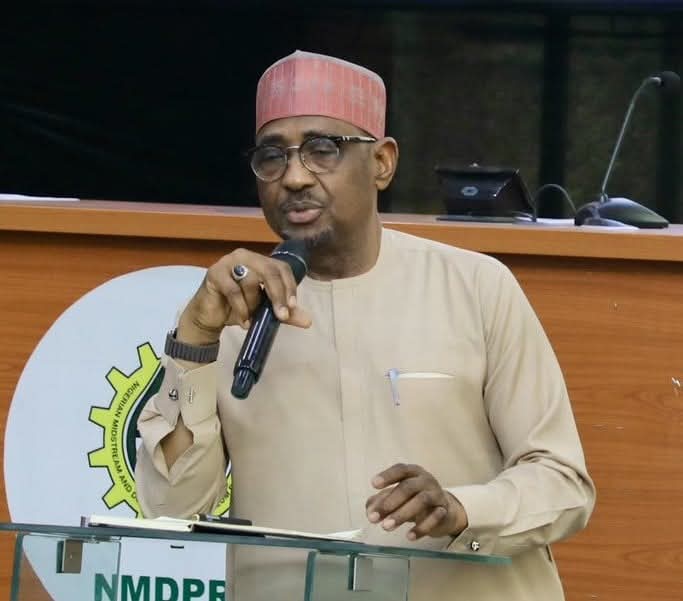
(DDM) — Nigeria’s petroleum sector was thrown into fresh uncertainty on Wednesday following the resignation of the Chief Executive Officer of the Nigerian Midstream and Downstream Petroleum Regulatory Authority, Farouk Ahmed, and the head of the Nigerian Upstream Petroleum Regulatory Commission, a development that has intensified debates over reforms, accountability, and political control of the oil industry.
President Bola Ahmed Tinubu has since forwarded the names of proposed replacements to the Senate, seeking confirmation in line with constitutional and statutory provisions governing key regulatory appointments in the petroleum sector.
The twin resignations mark one of the most significant leadership changes in Nigeria’s oil and gas regulatory framework since the implementation of the Petroleum Industry Act, which split oversight responsibilities across upstream, midstream, and downstream segments.
Farouk Ahmed, who headed the NMDPRA, had been responsible for regulating fuel supply chains, pricing frameworks, refinery operations, and downstream licensing, making his exit particularly sensitive amid ongoing reforms in fuel subsidy removal and deregulation.
The departure of the NUPRC chief also carries major implications for upstream activities, including crude oil production targets, licensing rounds, host community relations, and investor confidence in Nigeria’s oil exploration environment.

Although official reasons for the resignations were not immediately disclosed, sources within the energy sector suggest the move is part of a broader restructuring effort by the Tinubu administration aimed at tightening control, improving efficiency, and restoring credibility in regulatory institutions.
The changes come at a time when Nigeria is struggling to stabilise crude oil output, attract foreign investment, and address allegations of corruption and regulatory capture within the petroleum sector.
Industry observers note that regulatory leadership has been under intense scrutiny following repeated accusations of inefficiency, opaque decision-making, and conflicts with operators and other government agencies.
The Presidency has maintained that the nominations forwarded to the Senate reflect the administration’s commitment to competence, transparency, and alignment with its economic reform agenda.
Lawmakers are expected to subject the nominees to rigorous screening, particularly on their technical expertise, independence, and capacity to enforce the Petroleum Industry Act without political interference.
The oil and gas sector remains Nigeria’s most critical source of foreign exchange and public revenue, meaning any disruption or uncertainty within regulatory agencies has far-reaching economic consequences.
In recent months, the Tinubu government has faced pressure from stakeholders to reform the sector more aggressively, citing declining production levels, pipeline vandalism, oil theft, and weak regulatory enforcement.
DDM gathered that reactions to the resignations have been mixed, with some analysts describing the move as overdue, while others warn that frequent leadership changes could deepen instability and discourage long-term investment.
Labour unions within the petroleum sector have also expressed concern about policy continuity, urging the government to ensure that reforms are not driven by politics at the expense of technical consistency.
Opposition figures, meanwhile, have questioned whether the resignations were voluntary or the result of behind-the-scenes pressure, calling for greater transparency from the Presidency.
Supporters of the administration argue that decisive action is necessary to clean up regulatory institutions and reposition Nigeria’s oil industry for competitiveness in a rapidly changing global energy market.
They contend that the Petroleum Industry Act was designed to insulate regulators from political influence, but only strong political will can correct entrenched inefficiencies and vested interests.
As the Senate prepares to review the nominations, attention will focus on whether the new leadership can restore confidence, improve regulatory clarity, and balance government revenue goals with investor and consumer interests.
The resignations of Farouk Ahmed and the NUPRC boss represent another critical test of Tinubu’s resolve to overhaul Nigeria’s oil sector, with the outcome likely to shape energy governance and economic stability in the months ahead.