



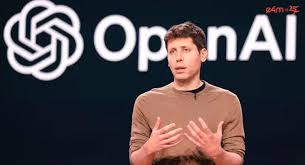
After months of intense speculation about how OpenAI intends to sustainably monetise one of the world’s most widely used artificial intelligence platforms, the company has confirmed a major strategic shift: limited, targeted advertising will soon begin appearing inside ChatGPT. The move marks OpenAI’s first official step into the advertising ecosystem and signals a significant evolution in how AI-driven consumer platforms may balance free access with long-term revenue generation.
DDM NEWS reports that the initial rollout of advertising within ChatGPT is expected to begin in the coming weeks, starting with a controlled test in the United States. The ads will only be shown to users on ChatGPT’s Free and Go tiers, leaving higher-priced subscriptions—including Plus, Pro, Business, and Enterprise—entirely ad-free. The Go plan, which launched globally this week at a price of $8 per month, is positioned as a low-cost premium option, sitting between the free tier and more advanced paid plans.
With more than 700 million weekly users worldwide, ChatGPT represents one of the largest and fastest-growing digital audiences on the planet. For advertisers, this opens a powerful new channel to reach users at moments of high intent—when they are actively seeking information, advice, or solutions. For OpenAI, it offers a potential revenue stream capable of supporting the enormous computational costs associated with training and running large-scale AI models.
According to details shared by the company, ads will appear at the bottom of ChatGPT conversations and will be contextually linked to the topic being discussed. For example, a user asking about holiday destinations or travel tips may see a sponsored message from a travel company, airline, or hotel brand. Importantly, OpenAI says these ads will not interrupt conversations or be embedded within answers themselves, a design choice aimed at preserving the core user experience.

DDM NEWS understands that OpenAI is keenly aware of user concerns around trust, transparency, and data privacy. As a result, the company has outlined a number of safeguards intended to differentiate its advertising model from more intrusive digital ad systems. Ads will be clearly labeled as “sponsored,” visually separated from ChatGPT’s responses, and easy to dismiss. Users will also be able to see why a particular ad is being shown to them and can opt out of ad personalisation entirely.

In addition, OpenAI has placed firm restrictions on where ads can appear. Advertisements will not be shown to users under the age of 18, nor will they appear alongside sensitive topics such as health, mental health, or politics. These exclusions are designed to prevent ethical concerns and reduce the risk of manipulation in areas where misinformation or undue influence could have serious consequences.
Perhaps the most significant assurance from OpenAI is its emphasis on what it calls “answer independence.” The company insists that advertising will have no influence whatsoever on ChatGPT’s responses. In other words, paying advertisers will not be able to shape, bias, or suppress answers generated by the AI. OpenAI has also stated that it will not sell user data to advertisers, a pledge likely intended to distinguish its approach from traditional ad-driven platforms that rely heavily on personal data profiling.
This move places OpenAI closer to long-established technology giants such as Google and Microsoft, both of which already generate billions of dollars annually from advertising tied to search, productivity tools, and AI-powered services. However, OpenAI’s approach appears more cautious and limited, at least in its initial phase, reflecting the unique role ChatGPT plays as a conversational assistant rather than a traditional content feed.
DDM NEWS notes that the announcement has sparked widespread debate within the tech industry. Supporters argue that advertising is a practical and inevitable step for a platform of ChatGPT’s scale, especially if OpenAI hopes to keep its free tier accessible to users around the world. Critics, however, warn that introducing ads—even carefully labeled ones—could gradually erode trust, particularly if commercial interests begin to influence product decisions over time.
The contrast with Google’s strategy is particularly striking. Speaking recently at the World Economic Forum in Davos, Google DeepMind CEO Demis Hassabis revealed that there are currently no plans to introduce advertising into Google’s Gemini AI app. While Google continues to run ads across its core Search business and other AI-enhanced features, Gemini itself is being positioned as an ad-free assistant. This divergence highlights a growing philosophical split in how major AI players view monetisation and user experience.
For Google, the decision to keep Gemini ad-free may reflect confidence in its existing advertising empire, which remains deeply embedded in search and online discovery. OpenAI, by contrast, does not have a legacy ad business to fall back on and must explore new revenue paths to support its rapid expansion, infrastructure demands, and ongoing research.
Industry analysts suggest that OpenAI’s decision could set an important precedent for other AI platforms navigating similar challenges. As generative AI tools become more deeply integrated into everyday life, the question of who pays—and how—becomes unavoidable. Subscription-only models risk excluding users in lower-income regions, while unrestricted advertising risks undermining credibility. OpenAI’s hybrid approach may be an attempt to strike a middle ground.
From a marketer’s perspective, ChatGPT’s ad experiment represents a potentially transformative opportunity. Unlike traditional social media or display advertising, ChatGPT interactions are driven by user intent rather than passive scrolling. This could allow brands to reach consumers at moments when they are actively researching products, planning purchases, or seeking recommendations, making ad placement more relevant and potentially more effective.
However, DDM NEWS understands that much will depend on how users respond once the ads go live. If ads are perceived as helpful, unobtrusive, and genuinely relevant, they may be accepted as a fair trade-off for free access. If not, OpenAI risks backlash from a user base that has grown accustomed to a relatively clean, ad-free experience.
As OpenAI prepares to test this new model in the United States, the global tech community will be watching closely. The results of this experiment are likely to influence not only ChatGPT’s future but also broader conversations about the sustainability, ethics, and economics of artificial intelligence. Whether advertising becomes a cornerstone of AI platforms or remains a carefully controlled supplement will help define the next chapter of the digital age.
For now, as DDM NEWS observes, OpenAI’s move into advertising underscores a simple reality: as AI becomes mainstream, it must also become economically viable. How that balance is struck may shape the future of human–AI interaction for years to come.

