


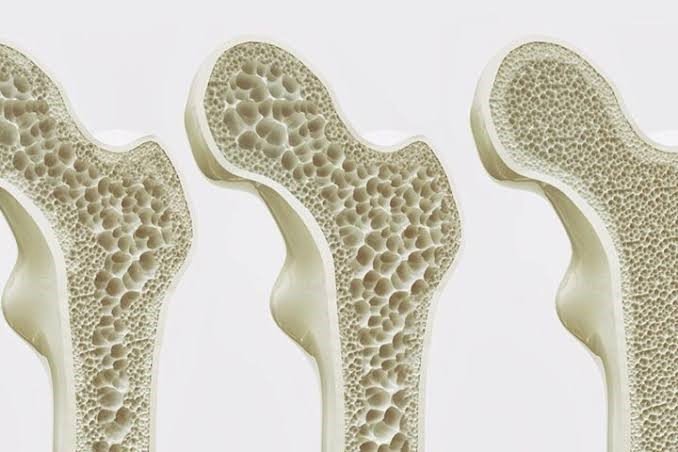
Osteoporosis is a common bone disease that weakens bones, making them fragile and more likely to break. Health experts warn that the condition often develops silently over many years, with many people only discovering they have osteoporosis after suffering a fracture.
Medical professionals say maintaining strong bones through proper nutrition, regular physical activity and routine health assessments can significantly reduce the risk of osteoporosis and improve quality of life, especially in older adults.
What Is Osteoporosis?
Osteoporosis is a condition in which bones lose density and strength, becoming porous and brittle. As bone mass decreases, even a minor fall or injury can result in serious fractures.
The condition most commonly affects the hips, spine and wrists, but any bone can be affected.

Who Is Most at Risk?
Although osteoporosis can affect anyone, certain factors increase the risk, including:
- Advancing age
- Being female, particularly after menopause
- Family history of osteoporosis
- Low body weight
- Inadequate calcium and vitamin D intake
- Physical inactivity
- Smoking
- Excessive alcohol consumption
- Long-term use of certain medications, such as corticosteroids
Health experts encourage people with these risk factors to discuss bone health with their healthcare provider.
Symptoms and Warning Signs
Osteoporosis usually develops without noticeable symptoms in its early stages. As the condition progresses, signs may include:
- Frequent bone fractures
- Loss of height over time
- Back pain caused by spinal fractures
- A stooped or hunched posture
- Bones that break more easily than expected
Because symptoms often appear late, preventive care and routine assessments are essential.
How to Keep Bones Strong
Doctors recommend several healthy habits to protect bone health:
- Eat calcium-rich foods such as milk, yoghurt, cheese, leafy green vegetables and fortified foods.
- Ensure adequate vitamin D through safe sunlight exposure, diet or supplements when recommended by a healthcare provider.
- Engage in regular weight-bearing exercises such as walking, jogging, dancing or climbing stairs.
- Perform strength-training exercises to improve muscle and bone strength.
- Maintain a healthy body weight.
These habits help preserve bone density throughout life.
Preventing Falls
Falls are a leading cause of fractures in people with osteoporosis. Health experts recommend:
- Keeping walkways free from clutter
- Installing adequate lighting at home
- Wearing supportive, non-slip footwear
- Having regular vision and hearing checks
- Using handrails on stairs where available
- Exercising to improve balance and coordination
Simple home safety measures can significantly reduce the risk of injury.
Diagnosis and Treatment
Healthcare providers may recommend bone density testing for individuals at increased risk of osteoporosis. Early diagnosis allows treatment to begin before fractures occur.
Treatment may include lifestyle changes, calcium and vitamin D supplementation where appropriate, and prescription medications that help strengthen bones or reduce bone loss.
Patients should follow medical advice and attend regular follow-up appointments to monitor their bone health.
Raising Awareness
Health organisations continue to encourage public education on bone health, particularly among older adults and postmenopausal women. Early awareness and preventive action can help reduce the burden of osteoporosis and improve long-term mobility and independence.
Conclusion
Osteoporosis is a preventable and manageable condition when recognised early. By maintaining a nutritious diet, staying physically active, avoiding harmful lifestyle habits and seeking regular medical advice, individuals can protect their bone health and reduce the risk of fractures. Health experts agree that strong bones are built through lifelong healthy choices and timely preventive care.




