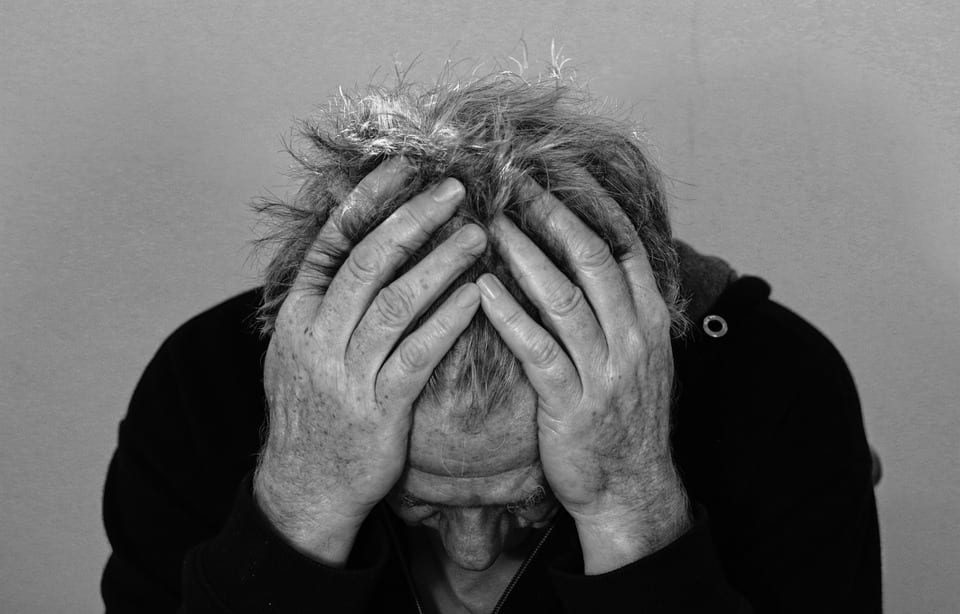
Depression remains one of the most pressing mental health challenges globally, affecting millions of people across all age groups. Clinically known as Depression, the condition goes beyond temporary sadness, often interfering with daily life, relationships, and overall well-being.
Health experts emphasize that while depression can be overwhelming, recovery is possible with the right combination of support, treatment, and lifestyle adjustments.
Understanding Depression
Depression is characterized by persistent feelings of sadness, loss of interest in activities, low energy, and difficulty concentrating. In more severe cases, it may lead to changes in sleep, appetite, and thoughts of self-harm.
Experts note that depression can result from a combination of biological, psychological, and environmental factors, making each individual’s experience unique.

Recognizing the Need for Help
One of the most important steps toward recovery is acknowledging the condition and seeking help early. Many individuals delay treatment due to stigma or lack of awareness, which can worsen symptoms over time.
Warning signs that require attention include:
-
Persistent low mood lasting weeks
-
Loss of interest in daily activities
-
Fatigue and low energy
-
Difficulty sleeping or oversleeping
-
Feelings of hopelessness or worthlessness
Professional Treatment Options
Mental health specialists recommend evidence-based treatments tailored to individual needs.
Psychotherapy: Talking therapies, such as cognitive behavioral therapy (CBT), help individuals identify negative thought patterns and develop healthier coping strategies.
Medication: Antidepressant medications may be prescribed to help regulate brain chemistry and improve mood.
Combined Approach: In many cases, a combination of therapy and medication offers the most effective results.
Lifestyle Changes That Support Recovery
In addition to medical treatment, lifestyle adjustments play a crucial role in managing depression:
-
Regular Exercise: Physical activity releases endorphins, which can improve mood and reduce stress
-
Healthy Diet: Balanced nutrition supports brain function and overall health
-
Adequate Sleep: Maintaining a consistent sleep routine helps regulate mood
-
Stress Management: Techniques such as meditation, deep breathing, and relaxation exercises can reduce emotional strain
The Role of Social Support
Strong social connections are vital in overcoming depression. Support from family, friends, or support groups can provide encouragement and reduce feelings of isolation.
Experts encourage individuals to stay connected, even when it feels difficult, as isolation can worsen symptoms.
Building Daily Structure
Establishing a routine can help restore a sense of control and purpose. Simple actions such as setting small daily goals, maintaining personal hygiene, and engaging in meaningful activities can gradually improve mental health.
When Immediate Help Is Needed
Severe depression may involve thoughts of self-harm or suicide, which require urgent attention. Health professionals stress that immediate support from medical services or trusted individuals is critical in such situations.
Breaking the Stigma
Despite increased awareness, stigma surrounding mental health continues to prevent many from seeking help. Experts call for continued education and open conversations to normalize mental health care and encourage early intervention.
Conclusion
Depression is a serious but treatable condition. With timely intervention, professional support, and positive lifestyle changes, individuals can regain control of their lives and improve their mental well-being.
Health experts continue to stress that seeking help is not a sign of weakness, but a crucial step toward recovery and long-term resilience.