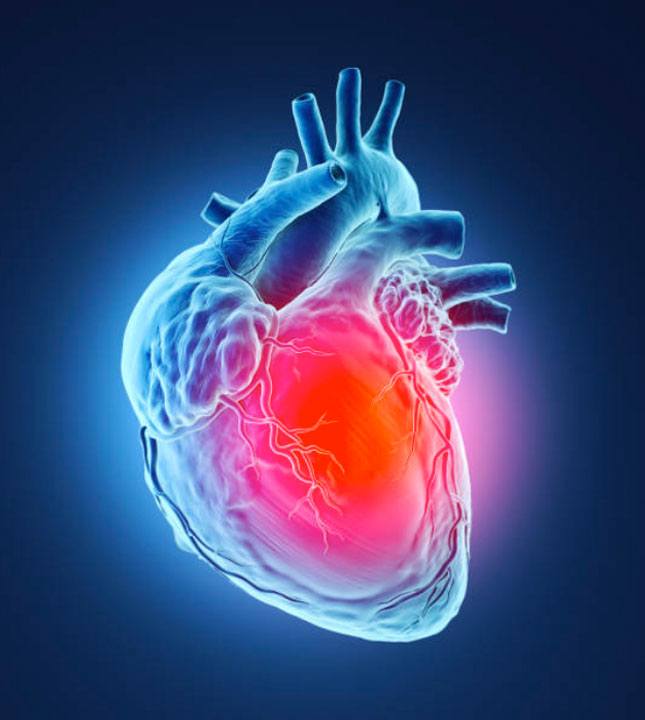
Routine breast cancer screenings may offer more insight than previously thought, with emerging research suggesting that mammograms could also help identify early signs of cardiovascular risk. The findings point to a potential dual benefit of mammography, expanding its role beyond cancer detection to include screening for Heart disease.
A New Use for a Familiar Test
Mammograms are widely used to detect early signs of Breast cancer, particularly in women over the age of 40. However, recent studies indicate that these routine scans may also reveal calcium deposits in breast arteries \an indicator that has been linked to an increased risk of heart disease.
These deposits, known as breast arterial calcifications, are often visible on mammogram images but have traditionally been overlooked, as they are not related to cancer.
Understanding the Link
Calcium buildup in arteries is a well-established marker of atherosclerosis, a condition in which arteries become narrowed and hardened. When such calcifications appear in breast tissue, researchers believe they may reflect similar processes occurring in other parts of the body, including the coronary arteries.

This connection suggests that women with these findings on a mammogram may face a higher likelihood of developing cardiovascular complications in the future.
Implications for Early Detection
The ability to detect potential heart disease risk during routine mammography could be a significant advancement in preventive healthcare. Since many women already undergo regular screening, identifying cardiovascular warning signs at the same time could allow for earlier intervention.
Health professionals note that this approach may be particularly valuable for women who do not show obvious symptoms of heart disease but may still be at risk.
A Complement, Not a Replacement
Experts emphasize that while mammograms may provide useful clues, they are not a substitute for dedicated cardiovascular screening. Instead, they should be viewed as an additional tool that can prompt further evaluation.
Women with detected arterial calcifications may be advised to undergo more comprehensive heart health assessments, including blood pressure monitoring, cholesterol testing, and lifestyle evaluation.
The Growing Burden of Heart Disease
Heart disease remains one of the leading causes of death among women globally. Despite this, awareness of cardiovascular risk in women is often lower compared to other conditions.
The integration of heart risk indicators into routine screenings like mammograms could help bridge this gap and improve early detection rates.
Moving Toward Integrated Screening
The study’s findings highlight the potential for a more integrated approach to women’s health, where a single diagnostic test can provide insights into multiple conditions.
Researchers are calling for increased awareness among healthcare providers to ensure that these findings are noted and appropriately followed up.
Conclusion
The discovery that routine mammograms may help predict heart disease risk marks an important step in preventive medicine. By identifying hidden warning signs during standard screenings, healthcare providers may be better equipped to detect and manage cardiovascular risk earlier.
As research continues, this approach could play a vital role in reducing the burden of heart disease and improving long-term health outcomes for women.