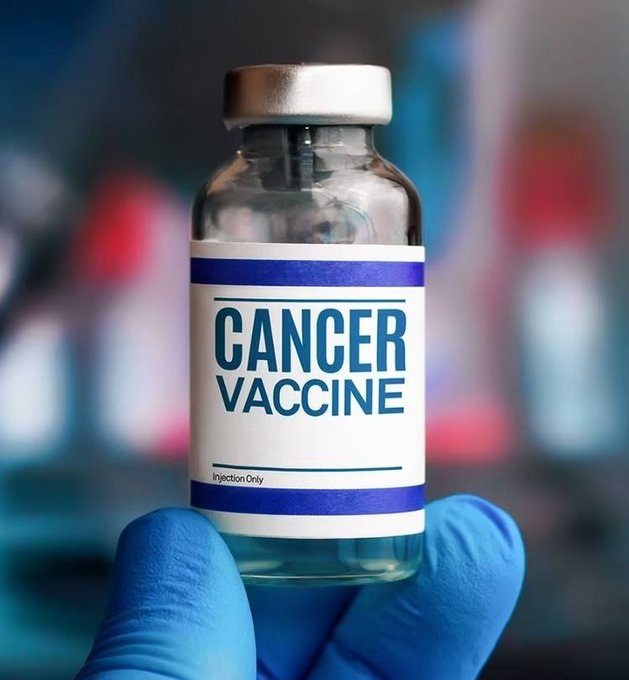
Russia’s Gamaleya Center, famously know for its Sputnik V COVID-19 vaccine, is now tackling cancer.
In more advance root, the institute has announced that human clinical trials for a personalized mRNA melanoma vaccine will begin in September or October 2025.
The vaccine uses artificial intelligence to create a treatment tailored to each patient’s unique tumor genetics. The goal is to help the immune system identify and destroy cancer cells more effectively.
According to Gamaleya, pre-clinical trials have already shown promising results. The experimental vaccine reportedly reduced tumor growth and blocked the spread of cancer in animal models.
The human trials will take place at two top Moscow centers the Hertsen Research Institute and the N.N. Blokhin National Medical Research Center.

The Russian Ministry of Health plans to offer the vaccine free of charge to all Russian citizens once approved.
Each dose will cost around 300,000 rubles, or about $2,869, but the government will fully cover this cost.
Despite the excitement, some scientists are skeptical. So far, no clinical trial data has been published.
In addition, the official name, dosage plan, and long-term effectiveness of the vaccine remain unknown.
For now, the vaccine is confirmed only for melanoma. It’s unclear if it will work against other types of cancer.
Still, this marks a bold step for Russia in the race to develop personalized cancer treatments using mRNA technology.
Other major players, like Moderna and BioNTech, are also working on similar cancer vaccines.
If Gamaleya’s vaccine succeeds in trials, it could become a major breakthrough in cancer therapy.
It may also boost Russia’s status in global medical research.
However, experts stress the need for transparent data and peer-reviewed results before making strong conclusions.
For now, the world will be watching closely as Russia enters the next phase of its medical innovation journey.
Melanoma is the most dangerous form of skin cancer. It develops when pigment-producing cells, called melanocytes, grow uncontrollably.
If untreated, melanoma spreads fast and can damage internal organs. Early detection boosts survival rates.