


tech-south-africa-whatsapp-voter-registration
South Africa Launches WhatsApp Voter Registration
The Independent Electoral Commission has successfully launched a WhatsApp voter registration system, sparking debates on whether Nigeria can adopt this fast digital tool.
South Africa introduces a new WhatsApp voter registration system. Consequently, experts wonder if Nigeria can adopt this digital tool.

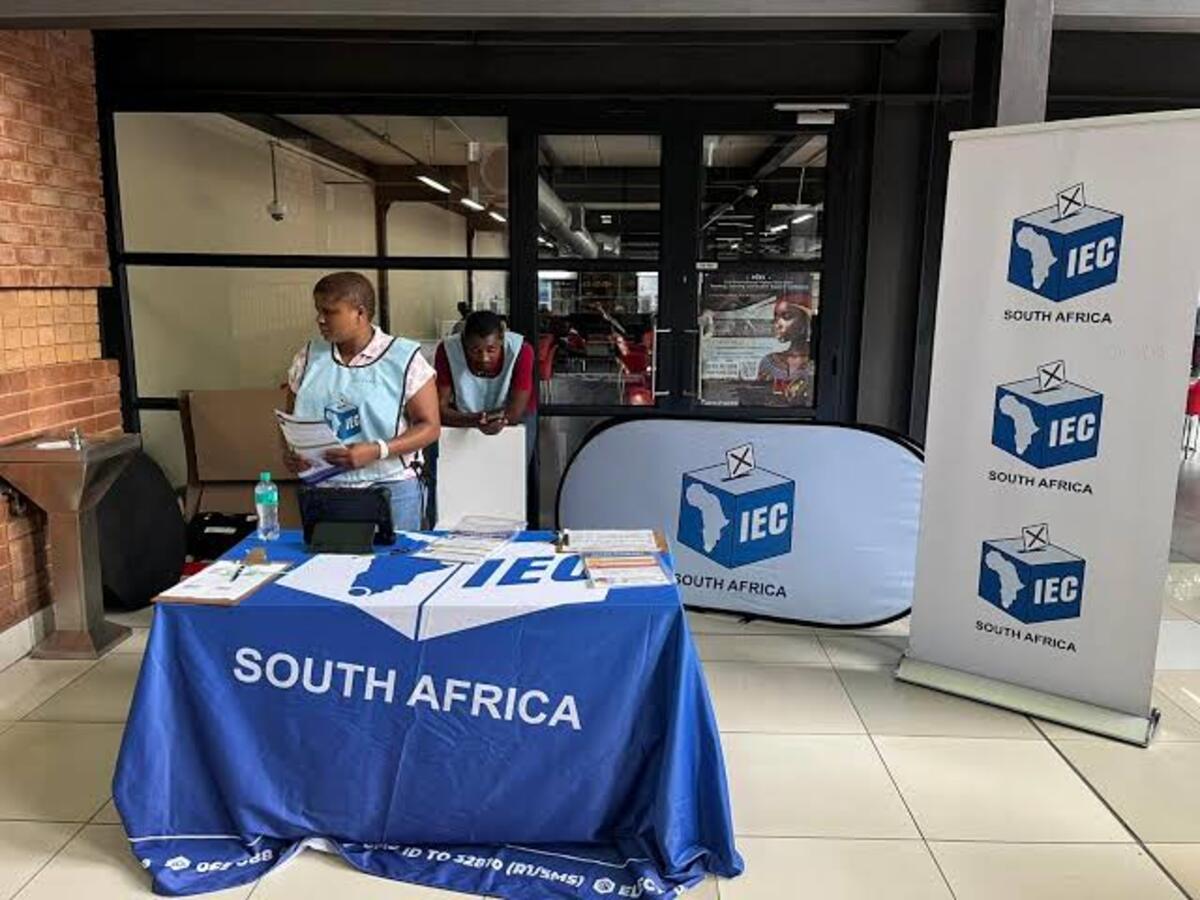
Specifically, South Africa recently launched a WhatsApp voter registration system. Indeed, the Independent Electoral Commission introduced this tool in August. Consequently, young citizens can now register to vote using phones. Therefore, this clever move brings the ballot box to everyone.
South Africa Adopts WhatsApp Voter Registration
Furthermore, the chat service works very easily for normal users. For example, a person just sends a simple text message. Subsequently, the automated system asks for their identity card details. Additionally, the platform uses secure steps to check user facts.
Simultaneously, the digital push targets the younger voting population today. In fact, many youths already spend much time on WhatsApp. Therefore, election bosses hope this step will boost overall turnout. Specifically, nearly half a million youths used the new platform.
Ultimately, the country wants to make voting access very simple. Indeed, traditional voting registration takes a lot of free time. Consequently, many busy workers often skip the vital civic process. As a result, the new mobile chat system solves this.
The Digital Verification Process
Meanwhile, the government added strong safety checks to stop fraud. For example, users must upload a picture of their identity. Consequently, the system also checks their home address very closely. Indeed, users get a special code to finish the process.
Additionally, officials refuse to skip these important security rules today. Specifically, chief executive Sy Mamabolo insists these checks remain vital. As a result, this SAnews digital report shows high data safety. Furthermore, citizens can even find their voting stations through text.
Subsequently, the online system links with the national population database. In fact, this smart link stops people from voting twice. Therefore, political groups feel much better about the election results. Indeed, accurate records help to build trust in the government.
Can Nigeria Copy This Move?
Consequently, this new system sparks big debates across Nigeria today. Specifically, the Independent National Electoral Commission faces many big problems. For instance, hardware issues often slow down the voting process. Therefore, citizens want a much better and faster digital option.
However, rights groups want election bosses to improve the system. Indeed, Lokoja polling units witness low voter turnout during past polls. As a result, experts suggest that mobile apps could help. Meanwhile, Nigeria must first fix its data and network issues.
In contrast, Nigerian authorities still rely heavily on paper records. Specifically, workers use slow machines to scan fingerprints of voters. Consequently, bad weather or lost power stops the whole process. Therefore, a mobile app could save the country much stress.
Furthermore, the massive population makes physical registration very hard today. Indeed, millions of people stand in long lines for hours. As a result, many young Nigerians just walk away angry. Specifically, an online chat tool would keep these voters engaged.
Future Of African Elections
Essentially, tech tools will change how African countries run elections. Indeed, South Africa’s IEC sets a very strong regional standard. Specifically, mobile apps make civic duties much easier for everyone. Therefore, other nations might start to test similar chat features.
Additionally, digital voting tech grows cheaper every single new year. For example, open software helps poor nations save their money. Consequently, even small countries can now afford safe election tools. Indeed, international groups offer cash to help with this switch.
Ultimately, fair polls depend on clear and very open systems. Specifically, young leaders demand more control over their own future. Therefore, governments must give them the tools to speak up. In fact, blocking technology only hurts the ruling party later.
To conclude, the success in South Africa shows great promise. Consequently, election groups must learn from this big tech move. In fact, registering via WhatsApp saves both time and public money. Ultimately, simple ideas can fix very old voting system problems.




