(DDM) – European authorities have raised fresh alarms as dangerous weather threatens popular holiday destinations in Spain and Portugal.
Officials issued red alerts after forecasts predicted extreme rainfall, flooding, and damaging winds across parts of the Iberian Peninsula.
The warnings arrived as thousands of tourists prepared half-term trips to coastal cities and resort towns.
Britain’s Foreign Office urged its citizens to monitor updates and follow instructions from local authorities.
The advisory stressed that storms could disrupt flights, road travel, and public services across affected regions.

Meteorological agencies in both countries reported that the approaching system carries unusual intensity for the season.
Forecasters linked the storm to a series of low-pressure systems that have hit southern Europe this year.
Weather experts named the latest system Storm Leonardo, marking another severe episode in 2026’s turbulent weather pattern.
Spanish forecasters warned that rainfall in some provinces could reach dangerous accumulation levels within hours.
Authorities predicted that certain inland areas could record rainfall totals rarely seen in winter months.
Regional governments in southern Spain ordered precautionary school closures to protect children and staff.
Local officials said closures reduce travel risks and prevent families from moving during peak storm hours.
Emergency teams prepared rescue equipment and reinforced flood response units in vulnerable communities.
Portuguese officials also activated alerts after earlier storms caused fatalities and property damage.
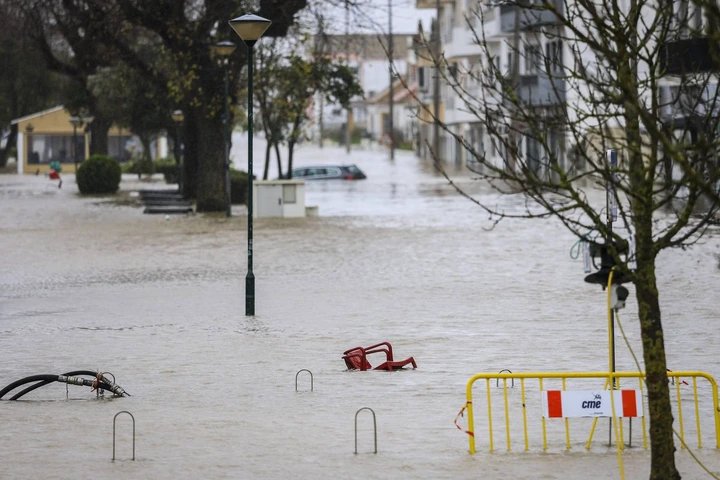
Recent flooding in Portugal left visible destruction in towns where streets turned into fast-moving waterways.
Climate specialists say warmer oceans can intensify storms by feeding them additional moisture and energy.
Environmental observers note that southern Europe has faced more erratic weather in recent years.
Tourism forms a major pillar of the Spanish and Portuguese economies, especially in coastal regions.
Severe weather during peak travel periods can therefore hurt local businesses and national revenue.
Airlines and airport operators reviewed contingency plans as travelers awaited possible schedule changes.
Travel insurers reminded customers to check policies covering natural disasters and trip interruptions.
The Foreign Office cautioned that damaged infrastructure could delay emergency assistance to stranded visitors.
Officials warned that power outages and communication failures sometimes follow major storms.
Local governments encouraged residents to clear drainage paths and secure loose outdoor objects.
Safety agencies advised people to avoid floodwaters because currents can hide dangerous debris.
Health services also prepared for potential injuries linked to slips, accidents, or storm debris.
Some travelers reconsidered plans after seeing images of flooded streets circulating on social media.
Others chose to continue trips while promising to follow official safety guidance.
Meteorologists expect the storm pattern to persist for several days before gradual improvement.
Experts say early warnings help reduce casualties when people take them seriously.
Analysts argue that extreme weather now tests how prepared tourist regions remain under pressure.
Observers add that governments must balance tourism promotion with realistic safety messaging.
Community leaders emphasized that protecting lives outweighs short-term economic concerns.
The unfolding situation highlights how climate variability increasingly shapes global travel decisions.
Officials continue to monitor conditions while urging calm and responsible behavior from residents and visitors.