



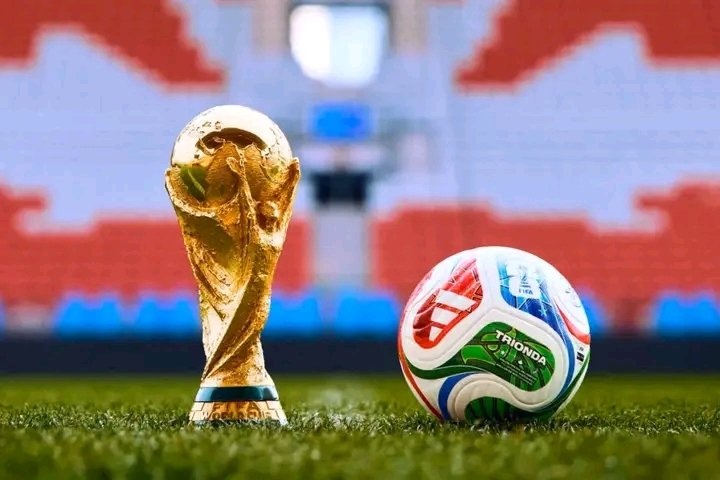
The conclusion of the 2026 FIFA World Cup has already shifted global attention toward the road to the 2030 tournament, with several football nations beginning preparations to reclaim their place on the world’s biggest stage. While some countries celebrated memorable campaigns in 2026, others watched from home after failing to qualify, fueling fresh determination to return stronger in four years.
Qualification for the FIFA World Cup has become increasingly competitive as football continues to grow across every continent. Traditional powerhouses now face stronger opposition from emerging nations, making every qualifying campaign more challenging than ever.
Here are ten countries expected to push hard for a return to the 2030 FIFA World Cup.

Italy
Four time world champions Italy remain one of football’s most decorated nations, yet recent years have been marked by disappointment. Missing consecutive World Cups before returning to major tournaments exposed the need for renewal within the national team. With a new generation of talented players emerging in Serie A and across Europe, the Azzurri will be determined to reestablish themselves among football’s elite.
Nigeria
Nigeria remains one of Africa’s football giants despite recent qualification setbacks. The Super Eagles possess an exciting blend of experienced internationals and young stars competing in Europe’s top leagues. Supporters expect the team to challenge strongly for one of Africa’s qualification spots as preparations for the 2030 tournament gather momentum.
Sweden
Sweden has produced several memorable World Cup performances over the decades but has struggled to maintain consistency in recent qualification campaigns. The Scandinavian nation is investing heavily in youth development, with promising talents expected to lead a fresh era for the national team.
Chile
Chile’s golden generation brought unprecedented success through Copa América triumphs, but the team has struggled to replicate that form in recent years. As experienced players gradually make way for younger talents, the South American nation hopes to build a competitive squad capable of returning to football’s biggest competition.
Egypt
Led by a passionate football culture and a growing pool of talented players, Egypt remains eager to secure another World Cup appearance. The Pharaohs continue to strengthen their squad with emerging stars who could help restore the country’s standing on the international stage.
Russia
Following years away from international competition, Russia will hope circumstances allow a return to global football events. If eligible to compete in future FIFA competitions, the nation would undoubtedly aim to rebuild its national team and pursue qualification for the 2030 World Cup.
China
China continues its long term ambition of becoming a major football nation. Significant investment in youth academies, coaching development and domestic football reflects the country’s desire to qualify consistently for the World Cup. A successful qualification campaign in 2030 would represent a major milestone in that journey.
Jamaica
The Reggae Boyz have shown encouraging progress in recent years and continue to produce talented players competing in Europe and North America. With football development improving across the Caribbean, Jamaica will believe it has a realistic opportunity to qualify once again.
Ireland
The Republic of Ireland has a proud football tradition but has found qualification increasingly difficult in recent tournaments. With several promising young players emerging through domestic clubs and European academies, hopes remain high that Ireland can return to the World Cup stage.
Cameroon
One of Africa’s most successful football nations, Cameroon has consistently produced world class players and memorable World Cup moments. The Indomitable Lions will be eager to maintain their reputation by securing qualification for 2030 and continuing their proud legacy in international football.
The Race Is Already Underway
Although the next FIFA World Cup is still several years away, planning has already begun across national football associations. Coaching appointments, youth development programmes, infrastructure improvements and player scouting are becoming central to long term qualification strategies.
The expanded FIFA World Cup format has also created new opportunities for countries that previously struggled to qualify. With more places available across each confederation, several nations believe they now have a stronger chance of reaching football’s biggest tournament.
For established football powers, returning to the World Cup is about restoring national pride and competing for the sport’s ultimate prize. For emerging nations, qualification represents an opportunity to inspire future generations and showcase their progress on the global stage.
As qualifying campaigns approach, fans around the world can expect fierce competition, dramatic matches and inspiring stories as countries battle for a coveted place at the 2030 FIFA World Cup.




