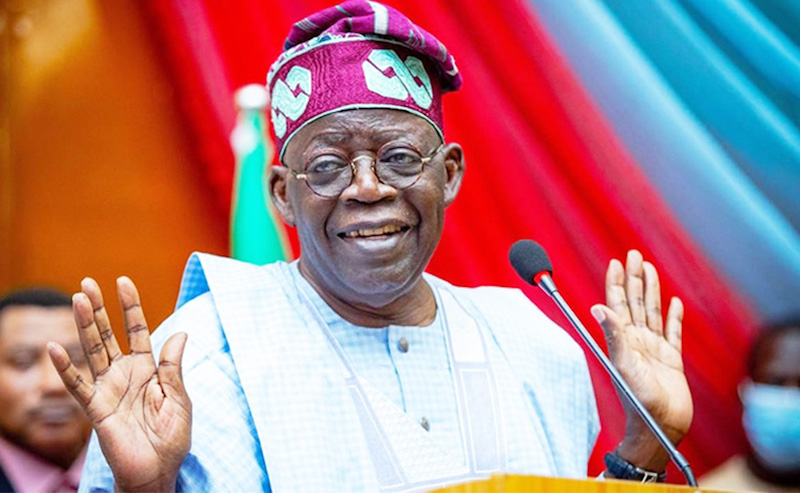
The Speaker of the House of Representatives, Tajudeen Abbas, has acknowledged the economic hardship facing Nigerians, describing President Bola Tinubu’s ongoing economic reforms as difficult but necessary to address longstanding weaknesses in the country’s economy.
Abbas, however, urged the Federal Government to ensure that the gains from the reforms translate into noticeable improvements in the lives of ordinary Nigerians.
He spoke on Monday during a panel session titled “Misinformation and Social Cohesion: Rebuilding Trust through Responsible Public Relations” at the Global Alliance World Public Relations Forum in Abuja.
The Speaker was represented at the event by the House Majority Leader, Prof. Julius Ihonvbere.
Abbas said the economic difficulties confronting households and businesses were real and required serious attention. He noted that the challenges should also be considered within the context of global economic pressures and Nigeria’s longstanding structural problems.
“The reforms being pursued by the administration of President Bola Tinubu are aimed at addressing some of these weaknesses, restoring economic stability, and laying the foundation for sustainable growth,” he said.
“These reforms are neither easy nor without immediate costs. The challenge before government is to ensure that their benefits translate into tangible improvements in the lives of ordinary Nigerians.”
Tinubu announced the removal of the petrol subsidy during his inauguration on May 29, 2023. His administration later harmonised and floated the foreign exchange market, leading to major adjustments in petrol prices and exchange rates, with significant effects on the cost of living and business operations.
On security, Abbas said the government must take sustained and decisive action to tackle the country’s challenges, strengthen security institutions and ensure accountability.
“Our security challenges equally demand decisive and sustained action. Every innocent life lost today is a tragedy that calls for justice and accountability,” he said.
He added that the country must remain committed to confronting those responsible for insecurity and protecting Nigerians regardless of their religion, ethnicity or place of origin.
The Speaker also highlighted the National Assembly’s responsibility to strengthen democratic institutions, promote accountability and address national development challenges.
He said the House of Representatives, with its 360 members, had a duty to ensure that the concerns of Nigerians were reflected in national policies and decisions.
Abbas listed the House’s eight-point legislative agenda as covering good governance, national security, economic growth and development, education, healthcare, social inclusion, institutional strengthening and an open Parliament.
He also identified the proposed establishment of state police and the Reserved Seats for Women Bill as some of the legislative and constitutional initiatives being pursued by the House.
Earlier, the Chairman of the Senate Committee on Capital Market, Senator Osita Isiguzo, called for the regulation of artificial intelligence, warning that its misuse could pose serious risks to society.
Isiguzo acknowledged the opportunities offered by AI but expressed concern about its ability to produce convincing images and manipulated content that could undermine public trust in information.
He argued that governments and lawmakers should establish regulatory measures before the technology’s potential dangers become more difficult to control.
“AI is good, but it has to be regulated before the goodness of AI becomes the calamity of the world,” he said.
Also speaking, the President and Chief Executive Officer of the Global Alliance for Public Relations and Communication Management, Prof. Justin Green, highlighted the growing representation of Africa in the organisation’s leadership.