


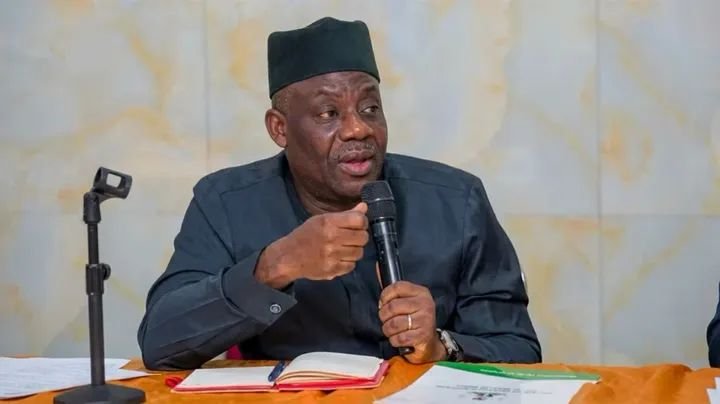
ABUJA, Nigeria — Minister of Education, Dr. Tunji Alausa, has expressed confidence that the reforms introduced by President Bola Tinubu’s administration are beginning to produce measurable results, saying the impact of the policies will significantly influence the outcome of the 2027 general elections.
Speaking on the performance of the current administration, Alausa said the government remains committed to implementing reforms aimed at repositioning Nigeria’s economy, improving governance and creating opportunities for sustainable national development. According to him, while many of the reforms required difficult decisions, they were necessary to address longstanding structural problems that had slowed the country’s growth for years.
The minister noted that although Nigerians have experienced short-term economic challenges arising from some of the government’s policies, signs of recovery are becoming increasingly evident. He said ongoing efforts to stabilize the economy, strengthen public finances and improve investor confidence are gradually yielding positive outcomes that will become more visible over time.
Alausa argued that President Tinubu’s administration inherited deep-rooted economic and institutional challenges that could not be resolved through temporary measures. He maintained that the government’s reform agenda is designed to produce long-term benefits by promoting fiscal sustainability, encouraging private sector investment, expanding infrastructure and improving service delivery across critical sectors.

The minister also highlighted developments in the education sector, describing education as one of the key pillars of the administration’s Renewed Hope Agenda. He said the federal government is investing in educational infrastructure, expanding access to quality learning, strengthening technical and vocational education, improving teacher development and promoting research and innovation to prepare Nigerian youths for future opportunities.
According to Alausa, the administration is also pursuing policies aimed at creating employment opportunities, supporting entrepreneurship and building the human capital needed to drive economic transformation. He stressed that investments in education, technology and skills acquisition will play a vital role in enhancing Nigeria’s global competitiveness and reducing unemployment among young people.
On the political implications of the reforms, the minister said Nigerians would ultimately assess the Tinubu administration based on its achievements rather than political rhetoric. He expressed confidence that by the time the country approaches the 2027 general elections, many of the current reforms would have translated into tangible improvements in the lives of citizens, strengthening public support for the administration.
Alausa further stated that democratic elections should be driven by performance, accountability and the ability of leaders to deliver on their promises. He argued that the ongoing reforms demonstrate the government’s willingness to make difficult but necessary decisions in pursuit of long-term national development instead of adopting policies designed solely for short-term political popularity.
The minister called on Nigerians to remain patient and continue supporting the government’s reform agenda, emphasizing that meaningful economic transformation requires time, consistency and sustained implementation. He noted that many successful economies around the world achieved lasting growth by maintaining difficult reforms despite initial public resistance.
He also urged political stakeholders to contribute constructively to national development by presenting alternative policy ideas rather than engaging in divisive politics. According to him, healthy democratic competition should focus on offering practical solutions to the country’s economic and social challenges while promoting unity and national progress.
Alausa’s remarks come as political activities ahead of the 2027 general elections continue to intensify, with supporters of the Tinubu administration pointing to ongoing economic and institutional reforms as evidence of progress. At the same time, opposition parties have continued to question the government’s handling of inflation, insecurity, unemployment and the rising cost of living, making economic performance one of the central issues likely to shape the next presidential election.




