


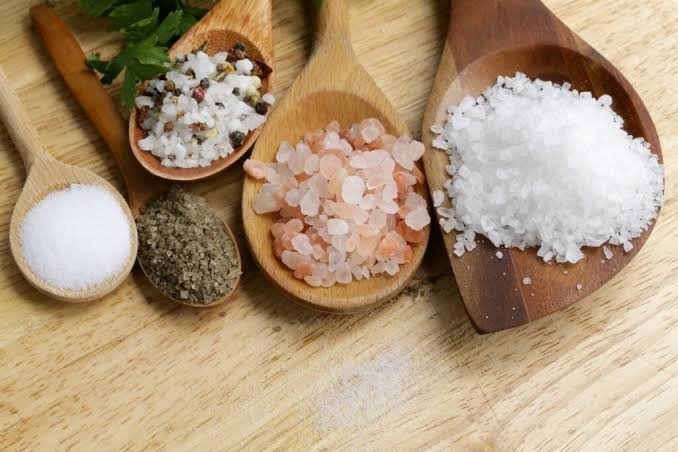
Salt is an essential part of the diet, helping the body maintain fluid balance and support normal nerve and muscle function. However, consuming too much salt can have serious health consequences.
Health experts warn that most people consume more sodium than their bodies need, largely because of processed and packaged foods. Over time, excessive salt intake can increase the risk of several chronic diseases.
Raises Blood Pressure
One of the most well-known effects of excessive salt consumption is high blood pressure. Sodium causes the body to retain more water, increasing the volume of blood flowing through blood vessels. This places extra pressure on artery walls and forces the heart to work harder.
High blood pressure is a major risk factor for heart disease, stroke, and kidney disease.

Increases the Risk of Heart Disease
Consistently consuming too much salt may contribute to heart disease by increasing blood pressure and damaging blood vessels over time. Reducing sodium intake is an important step in protecting cardiovascular health.
Strains the Kidneys
The kidneys help regulate sodium levels in the body. Excess salt makes the kidneys work harder to remove the extra sodium, increasing the risk of kidney damage, especially in people with high blood pressure or diabetes.
Causes Water Retention
Eating salty foods can cause the body to hold on to excess fluid, leading to swelling in the hands, feet, ankles, or face. Some people may also feel bloated after consuming meals high in sodium.
May Increase the Risk of Stomach Problems
Research suggests that diets high in salt may be associated with an increased risk of stomach irritation and, in some cases, stomach cancer. More research is ongoing, but limiting excessive salt intake is widely recommended for overall health.
Weakens Bone Health
Excess sodium may increase the amount of calcium lost through urine. Over time, this could contribute to reduced bone density, particularly in older adults who are already at risk of osteoporosis.
Hidden Sources of Salt
Many people think the salt shaker is the biggest source of sodium, but processed foods often contain much larger amounts. Common high-sodium foods include:
- Instant noodles
- Processed meats such as sausages and bacon
- Canned soups
- Fast food
- Packaged snacks
- Seasoning cubes and seasoning powders
- Some breads and breakfast cereals
Reading nutrition labels can help identify foods that are high in sodium.
How to Reduce Salt Intake
Health experts recommend several simple strategies:
- Choose fresh foods instead of highly processed products.
- Taste food before adding extra salt.
- Use herbs, spices, garlic, ginger, or lemon juice to add flavour.
- Limit processed meats and salty snacks.
- Read food labels and choose lower-sodium options whenever possible.
The Bottom Line
Although the body needs some sodium to function properly, consuming too much salt can increase the risk of high blood pressure, heart disease, kidney problems, and other health conditions. Making small changes to reduce sodium intake can have significant long-term health benefits.
Disclaimer: This article is for informational purposes only and should not replace professional medical advice. Individuals with high blood pressure, kidney disease, or other health conditions should consult a qualified healthcare professional for personalised dietary advice.




