


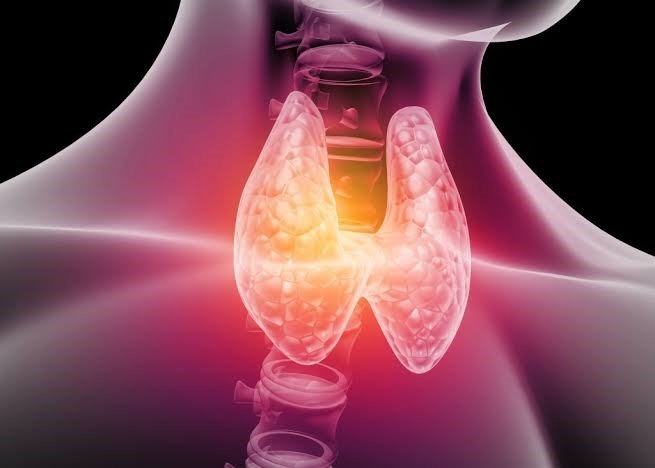
The thyroid is a small, butterfly-shaped gland located at the front of the neck, but it plays a major role in regulating the body’s metabolism, energy production, heart rate, and body temperature. When the thyroid produces too much or too little hormone, it can affect nearly every organ in the body.
Health experts say thyroid disorders often develop gradually, causing symptoms that are easily mistaken for stress, aging, or other health conditions. Recognising the early warning signs can help ensure timely diagnosis and treatment.
1. Unexplained Weight Changes
Sudden weight gain without changes in diet or exercise may be linked to an underactive thyroid (hypothyroidism), while unexplained weight loss may occur with an overactive thyroid (hyperthyroidism).
2. Persistent Fatigue
Feeling tired even after getting enough sleep is one of the most common symptoms of thyroid disorders. An underactive thyroid slows the body’s metabolism, leading to low energy levels.

3. Changes in Heart Rate
An overactive thyroid may cause a rapid or irregular heartbeat, while an underactive thyroid can slow the heart rate.
4. Feeling Too Cold or Too Hot
People with hypothyroidism often feel unusually sensitive to cold temperatures, whereas those with hyperthyroidism may experience excessive sweating or heat intolerance.
5. Dry Skin and Hair Changes
Dry, rough skin, brittle nails, or thinning hair can occur when thyroid hormone levels are too low. Hair loss may also be seen in some people with an overactive thyroid.
6. Swelling in the Neck
A visible lump or swelling at the front of the neck may indicate an enlarged thyroid gland, also known as a goitre. Although not all goitres are serious, they should be assessed by a healthcare professional.
7. Mood Changes
Thyroid disorders can affect mental health. An underactive thyroid may contribute to depression, slowed thinking, and difficulty concentrating, while an overactive thyroid may lead to anxiety, irritability, or nervousness.
8. Muscle Weakness and Joint Pain
Persistent muscle weakness, cramps, stiffness, or joint pain may be linked to thyroid hormone imbalance, particularly if other symptoms are also present.
9. Changes in Bowel Habits
Constipation is commonly associated with an underactive thyroid, while frequent bowel movements or diarrhoea may occur in people with an overactive thyroid.
10. Irregular Menstrual Cycles
In women, thyroid disorders can affect hormone balance, leading to heavier, lighter, or irregular menstrual periods. They may also affect fertility in some cases.
Who Is at Higher Risk?
Certain factors increase the likelihood of developing thyroid disorders, including:
- A family history of thyroid disease.
- Being female.
- Autoimmune diseases.
- Increasing age.
- Previous thyroid surgery or radiation treatment.
When to See a Doctor
Anyone experiencing several of these symptoms for an extended period should consult a healthcare professional. Thyroid disorders can usually be diagnosed with a physical examination and simple blood tests that measure thyroid hormone levels.
The Bottom Line
Thyroid disorders are common and often treatable when detected early. Paying attention to persistent symptoms such as unexplained weight changes, fatigue, mood changes, or neck swelling can help lead to earlier diagnosis and more effective treatment.
Disclaimer: This article is for informational purposes only and should not replace professional medical advice. If you suspect you may have a thyroid disorder, consult a qualified healthcare professional for proper evaluation and treatment.




